Your First Week Blueprint: A Calm Start to a Strong Year
If you’re like most teachers, June brings a small sigh of relief and then a quick scroll through Pinterest looking for first week lesson ideas. That first week of school carries a lot of weight. It sets the tone, lays the groundwork for behavior and learning, and helps students feel safe, seen, and excited to come back the next day.

Planning your first five days intentionally can mean the difference between a smooth year and constant chaos. The good news? You don’t need to reinvent the wheel. You just need a plan rooted in structure, community, and awareness.
Let’s break down why consistency matters, how to balance procedures with fun, and what to actually do in those first five days of school.
Why the First Week Matters: Consistency + Structure
The most important thing to remember during the first week: kids are learning how to do school. Even if they’ve been in a classroom before, new grade levels, teachers, classmates, and expectations can be overwhelming.
That’s why your top priority isn’t delivering content—it’s building routines and structure.
Students need to know:
- What happens when they walk in the door
- How to get materials and clean up
- Where to sit, how to ask for help, and what your signals mean
- What behavior is expected and how it will be supported
These things need to be taught, modeled, practiced, and practiced again.
The more consistent your routines and tone are from day one, the safer your students feel. And when kids feel safe, they’re more likely to take risks, try new things, and follow your lead.
Community-Building Activities
Teaching rules and routines doesn’t have to feel like boot camp. The key is to weave expectations into fun and engaging activities so students stay curious and connected.
Here are a few ways to mix structure and joy:
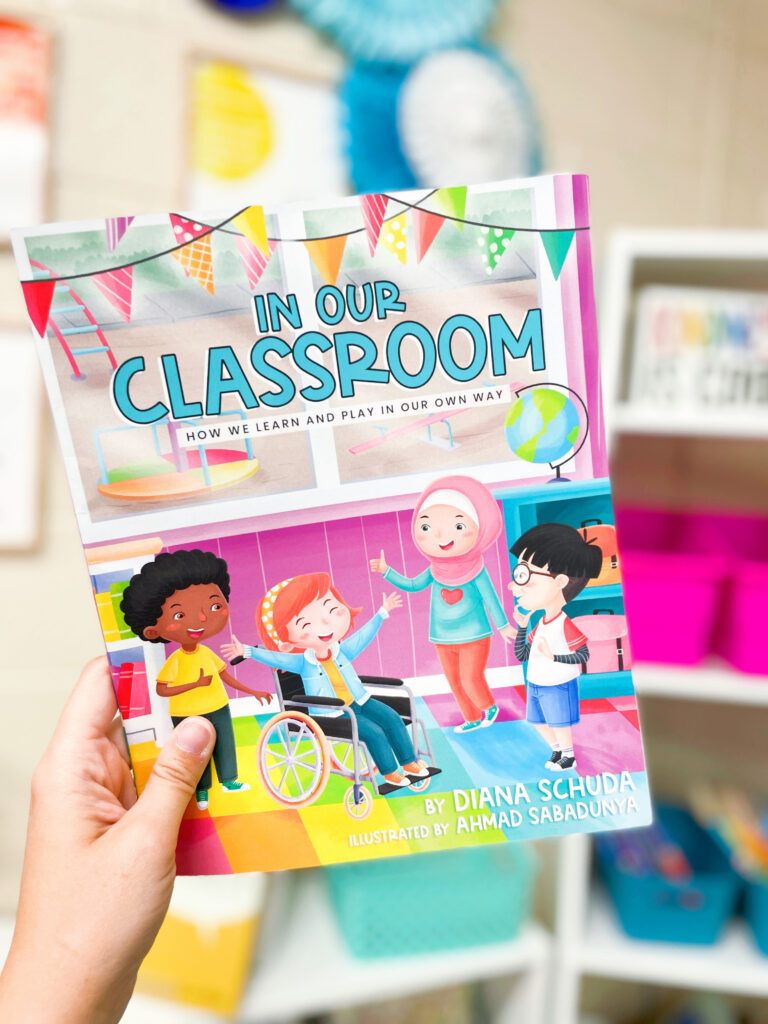
- Read-alouds that spark discussion about kindness, boundaries, and emotions (First Day Jitters, In Our Classroom, or The Recess Queen are great picks)
- Partner and group games that build collaboration (like “Find a Friend Bingo” or “Would You Rather” movement games)
- Shared art or class books where students introduce themselves and contribute to a group project
- Interactive modeling where students get to act out the wrong and right way to line up, use supplies, etc.—they love this and it makes the learning stick!
Each day should include both teaching expectations and building relationships. You don’t need to choose between the two—you need both for a strong foundation.
Sample First Week Lesson Ideas: Daily Blueprint
Here’s a simple five-day outline to help you visualize how to structure your week with intention, using first week lesson ideas that blend routines, literacy, math, and fun. Each day builds on the last, gradually helping students feel safe, confident, and part of a community.
Day 1: Introductions + Routines
The goal today is to make students feel welcome, safe, and excited to return. Start slow, focus on relationships, and gently introduce the structure they’ll come to rely on.
- Greet students individually and teach the arrival routine
- Read First Day Jitters and talk about feelings
- Tour the classroom with a scavenger hunt
- Teach lining up, bathroom procedures, snack expectations
- Simple name game or partner share
- Practice cleanup and dismissal
Day 2: Building Connections
Now that students have dipped their toes in, it’s time to build community. Today focuses on friendships, collaboration, and reviewing the routines they learned yesterday.
- Morning meeting: sharing about ourselves
- Read In Our Classroom and create a class values chart. Talk about inclusion and diversity.
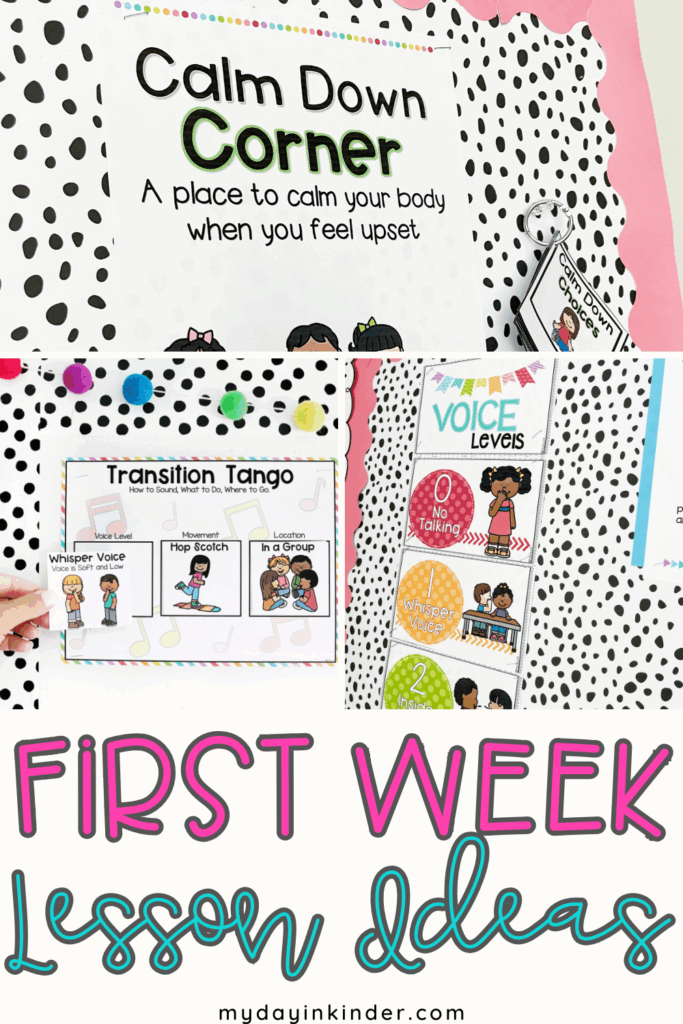
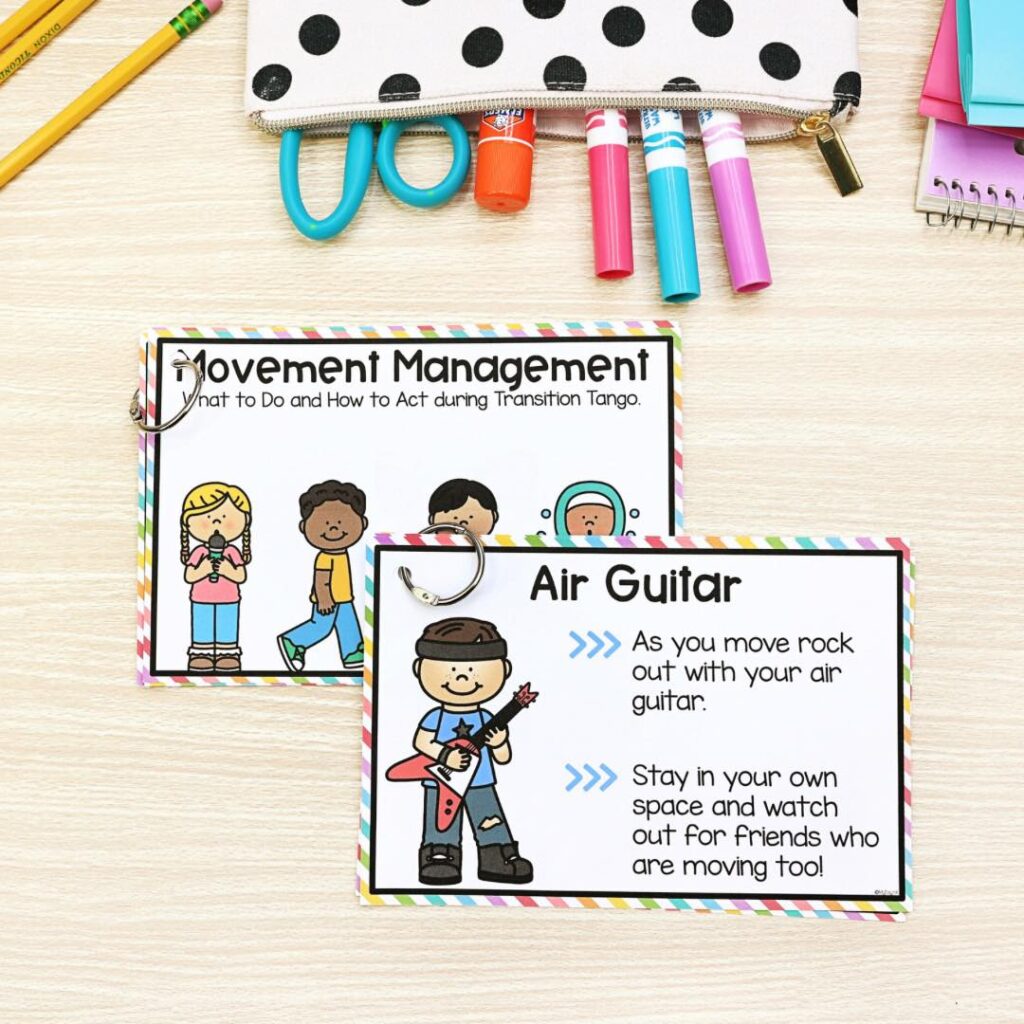
- Teach transitions: carpet to desk, getting supplies, voice levels
- Play a partner game like “Friendship BINGO”
- Review expectations for group work and practice with a team task (like a STEM tower or art collaboration)
Day 3: Getting Into a Flow
By Day 3, you can begin introducing short academic routines. Still keep everything light and engaging, but start showing students what a regular day will look like.
- Begin to introduce morning tubs or center rotations
- Start short math and literacy blocks with visuals and modeling
- Teach independent work routines and anchor charts
- Review and reteach procedures as needed
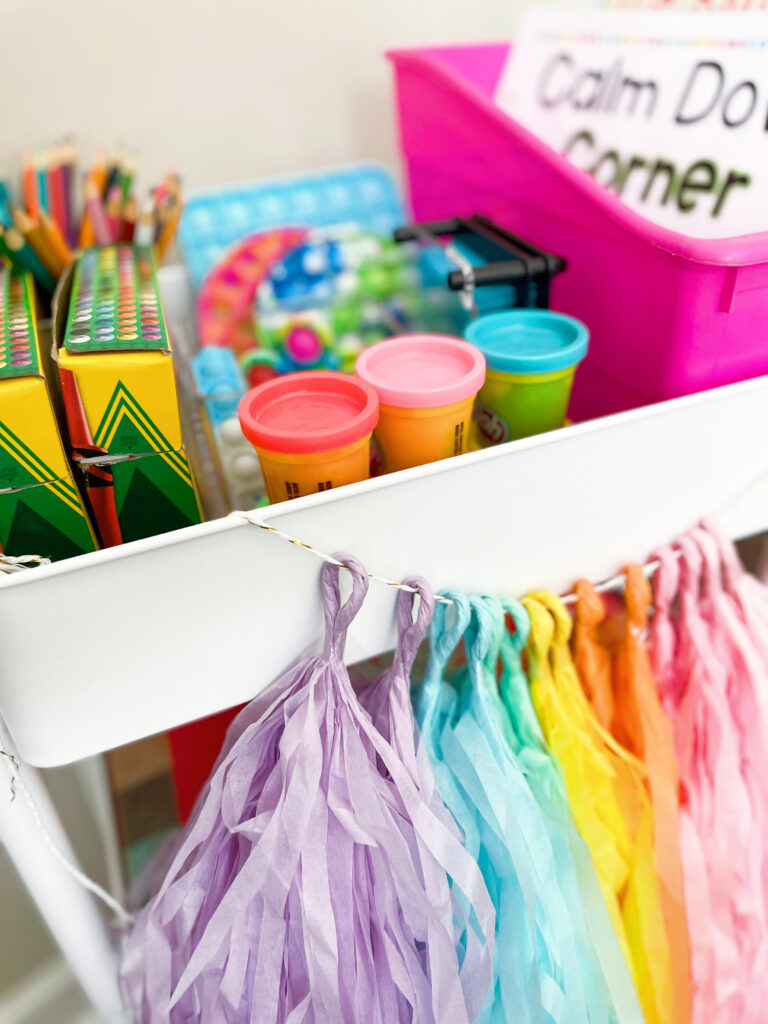
- Introduce behavior signals or your calm-down corner
Day 4: Practice and Expand
At this point, you’re still reviewing but also deepening their understanding of classroom life. This is a great day to clarify gray areas and reinforce expectations through games and discussions.
- Add a writing activity (draw and write about their favorite part of school so far)
- Group sorting activity: “What’s OK in school vs. What’s Not?”
- Practice walking to specials or lunch again
- Play “What Would You Do?” scenarios to review expectations
Day 5: Celebrate and Reflect
You made it! Today is all about celebrating the week, reflecting on what they’ve learned, and ending on a joyful note. Reinforce the most important routines so they’re ready for week two.
- Create a class book or time capsule
- Whole-class game or “Minute to Win It” challenge
- Review key routines with student helpers modeling
- Let students share one thing they’ve loved this week
- Send home a positive note or photo of their first week
Managing Behaviors Before They Spiral
It’s tempting to let small behaviors slide in that first week. After all, everyone’s tired, adjusting, and learning. But what you allow in week one becomes your new normal.
Instead, use week one to:
- Set clear boundaries early (and kindly!)
- Teach what to do when students feel overwhelmed or frustrated
- Notice patterns: who’s struggling with transitions, who needs more breaks
- Praise the behavior you want more of, and redirect with calm and clarity
Establish consequences that are logical and predictable, not scary or shaming. And remember, some of your students may need extra time or more direct instruction to internalize expectations. That’s okay. Your consistency is the biggest gift you can give them.
Planning your first week lesson ideas now gives you the mental space to enjoy your summer and show up in August feeling focused and ready. The best classroom management begins with a thoughtful and consistent approach from the start.
You don’t need to do it all. Just show up with a plan, connect with your students, and teach them what success looks like in your room—one routine, one activity, one smile at a time.
Ready to Walk into Day One with a Plan?
If you want a calm, confident start, but you’re feeling overwhelmed trying to pull everything together, The First 25 Days course is your next step.
This self-paced course walks you through exactly how to start the year strong, covering:
- Step-by-step routines and expectations to teach each day
- Printable visuals, management strategies, and classroom systems
- Ready-to-use lesson ideas that ease you (and your students) into learning
You’ll go into your first week knowing what to say, what to model, and what to prioritize—no more guesswork.
👉 Click here to check out The First 25 Days and start your school year with purpose and peace.