6 Must-Teach Routines to Kick Off a Calm & Confident Classroom
Back to school doesn’t have to mean chaos. While those first few weeks can feel like herding kittens in backpacks, they also set the stage for everything that follows. When you teach key routines early and teach them well, you’re not just saving your future self; you’re helping students feel safe, confident, and ready to learn.
Think of these routines as the heartbeat of your classroom: predictable, steady, and essential for keeping things running smoothly. And yes, you can absolutely make them fun (hello, pumpkin patch pretend play!). Here are six must-teach routines to build a classroom full of calm, confident learners, plus fall-themed ideas to make it all stick.
1. Morning Arrival Routine
How students enter your room sets the tone for the entire day. If arrival time feels calm and organized, everything else is more likely to follow suit.
Why It Matters:
The first few minutes of the school day shape everything that follows. A smooth and predictable arrival routine helps students transition into “school mode” and start the day with confidence.
Teach Them:
- Where to put backpacks and folders
- How to check in (name sticks, clothespins, magnets)
- What to do when they finish—morning tubs, table work, or quiet reading
Make It Fun:
Create a “Fall Morning Choice Menu” with icons like leaf puzzles, apple-building blocks, or mini writing prompts like “Draw your dream pumpkin.” Visual choices reduce overwhelm and increase independence.
2. Transitioning Between Activities
Transitions can be the most chaotic part of the day—or a chance to reset and refocus. Teaching students exactly what to do during these moments helps everything run more smoothly.
Why It Matters:
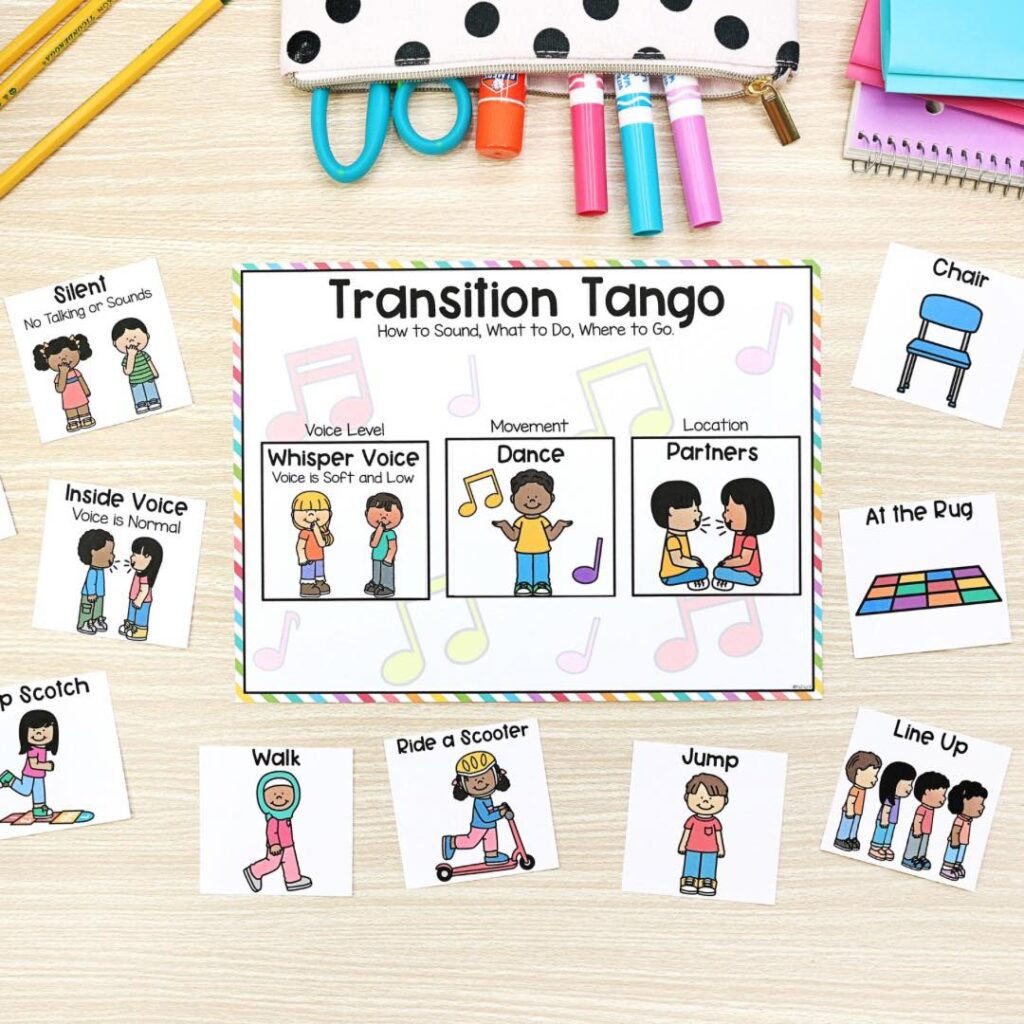
Without clear classroom transitions, classroom energy can spiral fast. Teaching students how to transition smoothly from one activity to the next, calmly and quickly, saves you a lot of redirection later.
Teach Them:
- What a transition looks and sounds like
- Visual or verbal signals you’ll use (chimes, countdowns, call-and-response)
- What to do if they’re done early or need help
Make It Fun:
Turn transitions into a “Fall Freeze Dance” challenge, play soft transition music, and give students a countdown to switch activities or stations. Bonus: it keeps energy light and movement intentional.
3. Lining Up and Hallway Behavior
Hallway behavior is one of the most public parts of your classroom culture and one of the trickiest for students to master. Practice it early and often.
Why It Matters:
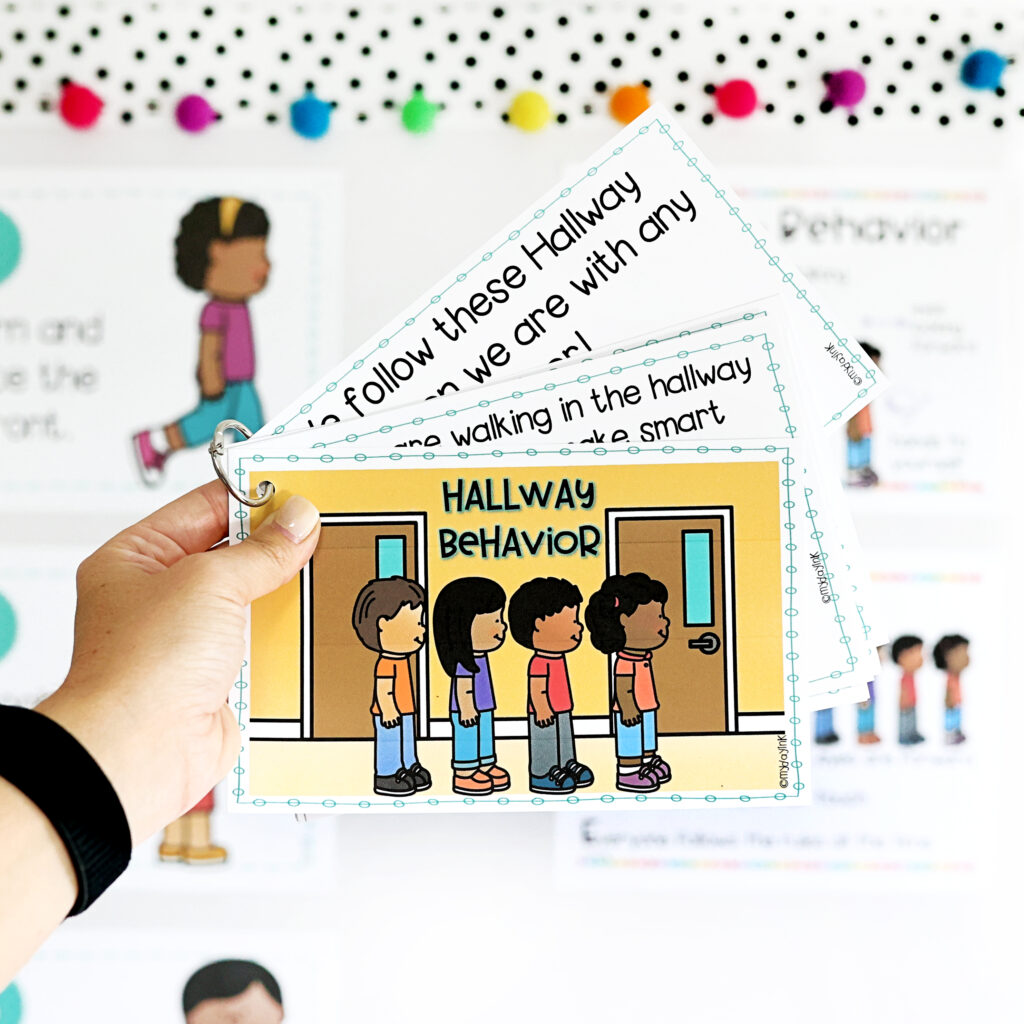
Hallways are high-stakes for young learners. Teaching line behavior upfront helps avoid chaos later (and earns you major points with the teachers next door).
Teach Them:
- How to line up quietly and quickly
- Where their place is in line (use numbered floor spots or themed name tags)
- How to walk through the hallway with voice and body control
Make It Fun:
Set up a “Pumpkin Patch Pretend Play” for practice. Students “line up for the hayride” to visit pretend fall destinations (the apple orchard = lunchroom, corn maze = library). Each stop reinforces hallway expectations in a playful, low-stress way.
4. Cleaning Up and Taking Care of Materials
Teaching kids how to clean up is more than about tidiness—it’s about respect for materials, responsibility, and shared ownership of the space.
Why It Matters:
Teaching students to respect and care for materials builds responsibility and keeps your classroom running like a well-oiled machine.
Teach Them:
- How to return supplies to the right place
- How to clean up quietly and thoroughly
- What to do when they’re done (stand behind chairs, sit criss-cross, etc.)
Make It Fun:
Use a “Leaf Patrol” theme, where each table group becomes a fall-themed team (e.g., Maple Squad, Acorn Crew) and earns points for clean-up speed and teamwork. Create a simple fall tracker or a printable to keep it visible and motivating.
5. Asking for Help and Self-Regulation
Independence doesn’t mean doing everything alone—it means knowing how to ask for help and how to manage big emotions. Teach both clearly from the start.
Why It Matters:
When students don’t know how to ask for help or manage big feelings, you end up managing meltdowns instead of teaching. Helping students advocate for themselves is a must from Day 1.
Teach Them:
- What it looks like to ask for help (raising a hand, using a help card)
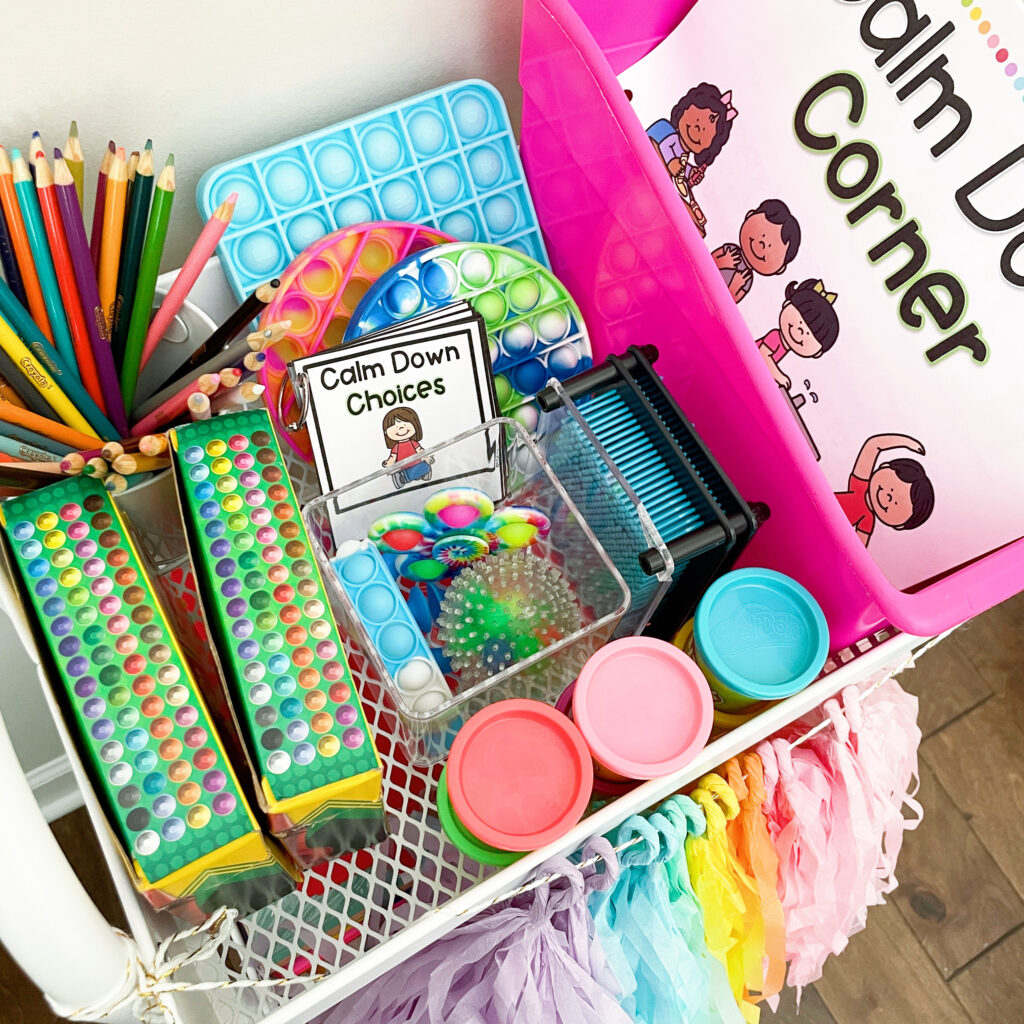
- Where to go or what to do if they’re upset (calm corner, emotion chart)
- How to problem-solve with peers before asking an adult
Make It Fun:
Create a “Cozy Fall Calm Corner” complete with apple-scented stress balls, leaf-themed emotion cards, and fall books about feelings (The Scarecrow, Fletcher and the Falling Leaves). Introduce it slowly and use role-playing to teach when and how to use it.
Absolutely! Here’s an additional section for Dismissal Procedures that matches the tone and structure of the rest of the post, including a short intro and a fall-themed twist to keep students engaged:
6. Dismissal Procedures
The end of the day can be just as hectic as the beginning—unless you’ve taught dismissal like any other routine: with clarity and calm.
Why It Matters:
Dismissal is one of the most chaotic times of the day if it’s not managed well. Students are tired, excited to go home, and often unsure of where they’re going, especially at the beginning of the year. A strong dismissal routine keeps everyone safe, accounted for, and calm.
Teach Them:
- How to pack up (folders, water bottles, jackets)
- What to do while waiting (read quietly, draw, listen to music)
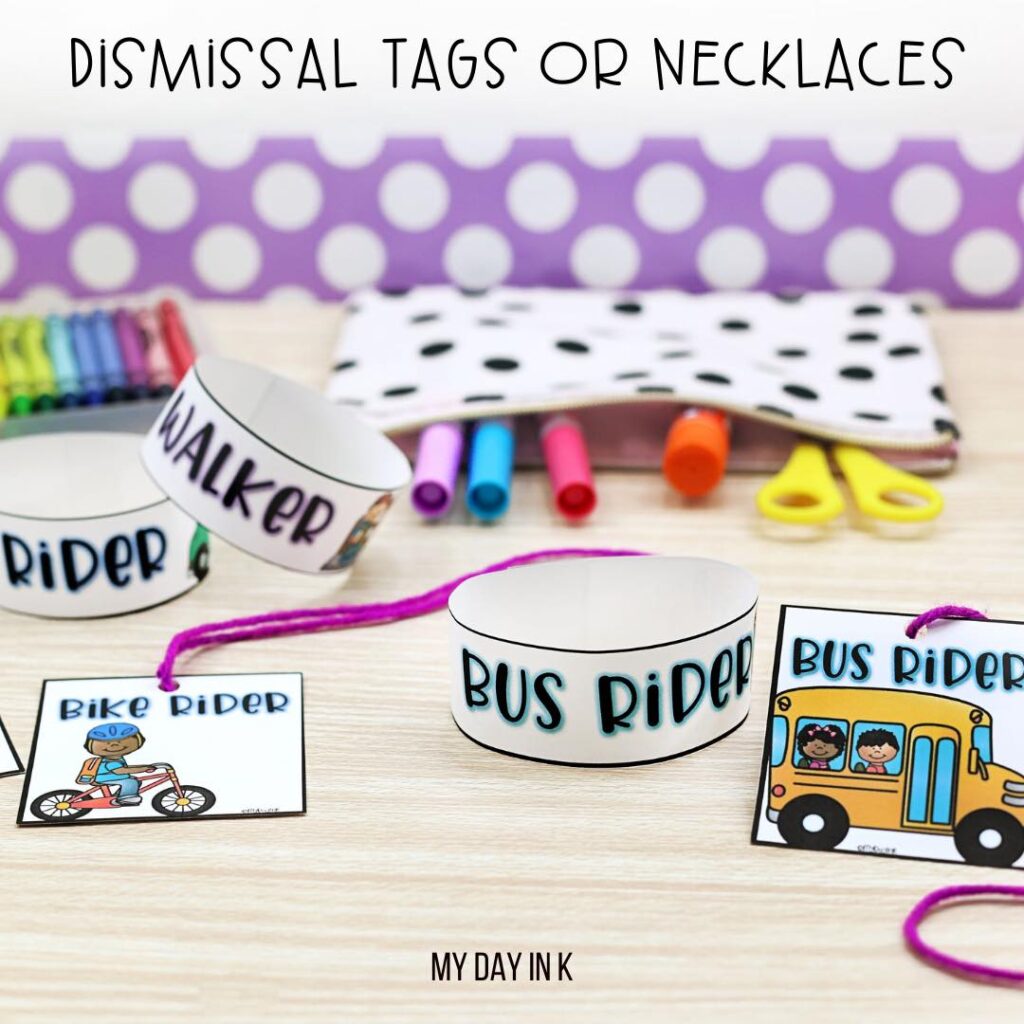
- How and when they’ll be called (by bus number, car line group, walker group)
- Where they go and how they leave the building safely
Make It Fun:
Create a “Fall Dismissal Challenge” where students earn a leaf sticker each day they follow procedures quietly and independently. When the class fills the tree with leaves, they earn a cozy fall reward, like cider during read-aloud or a pumpkin-themed brain break
Teach It Like You Mean It
Here’s the secret to routines that actually stick: teach them like they matter. Because they do. Don’t rush through procedures; slow down, model it, practice it, and revisit it often. Yes, it takes time. But what you invest now pays off tenfold come October.
You’re not just teaching how to line up or put away markers—you’re teaching students how to be part of a classroom community that respects each other, takes care of their space, and knows what to expect.
And when that happens? You get to teach with joy instead of constant management.
Frequently Asked Questions About Teaching Routines
Q: How soon should I start teaching routines?
A: Start on day one—and revisit often! Students need clear modeling and lots of repetition to internalize what’s expected. It’s not about perfection on day one; it’s about consistency over time.
Q: What if students aren’t following the routines after the first week?
A: That’s completely normal! Keep reviewing routines with visual reminders, role-playing, and gentle reteaching. Think of it like brushing teeth—it takes practice to build the habit.
Q: How can I make routines fun without losing structure?
A: Use seasonal themes (like fall pretend play or leaf trackers) to keep things engaging, but pair them with clear expectations and predictable patterns. Fun and structure can absolutely coexist!
Q: What if I have students who need extra support with routines?
A: Provide visuals, assign a buddy, or use small-group reteaching. Some students may need checklists, first/then cards, or individual goals to help them stay on track. Meeting them where they are is key.
Q: Should I teach all the routines in one day?
A: For that first day, focus on the routines that your students need to know to be successful in your classroom and around school. (Ex. Morning routine, how to sit in a chair, how to walk to the rug, how to line up, bathroom behavior, etc.) and layer in others (cleanup, help-seeking, and how to get a pencil) over the first few weeks. Think of it like building a puzzle—one piece at a time.
Q: Do you have resources to help with teaching routines?
A: Yes! My First 25 Days course provides you with step-by-step plans, visuals, and creative ideas to teach routines in a calm, structured manner—with less stress and more joy.
