Building Strong Classroom Communities: Lessons on Patience, Play, Belonging, and Connection
Building Strong Classroom Communities doesn’t happen overnight. It grows through patience, play, communication, and meaningful connections that help every student feel like they belong.
In a world that often moves quickly, it’s easy to forget that the most meaningful things in life take time. Strong friendships, supportive families, thriving classrooms, and connected communities are not built overnight. They are created through small moments, daily interactions, and a commitment to showing up for one another even when things aren’t easy.
Whether you’re a teacher building strong classroom communities, a parent raising children, or someone looking to strengthen relationships, the same principles apply. Patience, play, belonging, perseverance, communication, and balance all play important roles in helping people feel connected and supported.
The Power of Patience
One of the greatest misconceptions about relationships is that they should happen instantly. We often expect friendships to form quickly, trust to develop naturally, and communities to feel connected right away.
The reality is much different.
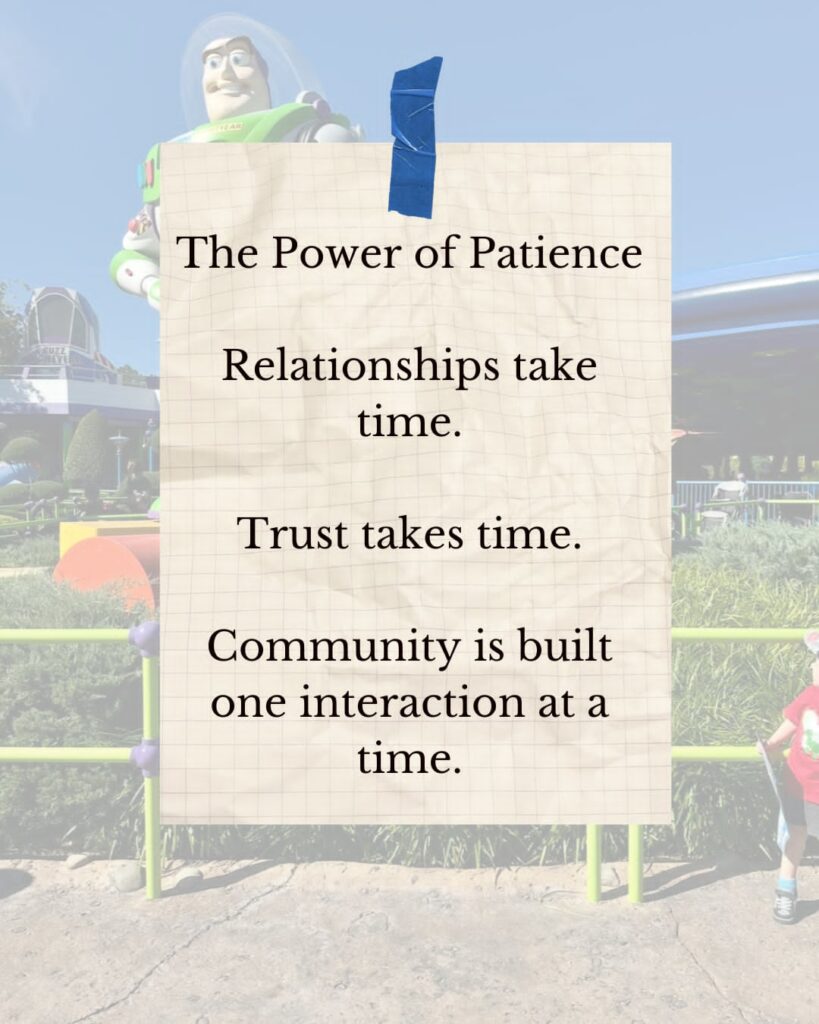
Relationships take time. Trust takes time. Community is built one interaction at a time.
Think about the strongest relationships in your life. They weren’t created during a single conversation or shared experience. They grew through consistent interactions, mutual respect, and countless moments of showing up for one another.
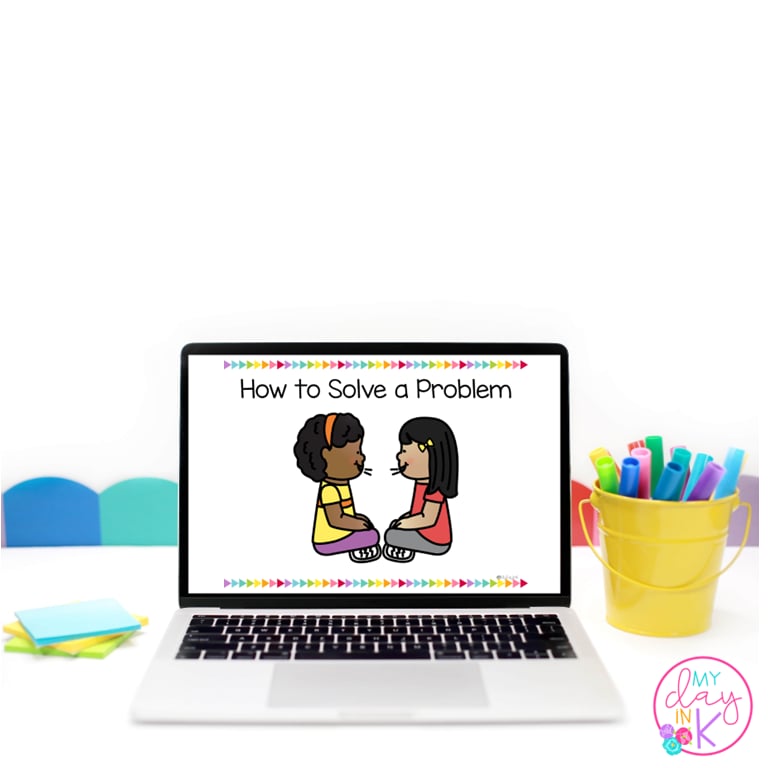
This is especially important for children. Whether they’re entering a new classroom, joining a sports team, or moving to a new neighborhood, meaningful connections develop gradually. Giving children space and time to build those relationships helps create stronger bonds that last.
The Power of Play
As adults, it’s easy to see play as something children do simply for fun. While play is certainly enjoyable, it is also one of the most important ways children learn about themselves and others.
Play is where children learn, connect, create, and grow.
Through play, children practice communication, problem-solving, creativity, leadership, and cooperation. They learn how to negotiate rules, resolve disagreements, and understand different perspectives.
Many of the strongest childhood friendships begin with a simple invitation to play. A shared game on the playground, a building project with blocks, or a pretend adventure can become the foundation for lasting relationships.
When we protect opportunities for meaningful play, we aren’t taking away from learning. We are supporting it.
Why Belonging Changes Everything
Every person wants to feel like they matter.
When people feel valued and accepted, they are more likely to participate, contribute, and support those around them. Belonging creates a sense of safety that allows people to take risks, share ideas, and build meaningful relationships.
When people feel like they matter, they’re more willing to help, encourage, include, and grow together.
In classrooms, students who feel a sense of belonging are often more engaged and motivated. Plus, in workplaces, employees who feel connected are more collaborative and productive. In communities, people who feel valued are more likely to invest their time and energy into helping others.
Creating belonging doesn’t require grand gestures. It often begins with simple actions: learning someone’s name, listening to their story, inviting them into a conversation, or making space for their ideas.
The Power of Perseverance
Every relationship experiences challenges.
Friendships face disagreements. Families navigate difficult seasons. Communities encounter obstacles and setbacks. The presence of challenges does not mean something is broken. It means growth is happening.
What matters most is the willingness to keep showing up.
Strong relationships are built when people choose to work through challenges rather than walk away from them. They grow stronger through empathy, understanding, forgiveness, and commitment.
Communities face challenges. Families face challenges. Friendships face challenges. The people who stay connected through those moments often discover deeper trust and stronger relationships on the other side.
Communication Builds Strong Communities
At the heart of every healthy relationship is communication.
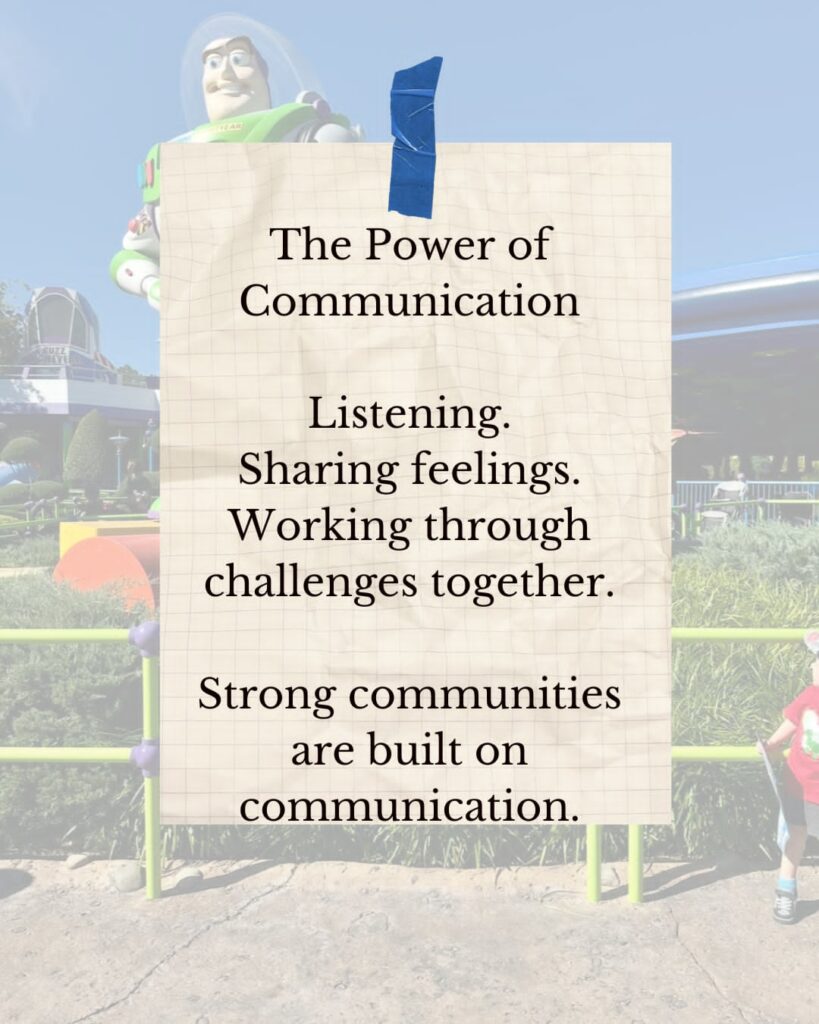
Listening. Sharing feelings. Working through challenges together.
These simple actions create understanding and strengthen connections between people.
Good communication isn’t about always agreeing. It’s about creating space for different perspectives, asking questions, and working toward solutions together. When people feel heard, they are more likely to listen in return.
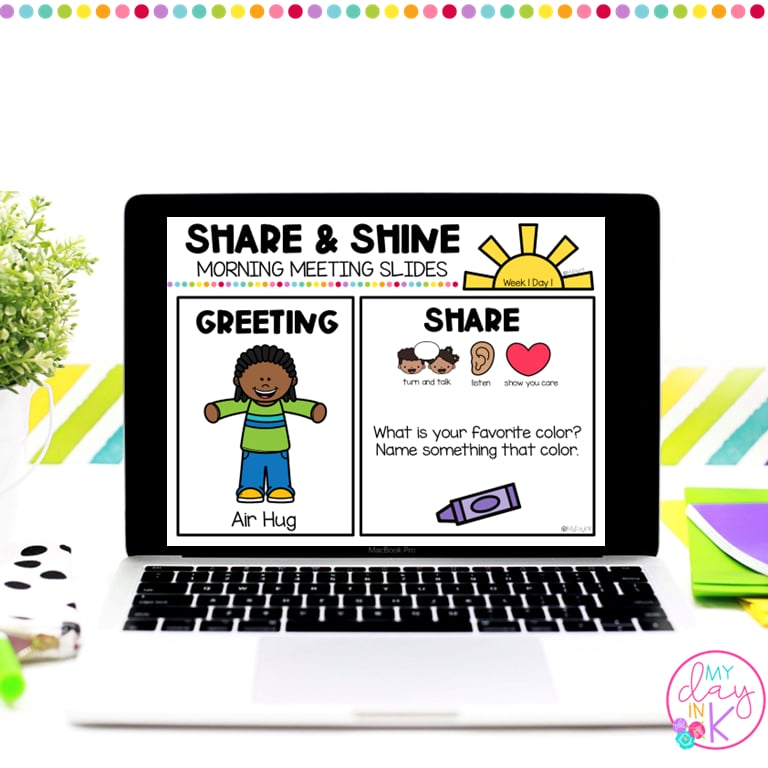
For children, communication skills must be taught and practiced. Learning how to express feelings, solve conflicts respectfully, and actively listen to others helps them build stronger friendships and navigate challenges throughout life.
Strong communities are built on communication because communication builds trust.
Finding Balance in a Digital World
Technology is part of our children’s world. It provides opportunities for learning, creativity, and connection that previous generations never experienced.
But technology is only one piece of a healthy childhood.
So is imagination.
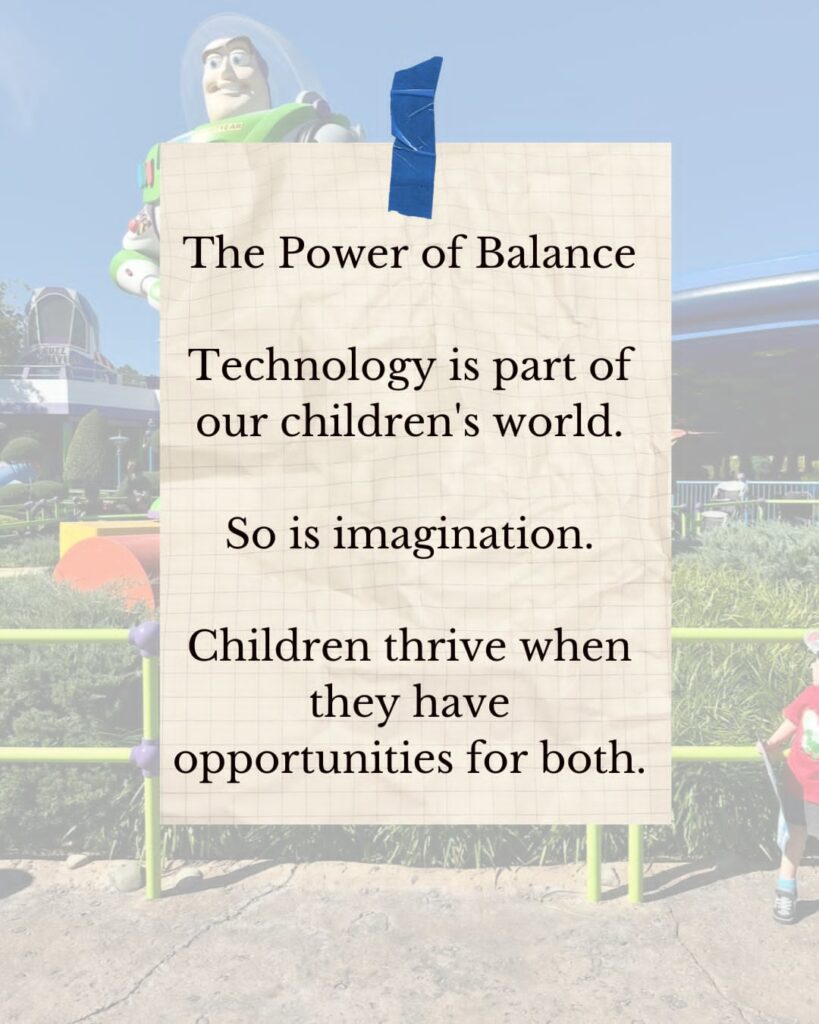
Children thrive when they have opportunities for both. They need time to explore digital tools, but they also need time to create, build, pretend, move, and interact face-to-face with others.
Balance allows children to benefit from technology without losing the experiences that help them develop creativity, social skills, and emotional resilience.
The goal isn’t choosing one or the other. The goal is creating opportunities for both.
Bringing It All Together
Patience helps relationships grow. Play helps connections form. Belonging helps people feel valued. Perseverance helps us overcome challenges. Communication strengthens understanding. Balance creates opportunities for growth.
When these elements come together, something powerful happens. Classrooms become communities. Neighbors become friends. Families become stronger. People feel connected, supported, and empowered to help one another succeed.
The strongest communities aren’t built through grand events or single moments. They’re built day by day, conversation by conversation, and interaction by interaction.
And that is where a lasting connection begins with building strong classroom communities.
Building Strong Classroom Communities
Ready to build a classroom where students feel connected, valued, and excited to learn? These Classroom Community Slides make it easy to teach routines, expectations, and relationship-building activities from the very first day of school. With ready-to-use morning meeting lessons, community-building discussions, and engaging activities, you’ll spend less time planning and more time creating the positive classroom culture every teacher wants. Grab the slides today and start building a strong classroom community from day one!