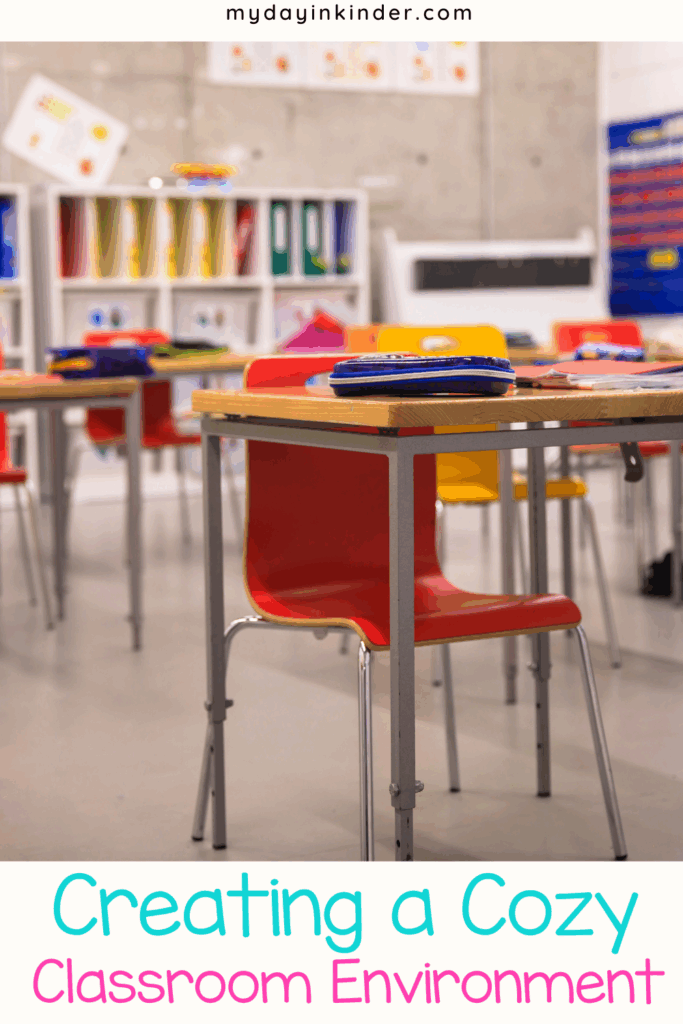
Creating a Warm & Welcoming Classroom Environment This Fall
There’s nothing quite like the feeling of a new school year. Freshly sharpened pencils, a clean whiteboard, and the promise of new beginnings. But while we may feel the excitement, many students walk into the classroom feeling nervous, uncertain, or even overwhelmed. That’s why the classroom environment you create matters so much.
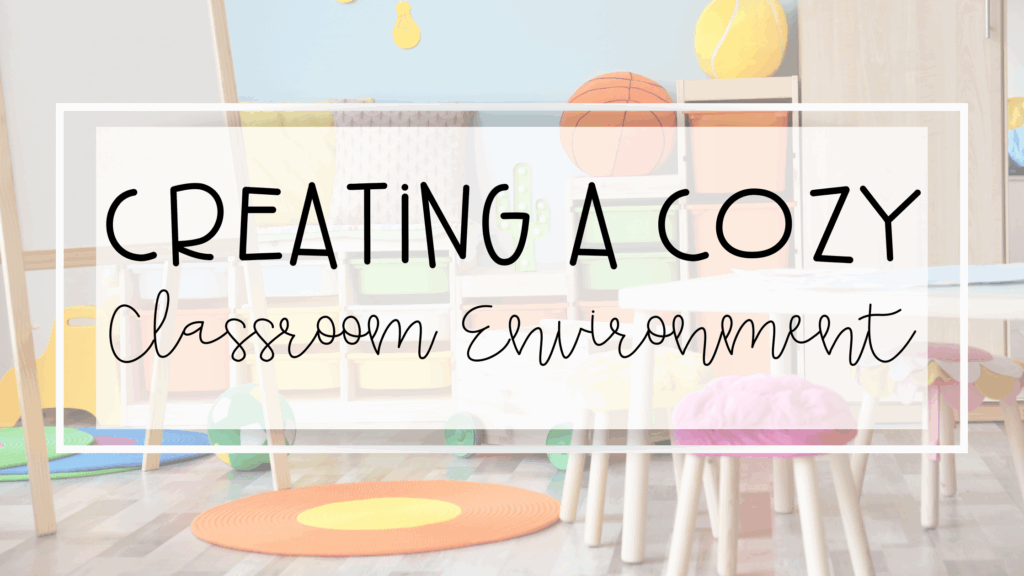
A warm, cozy classroom helps students feel safe, seen, and ready to learn. You don’t need an over-the-top, Pinterest-worthy setup; just a few intentional touches that invite students into a space where they can breathe, settle in, and feel at home.
Here’s how to bring that cozy, comforting feel into your classroom as the school year begins.
Start with Soft and Simple Decor
Your classroom environment doesn’t need to be packed wall-to-wall with color and charts to feel warm and inviting. In fact, keeping your space calm and clutter-free can actually help students feel more focused and relaxed, especially during the early part of the year.
Consider using:
- Soft, warm tones like muted oranges, deep greens, or natural textures
- A neutral or minimalist bulletin board with soft borders and clean lines
- Lamps or string lights for soft lighting in place of harsh overhead lights
- Natural materials like woven baskets, neutral rugs, or faux plants
You can also invite your students into the space by creating a “Welcome to Our Class” board. Let them decorate their names on paper leaves, stars, or puzzle pieces to symbolize the classroom community coming together.
Design a Cozy Calm-Down Corner
Whether it’s the first week or the middle of October, your students need a space where they can reset. A calm-down corner is an intentional, inviting area where kids can breathe, regulate emotions, and return to learning with more focus.
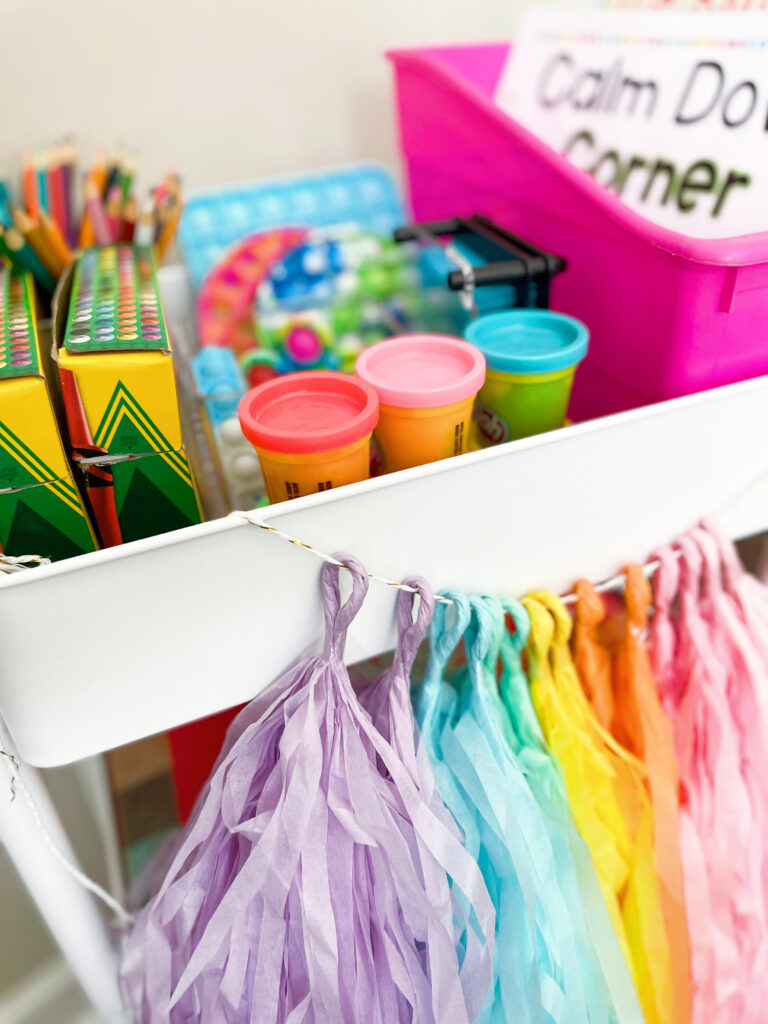
Your corner might include:
- A soft rug or cushion
- A small bin with calming tools: stress balls, sensory jars, or coloring pages
- Visuals that walk students through breathing techniques or emotional check-ins
- A short timer or sand timer to give structure to their time in the space
Don’t forget to explicitly teach when and how to use it. You can model a scenario, read a book about big emotions, and allow time for students to explore the space before it’s needed.
Build a Book Display That Sparks Connection
Books are one of the best ways to help students feel connected to the classroom, to each other, and to their own emotions. Creating a seasonal or themed book display helps highlight stories that invite comfort, conversation, and belonging.
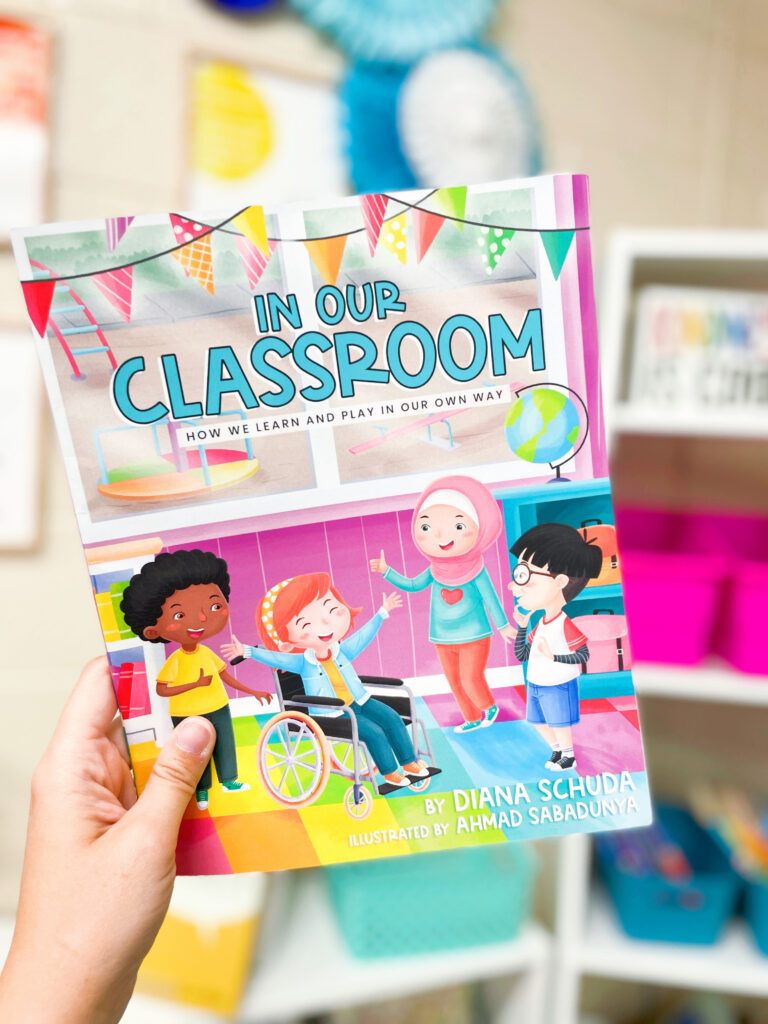
Here are a few great titles to include:
- The Scarecrow by Beth Ferry – a heartwarming story about kindness and connection
- Fletcher and the Falling Leaves by Julia Rawlinson – a gentle book about change
- Our Class is a Family by Shannon Olsen – perfect for setting the tone of inclusion
- All Are Welcome by Alexandra Penfold – a celebration of community and acceptance
- In Our Classroom by Diana Schuda– Inclusivity and diversity are celebrated
Pair your display with a reading rug or chair where students can relax and explore during morning work, independent reading time, or after a transition.
Prioritize Relationship-Building with Gentle Activities
A cozy classroom environment is more than just physical space; it’s about how your students feel in that space. And that feeling comes from building real relationships, starting on day one.
Try starting your year with:
- “Me in a Mug” crafts, where students decorate a cup with fun facts about themselves
- Compliment circles, where students give and receive kind words each morning
- Partner interviews with simple, friendly questions to help students connect
- A class quilt activity where everyone designs a square representing who they are
These activities are calm, intentional, and give every student a chance to feel seen, especially the ones who may not jump into group discussions right away.
Comfort Creates Confidence
When your classroom feels safe, calm, and welcoming, your students are more likely to take risks, speak up, and feel confident in their learning. A cozy environment isn’t about decor trends—it’s about helping kids feel like they matter.
Start with small touches. Add a rug. Lower the lights. Greet them at the door by name. Build a space that says, “You belong here.”
And as the weeks go on, continue weaving in those quiet, intentional moments that remind your students they are part of something special.
FAQ about Classroom Environment
Q: How can I make my classroom cozy without spending a lot of money?
A: Focus on small, impactful changes. Use soft lighting (lamps from home work great), tidy up visual clutter, and bring in calming colors with bulletin board paper or fabric. Even just reorganizing your space for better flow can make a big difference.
Q: What’s the best way to introduce a calm-down corner?
A: Take time to model it like any other routine. Read a book about emotions, explain the tools, and let students practice using the space. Emphasize that it’s a safe, supportive spot—not a punishment.
Q: How do I balance cozy with structure and expectations?
A: A cozy classroom isn’t a free-for-all—it’s a calm, predictable environment. You can have soft lighting and rugs and hold students accountable. In fact, those small comforts often help students self-regulate and follow routines more easily.
Q: Can cozy classroom strategies work in upper grades?
A: Absolutely. Older students still benefit from calm visuals, emotional regulation tools, and warm spaces. Just keep the aesthetic a bit more mature (think earth tones and modern touches) and adapt activities to their developmental level.
Q: What if I already started the year and didn’t create a cozy feel, can I shift now?
A: Yes! It’s never too late to adjust your environment or build stronger relationships. Start small, introduce a calm-down space, refresh one bulletin board, or add a few intentional connection activities during morning meetings. A cozy vibe is less about the start date and more about consistency and care moving forward.