5 Classroom Management Habits I Never Do in My Primary Classroom(And What I Do Instead)
There’s something about spring in a primary classroom that feels a little… unhinged. The routines you built so carefully in the beginning of the year start wobbling. The line that once moved like a peaceful little duck parade now looks more like a wildlife documentary. And somehow, everyone has forgotten how chairs work, and sometimes we as teachers have poor classroom management habits that we have to get away from.
After years in the classroom, I’ve learned that classroom management doesn’t fall apart overnight. It slowly loosens when we assume things are “fine.” And sometimes, without realizing it, we contribute to the chaos by doing things that feel logical in the moment but don’t actually solve the problem.
So here are five classroom management habits I no longer do in my primary classroom and what I do instead.
I Never Assume Routines Are Still Solid
It’s tempting to think, “We already learned this in September.” And technically, yes. You did teach how to line up. You modeled how to sit on the carpet. You practiced independent work expectations a hundred times.
But primary students are still developing consistency. Skills fade without reinforcement. Long weekends, schedule changes, testing, and weather shifts all impact behavior. When routines start slipping, it’s usually not defiance. It’s drift.
Instead of assuming routines are solid, I revisit them regularly. I treat expectations like academic skills. We spiral back. We review. We practice again. A 60-second refresher before a transition often saves five minutes of correcting behavior afterward. Reviewing routines isn’t admitting failure. It’s maintaining structure.
I Never Just Repeat Directions Louder
We’ve all had this classroom management habit. You give a direction. Half the class keeps talking. So you say it again, but louder. And then louder. And somehow the noise level rises with you.
Voice level does not equal clarity.
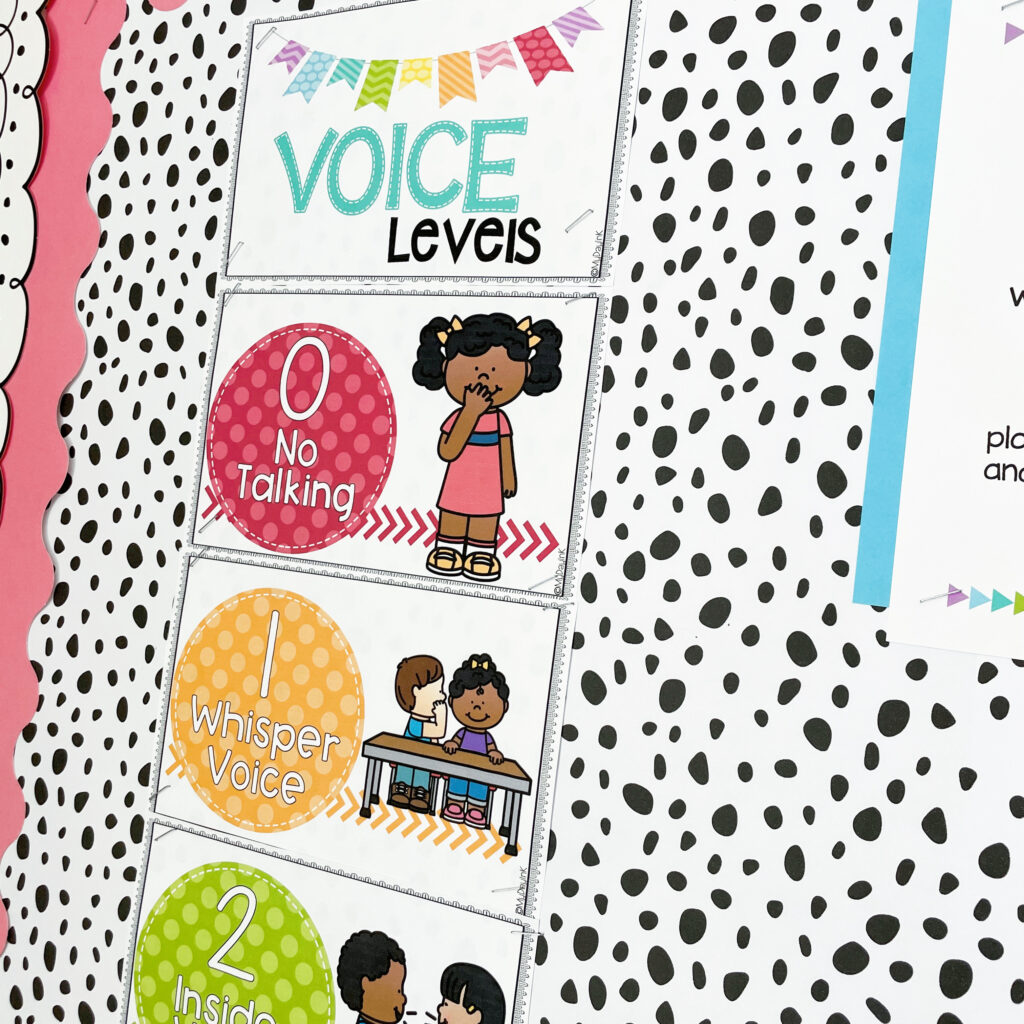
When I repeat directions louder, I’m usually reacting instead of teaching. Students tune out when directions become background noise. And raising my voice doesn’t actually reteach the expectation. It just adds intensity to the room.
Instead, I pause. I lower my voice. Sometimes I stop talking entirely. I reset attention before restating the direction clearly and calmly. I might say, “Let’s try that again. Show me you’re ready.” Then I model exactly what ready looks like. When directions are paired with modeling and a reset, they stick far better than when they’re just amplified.
I Never Wait for Behavior to Escalate Before Reviewing
One of the biggest classroom management habits I had early in my teaching career was waiting too long. I would notice small signs, whispering during work time, wiggly carpet behavior, and messy transitions. But I’d brush it off. “It’s fine,” I’d think. Until it wasn’t.
By the time behavior escalates, emotions are involved. And once emotions are involved, everything takes longer.
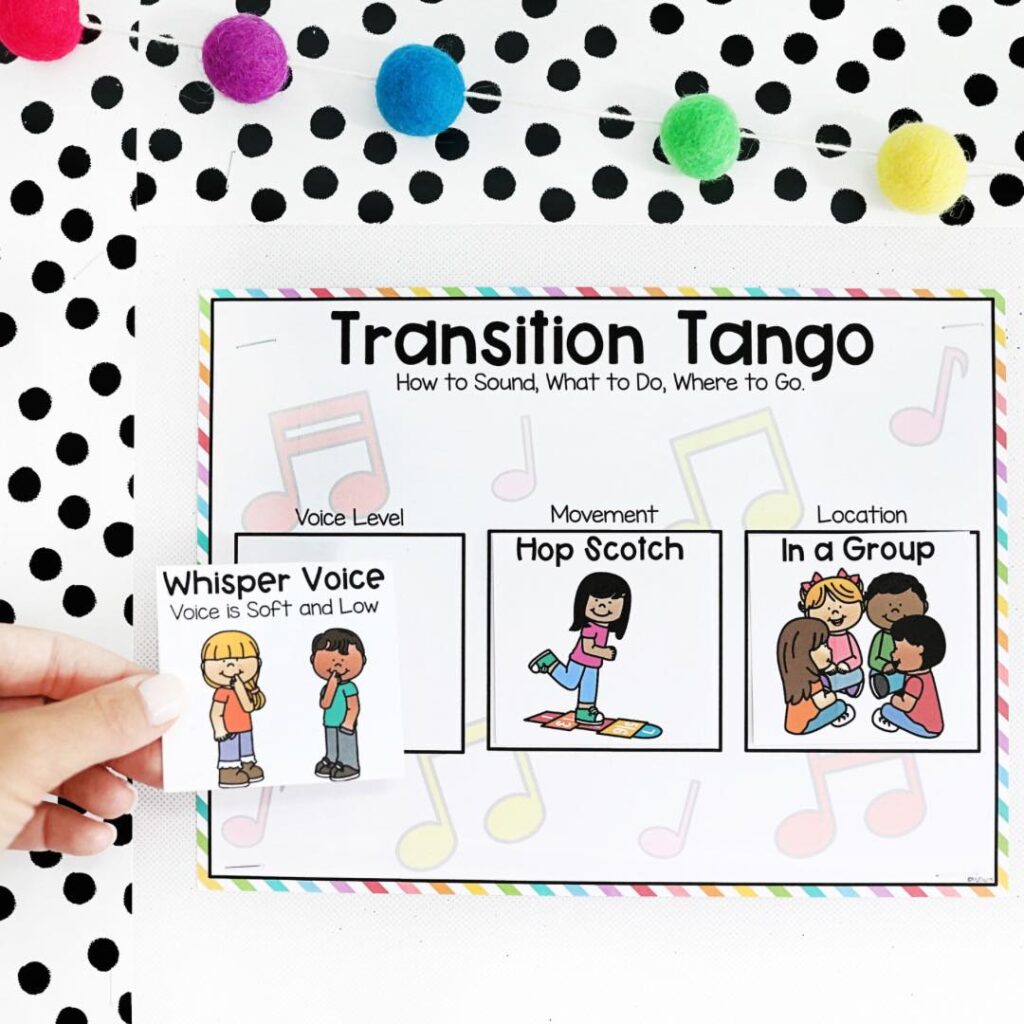
Now, I review at the first sign of slippage. If independent work feels louder than usual, I stop and revisit expectations immediately. If line behavior feels chaotic, we practice lining up again before it becomes a daily battle.
Proactive review is always shorter and calmer than reactive correction. A two-minute reset today prevents a twenty-minute meltdown tomorrow.
I Never Skip Modeling
It’s easy to believe that modeling is only for the beginning of the year. By spring, surely they know what sitting appropriately looks like. Surely they remember how to walk in the hallway.
But modeling isn’t just for teaching new routines. It’s for strengthening existing ones.
When expectations feel fuzzy, I model again. Sometimes I exaggerate the wrong way first and let students tell me what’s incorrect. Then I model the strong choice. Students might practice it with me. Modeling makes expectations concrete. It shows instead of tells.
Young learners process visuals and demonstrations far more effectively than repeated verbal reminders. When I skip modeling, I’m relying too heavily on abstract language. When I model, clarity returns quickly.
I Never Remove Visuals in the Spring
There’s always that moment when you’re tempted to take down the visuals. The posters feel unnecessary. The reminder slides seem redundant. The classroom looks cleaner without them.
But visuals aren’t decorations. They’re supports.
Primary students rely on consistent visual cues. Removing them in the spring is like taking away anchor charts during math review season. The expectations haven’t disappeared, so the supports shouldn’t either.
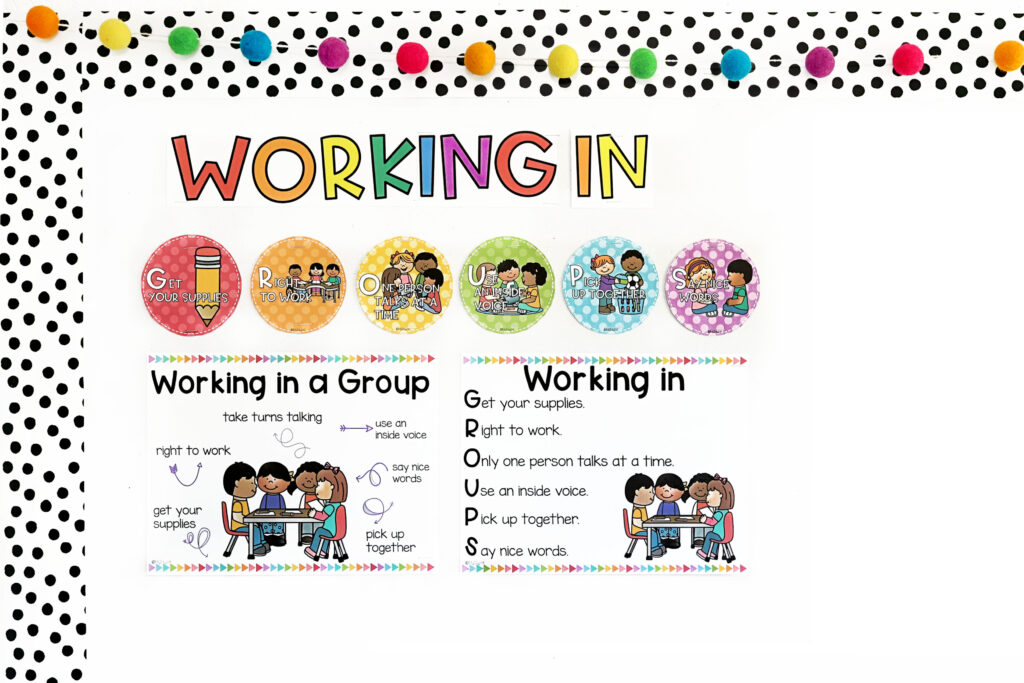
Instead of removing visuals, I refresh them. I might reintroduce a strong vs. weak choice example. I might highlight one specific expectation each week. Keeping visuals up maintains consistency and reduces the need for constant verbal reminders. They quietly do the reinforcing for me.
Classroom management isn’t about perfection. It’s about consistency. It’s about noticing small shifts before they become big problems. It’s about understanding that review is not a step backward; it’s maintenance.
When I stopped assuming routines were solid, stopped raising my voice, stopped waiting for escalation, stopped skipping modeling, and stopped removing visuals, my classroom felt calmer. Transitions were smoother. Independent work lasted longer. And I wasn’t exhausted from constantly correcting behavior.
Sometimes, strong classroom management habits are all about what you need to stop doing, and that is ok!