Creating a Positive Environment with Classroom Rules Books
If you’ve ever had to remind your kindergarten students for the 100th time that running in the classroom is a no-go, you’re definitely not alone! In those early weeks, especially with new students, the classroom can feel like a playground, and getting everyone on the same page about how things are supposed to work can be tough. I remember one school year at the beginning of the year, a little boy treated our carpet like his personal racetrack. No matter how often I reminded him to stay seated, he couldn’t resist darting around like he was in the middle of recess. I realized that my constant reminders weren’t working—I needed a different approach. That’s when I turned to classroom rules books, and it was a game-changer.

These stories not only helped teach my students the rules but also showed them *why* rules are important. Books made the rules come alive, allowing my students to see themselves in the characters and understand the real reasons behind our classroom expectations.
Why Use Books to Teach Classroom Rules?
Books are a powerful tool in teaching classroom rules because they do more than just tell kids what not to do. They create relatable stories where students can see characters dealing with similar challenges, making the lessons stick. Plus, the humor, bright colors, and simple text found in many classroom rules books make learning fun.
By using a mentor text (or a few mentor texts), teachers can connect the rules to social-emotional learning to build a sense of community. Instead of feeling like they’re being scolded, students see the positive impact of rules. Whether following safety rules during a fire drill or learning how to share space on the playground, these stories foster responsibility and kindness in a natural way.
Basic Classroom Rules
Before diving into the books, it’s helpful to establish a set of basic classroom rules that most students can easily follow. While these can vary depending on the school, here’s a list of core rules that you can teach with the help of classroom rules books:
- Be Kind: Show kindness to others through words and actions.
- Listen When Others Are Talking: Focus and respect the speaker.
- Keep Hands, Feet, and Objects to Yourself: Respect personal space.
- Follow Directions the First Time: Following directions ensures everyone stays on task.
- Raise Your Hand to Speak: Helps maintain order and gives everyone a chance to share.
- Use Inside Voices: Loud voices belong on the playground, not in the classroom.
- Clean Up After Yourself: Keep our classroom neat and tidy.
These simple rules help create structure while making the classroom a safe and respectful environment. Classroom rules books can bring these concepts to life, giving students concrete examples of these behaviors in action. Overall, hopefully, these books will help you minimize disruptive behavior in the classroom.
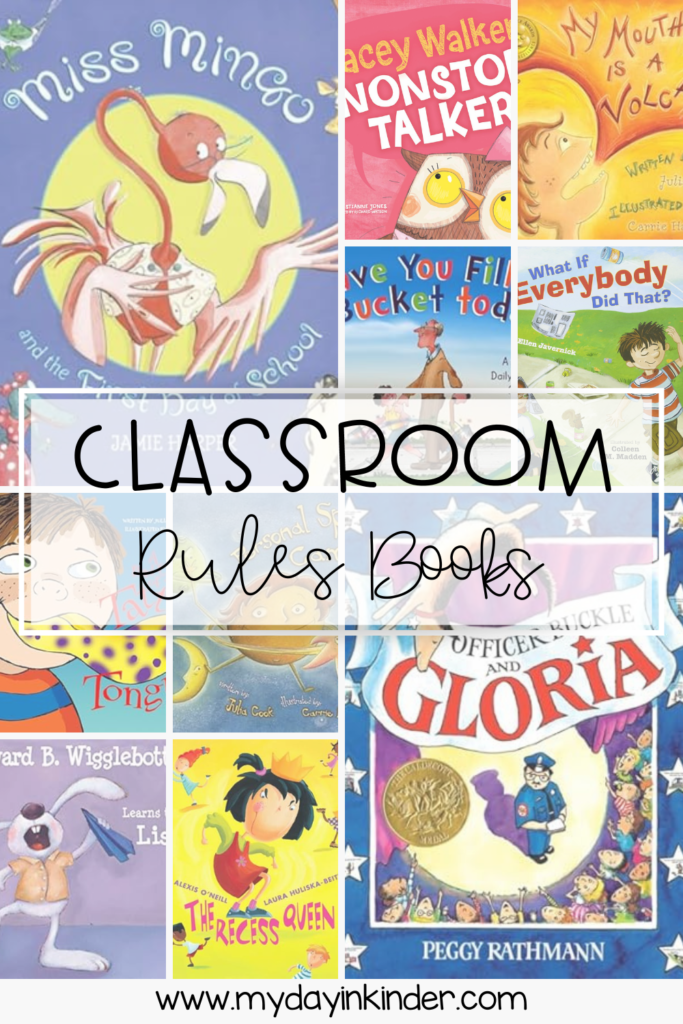
10 Great Books to Teach Classroom Rules
A lot of times, students just need examples. Books are great for teaching little ones in elementary school social skills and social emotional learning. Using the amazing stories below and any other classroom rules books you may love during the first weeks of school is the best way to ensure you have a great year.
Officer Buckle and Gloria by Peggy Rathmann
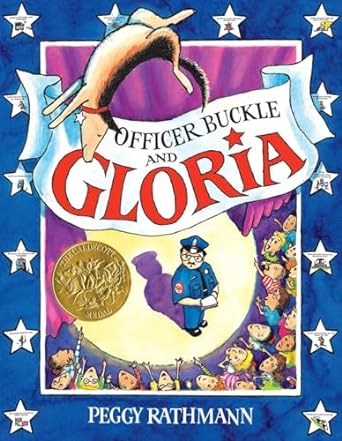
Officer Buckle gives safety presentations, but it’s his police dog, Gloria, who steals the show with her playful antics. This book is a perfect tool for teaching students the importance of safety rules and how to follow them—whether it’s during a fire drill or in everyday situations.
What If Everybody Did That? by Ellen Javernick
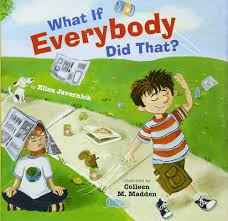
This fun book shows how small actions, like interrupting or littering, can have big consequences. It’s a great way to demonstrate to young students why following the rules is essential for everyone’s happiness.
The Recess Queen by Alexis O’Neill
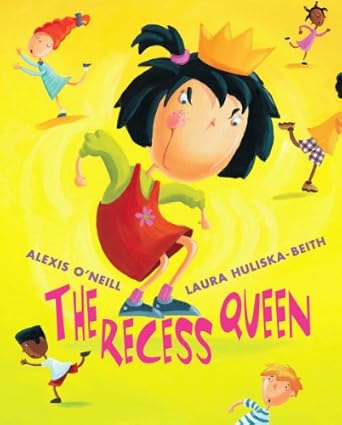
Meet Mean Jean, the queen of recess, who rules with an iron fist—until a new girl teaches her the value of kindness. This story offers a great way to talk about school rules, especially on the playground, and the importance of including others.
Lacey Walker, Nonstop Talker by Christianne Jones
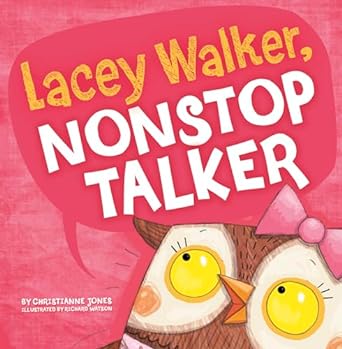
Lacey loves to talk—so much that she doesn’t listen to anyone else! This story is a great book to help students understand the importance of listening and waiting for their turn.
Howard B. Wigglebottom Learns to Listen by Howard Binkow
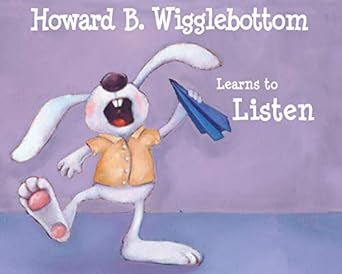
Howard the bunny learns that listening is essential for school success and friendships. With engaging illustrations and simple text, this book is perfect for teaching students how to pay attention and follow directions.
A Bad Case of Tattle Tongue by Julia Cook
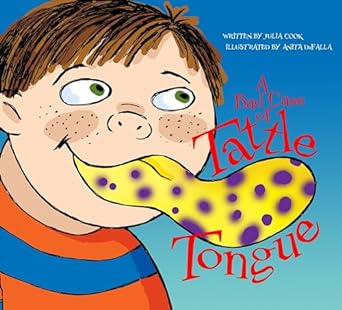
This book helps students understand when it’s important to tell an adult and when it’s okay to let small things slide. It’s a perfect read for reducing tattling while still promoting responsible behavior.
Personal Space Camp by Julia Cook
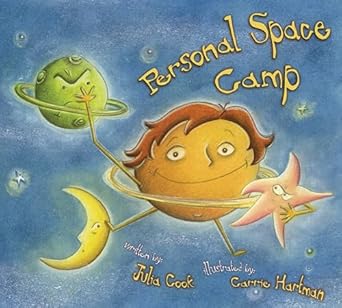
Teaching about personal space can be tricky, but this book does it in a fun way. It’s a great tool for helping students respect the space of others and understand boundaries.
Have You Filled a Bucket Today? by Carol McCloud
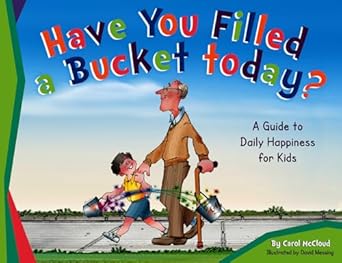
This story introduces the concept of invisible buckets that we fill with kindness and empathy. It’s a great book for promoting a positive classroom environment and encouraging students to be kind to one another.
My Mouth is a Volcano! by Julia Cook
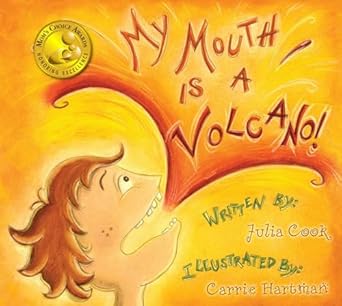
For students who struggle with blurting out, this book explains why waiting your turn to speak is important. It’s a fun way to teach patience and self-control in the classroom.
Miss Mingo and the First Day of School by Jamie Harper
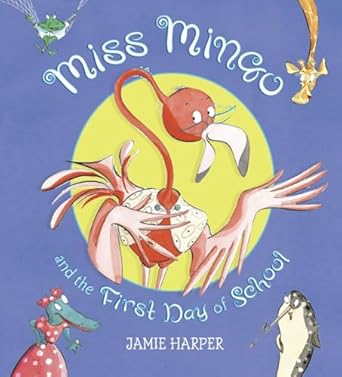
This delightful book follows a group of animals. They are learning to get along and follow classroom rules on their first day of school. It’s perfect for showing students that everyone is different, and that’s what makes our classroom special.
Classroom Rules Expansion Activities
After reading one of these great books, there are several creative ways to reinforce the lessons and ensure that students understand the rules.
- Anchor Charts: After reading, create a classroom anchor chart that lists the rules learned from the book. Students can help by drawing illustrations or writing examples of how to follow each rule. This visual reminder can be referred to throughout the school year.
- Role-Playing: Give students the opportunity to act out different situations from the book. For example, after reading The Recess Queen, students can take turns role-playing how to include others in games at recess.
- Create Mini-Books: Have students create their own mini-books about classroom rules. They can draw pictures of themselves following the rules or write a short story that mirrors the themes from the book.
- Classroom Rule Bulletin Board: Use student artwork or quotes from the book to create a colorful bulletin board that highlights the most important rules. This serves as both a creative activity and a daily reminder for students.
- Story Time Discussions: After reading each book, gather the students for a discussion about what they learned. Encourage them to share their thoughts about the rules in the book and how they can apply them in the classroom.
- Rules Scavenger Hunt: Turn learning into a game by creating a scavenger hunt that reinforces classroom rules. For example, students can search for objects or examples in the classroom that demonstrate a specific rule, such as “find a place where we show kindness.”
Building a Positive Classroom Community with Books
Using classroom rules books as part of your behavior management strategy is one of the best ways to create a positive, well-managed classroom. Books allow students to learn important skills in a fun, engaging way, and they help reinforce the idea that rules are in place to keep everyone safe and happy. By revisiting these books throughout the school year and incorporating creative expansion activities, you can ensure that your students understand why following the rules is an important part of learning.
New teachers, special education teachers, or even veteran teachers looking for fresh ideas can benefit from using these books to build a positive classroom environment. They offer creative ways to introduce rules, tackle common behavior issues, and encourage responsible behavior—all while making learning fun and enjoyable. Here’s to a successful classroom where students thrive under clear, consistent rules!