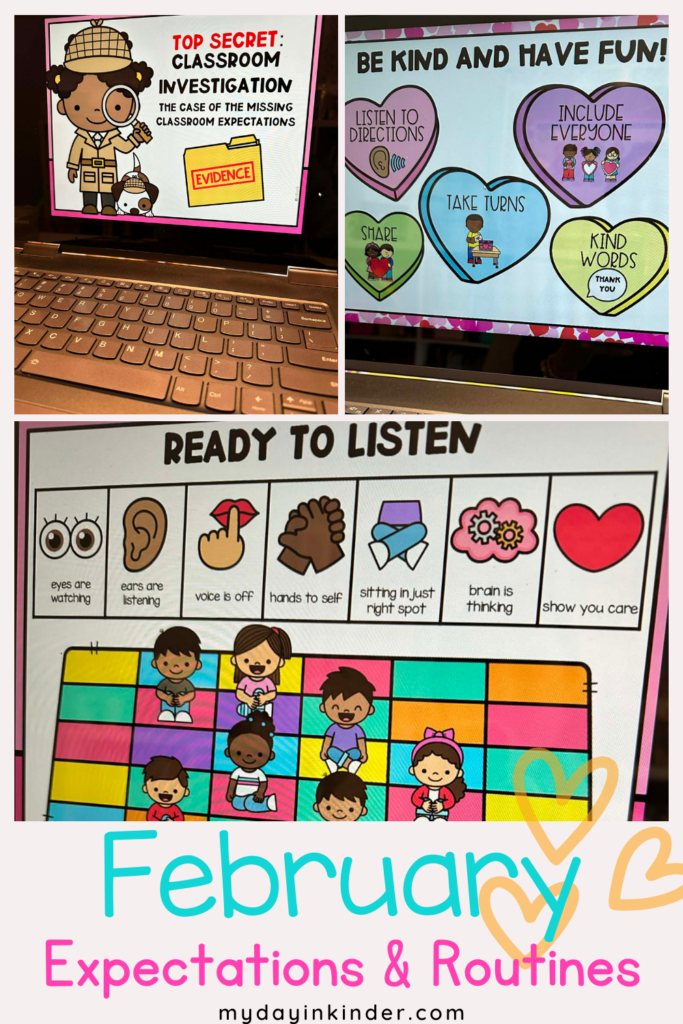
February Expectations & Routines Made Easier
February is one of those months that looks calm on the outside… but teachers know the truth. The honeymoon period of the school year is long gone, winter energy is peaking, and even the best routines can start slipping. Students are tired of being inside, attention spans are shorter, and behaviors that were handled smoothly in the fall suddenly start popping up again. Add in Valentine’s Day excitement, schedule changes, indoor recess, and random snow-day disruptions, and it’s easy for the classroom to feel a little unglued.
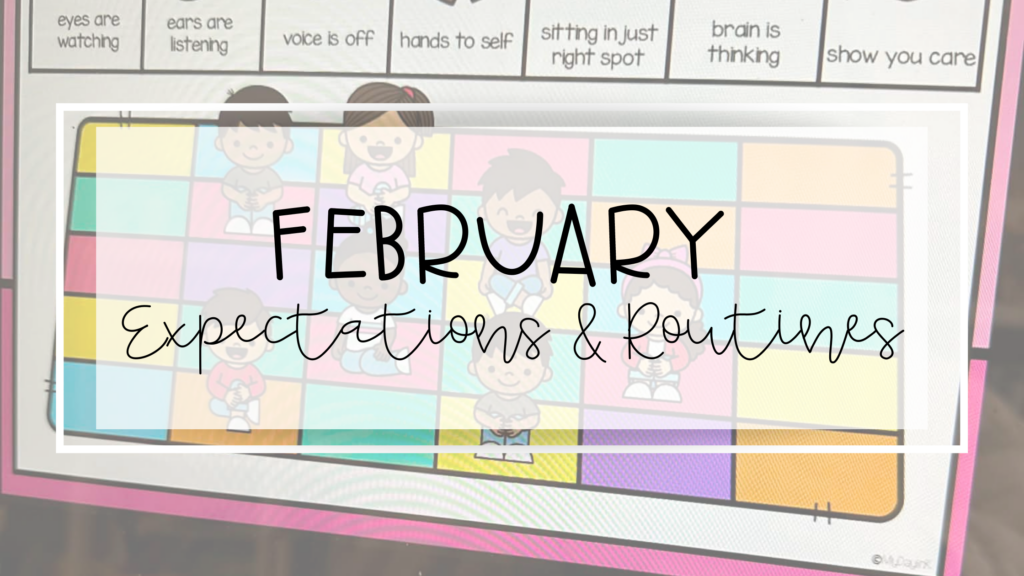
That’s exactly why having a simple, consistent way to revisit expectations can be such a game-changer. The February Expectations & Routines Review Bundle (K–1) uses a fun detective theme to help teachers reset routines and strengthen classroom behavior without turning every reminder into a big emotional moment. Instead of teachers feeling like they’re repeating themselves all day, students get clear, visual expectations that feel engaging, and honestly, a lot more fun than another “we need to talk” lecture.
Why These February Expectations & Routines Slides Are So Helpful for Teachers
Classroom management in K–1 isn’t usually about students being intentionally disrespectful. Most of the time, it’s developmental. Young learners forget routines quickly, they get distracted easily, and they need frequent reminders of what expectations look like in real time. The hard part is that teachers can spend so much energy correcting behavior that it starts to take over the day.
These slides help because they do the heavy lifting for you. They give teachers a structured way to review expectations without sounding frustrated or repeating the same directions over and over. The visuals make the expectations clear, and the language stays consistent, which is huge for young students who thrive on predictability.
Another reason these slides are so effective is that they shift the tone. Instead of relying on behavior reminders, feeling negative or reactive, they become proactive and routine-driven. Teachers can simply pull up a slide, review the expectation, and move forward. It keeps the classroom calm and helps students feel supported rather than “called out.”
Most importantly, these slides help create a classroom culture where expectations are taught like skills, because that’s what they are. Students don’t magically know how to line up calmly, work quietly in centers, or solve problems with friends. They need those routines modeled, practiced, and revisited. These slides make that process easier and more consistent.
Why the Detective Theme Works So Well in February
A detective theme might sound like a small detail, but it actually makes a big difference, especially this time of year. February can feel long, and students need something fresh to stay motivated. The detective theme adds just enough novelty to pull students in without distracting from the purpose of the lesson.
Instead of “We’re reviewing expectations again,” the message becomes something more fun and playful, like “Let’s investigate what strong choices look like.” That small shift helps students engage without getting defensive or tuning out. It turns routines into something students can do together instead of something being done to them.
It also gives teachers a positive way to frame behavior conversations. When students are struggling, the focus becomes solving the “case” of what’s going wrong and how to fix it. That’s a lot more effective than repeating directions louder and louder until everyone is stressed.
What’s Included in the February Expectations & Routines Review Bundle?
This February Expectations & Routines Bundle combines three classroom management resources that work beautifully together. It’s especially helpful because it supports both daily routines and those “special day” moments that tend to throw everything off track.
February Expectations & Routines Review Slides
These expectation and routine slides are perfect for revisiting the core expectations that keep a classroom running smoothly. They’re ideal for whole-group discussions, quick reminders before transitions, or even short “reset” moments when things are starting to feel wiggly and loud.
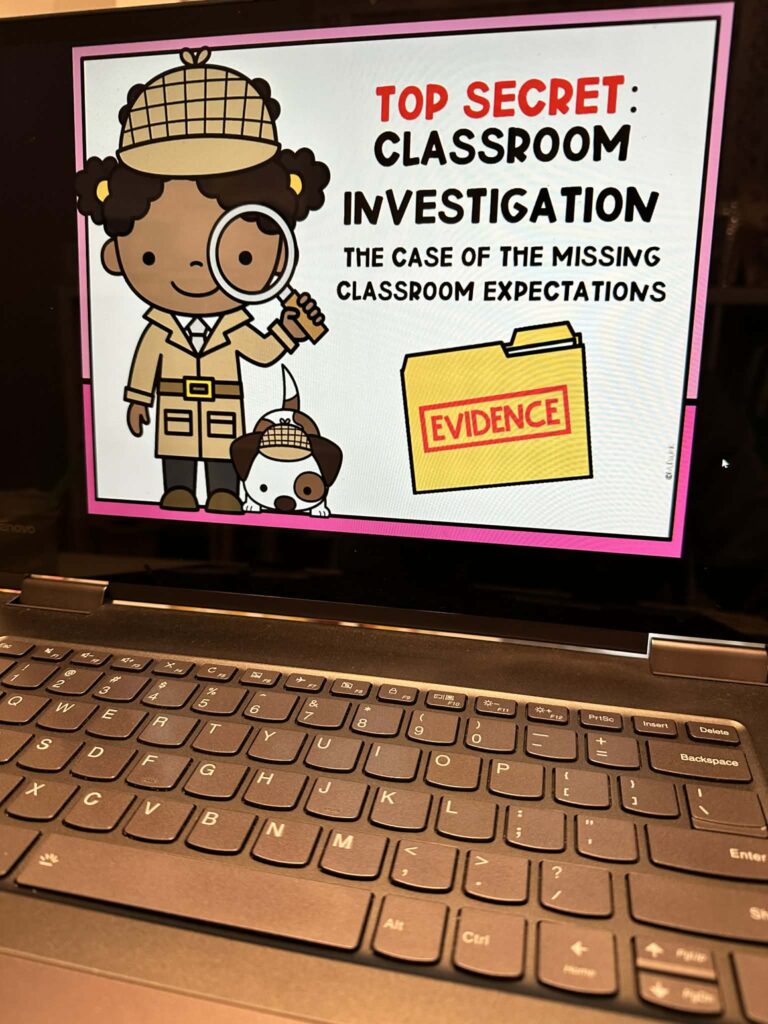
Teachers can use them to reinforce things like listening, following directions, voice levels, and behavior during learning time. Because the slides are visual and consistent, students start to internalize the expectations faster. Over time, they don’t need as many reminders because they already know what “good choices” look like in the classroom.
Valentine’s Day Routines Slides
Valentine’s Day in K–1 is adorable… but it can also be chaotic without clear expectations. Between party activities, candy, excitement, and classroom schedule changes, it’s easy for students to get overstimulated and for routines to completely disappear.
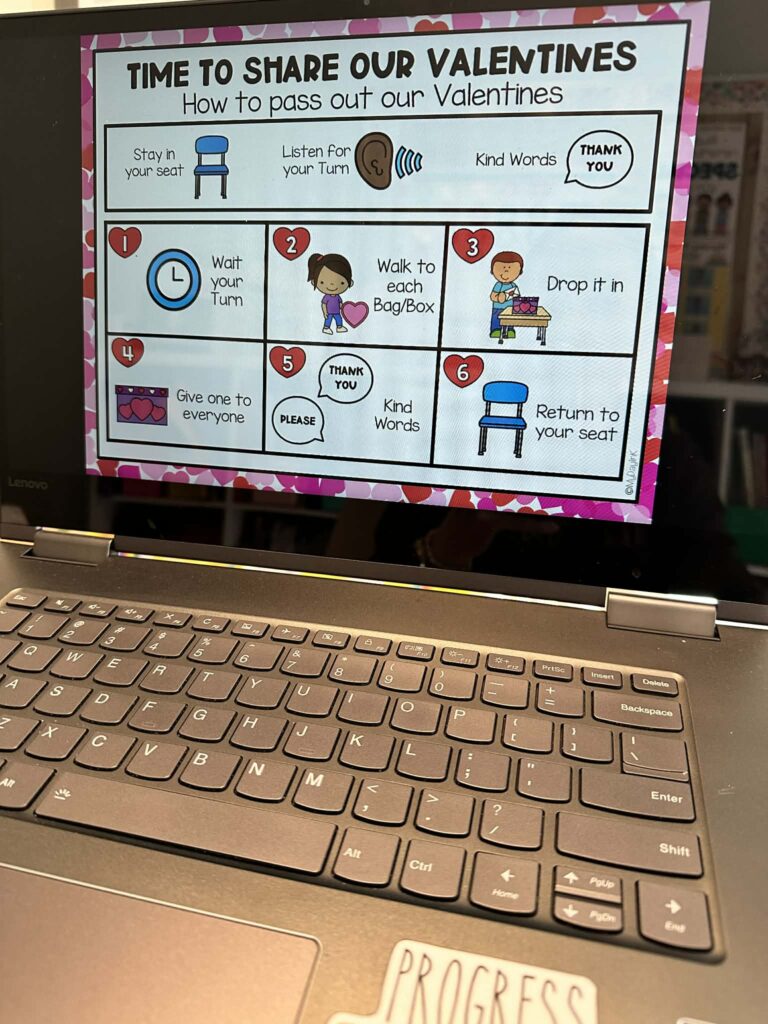
These Valentine’s Day review slides help teachers set expectations ahead of time so the day doesn’t turn into constant redirection. They support smoother transitions, better student behavior during party activities, and faster cleanup afterward. The best part is that students usually want to follow the routine when they know exactly what to do and what’s coming next.
Strong vs. Weak Choices Behavior Slides
Reviewing strong vs. weak choices is especially helpful for teaching behavior in a way that feels clear and age-appropriate. Students don’t always understand why something is a “bad choice,” especially when emotions are involved. These slides help break it down into something concrete.
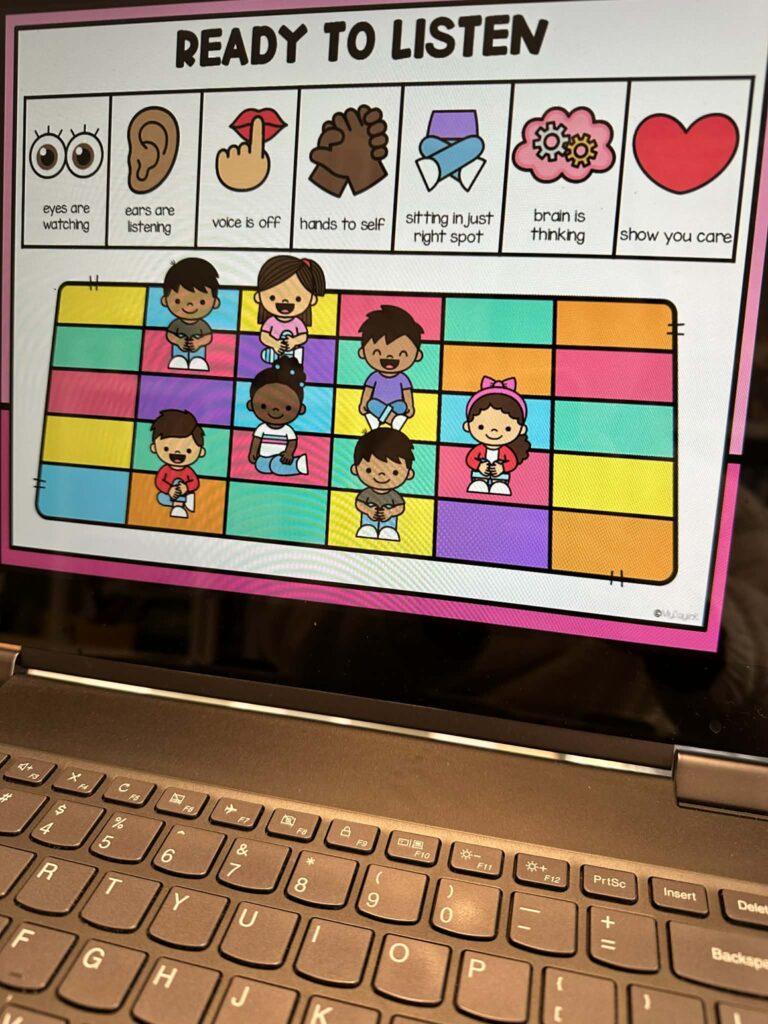
Instead of teachers saying, “Stop doing that,” students are guided to think about what strong choices look like and how to make better decisions. This supports classroom community and helps students learn the social skills that go along with learning.
When Can Teachers Use These Slides?
One of the best things about these slides is how flexible they are. They aren’t a one-time lesson that gets used once and forgotten. These slides can be used repeatedly all month long in quick, realistic ways that fit into a busy teacher’s schedule.
They work great during morning meeting or right after students arrive, especially if the class needs a calm start. Teachers can use them as a quick daily review of expectations, which helps students settle in and prepares them for learning.
They’re also extremely helpful before transitions. A lot of behavior issues happen during transitions because students aren’t sure what to do, or they’re rushing, or they’re just excited to move. Pulling up a slide before lining up, rotating centers, or heading to specials gives students a clear reminder of what’s expected.
After recess or lunch is another perfect time. Those are high-energy moments, and even students with strong self-control can struggle after unstructured time. A quick expectations slide can reset the class without wasting instructional time.
And of course, these slides are a lifesaver on days that are already “off,” like indoor recess days, schedule changes, or right before a special event. Teachers don’t have to scramble for the right words. The slides provide the structure and language students need.
Here are a few simple ways teachers can plug them in:
- A 2–3 minute expectations review at the start of the day
- A quick slide before centers or small groups
- A reset after recess, lunch, or indoor recess
- A routine preview before Valentine’s Day activities
- A reflection tool after a tricky moment
Why February Is the Perfect Time for a Routine Reset
February is the month when routines can quietly fall apart if teachers don’t stay ahead of them. It’s not because teachers aren’t doing a good job. It’s because the season is hard. Winter is long. Kids are restless. Teachers are tired. It’s normal.
A small reset in February can make the rest of the year run so much more smoothly. Reviewing expectations now prevents more serious behavioral problems later. It also makes learning time more productive because teachers aren’t constantly stopping to redirect.
Even just using these slides a few times a week can help students stay grounded in routines and feel more confident in what’s expected of them.
Ready to Make February Feel More Calm and Consistent?
If classroom routines are starting to slip, behaviors are getting louder, or February just feels like it needs a reset, this bundle is an easy way to bring structure back without adding more work to your plate. The detective theme keeps students engaged, and the clear expectations help teachers spend more time teaching and less time managing constant interruptions.