Helping Primary Students Reset After Winter Break with January Routine Review
January hits different in a K–1 classroom. The kids come back taller (somehow), louder (definitely), and convinced that rules were just a December thing. Even your students who had routines down before break suddenly forget how to line up, listen, or use an inside voice. This is exactly why a January routine review matters.
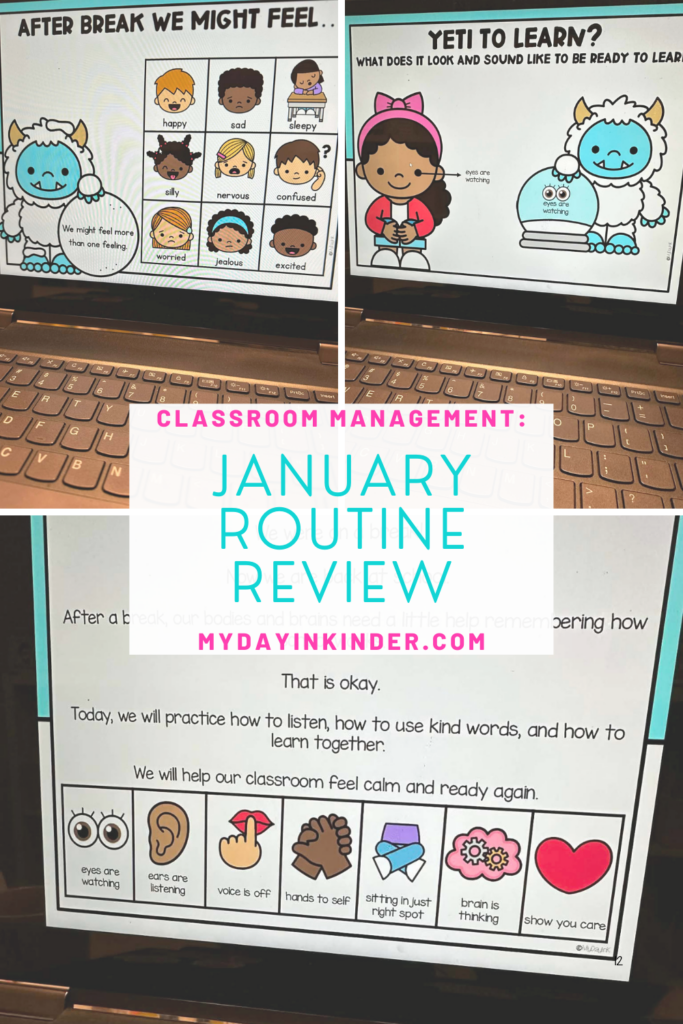
Instead of jumping straight back into academics, taking time to reteach expectations helps everyone breathe a little easier. Think of it as pressing the reset button, not because students were “bad,” but because they’re human and winter break is basically routine amnesia.
Why January Is the Perfect Time to Review Routines
After time away from school, students need:
- Clear reminders of what classroom expectations look like
- Opportunities to talk about feelings, transitions, and routines
- Gentle practice with routines before expectations ramp back up
A strong January routine review sets the tone for the entire second half of the year. When expectations are clear, behavior improves, and learning follows.
Key Areas to Focus On During a January Routine Review
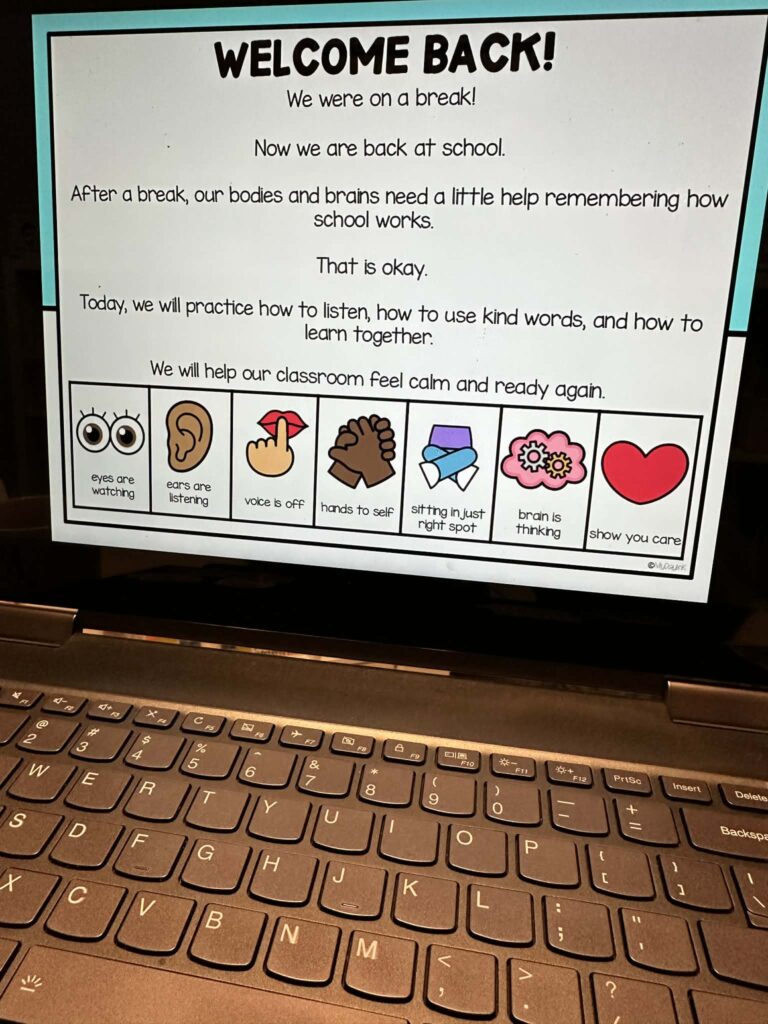
Listening Expectations
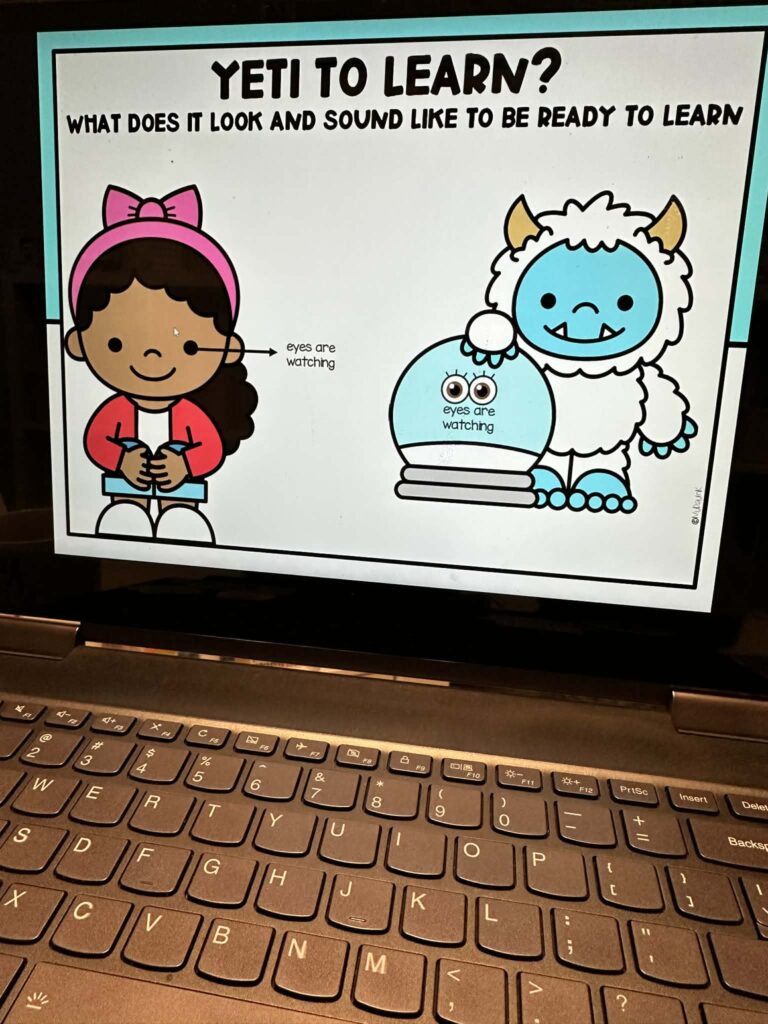
Start with the basics. What does listening look like on the carpet? During lessons? When friends are talking? Modeling and discussing listening behaviors helps students reconnect with expectations they already know, they just need the reminder.
Visual examples and simple discussions work especially well with younger learners who need to see what listening looks like, not just hear about it.
Voice Levels (Yes, We’re Doing This Again)
January is prime time for revisiting voice levels. Students have spent weeks in louder environments, so it makes sense that their volume control needs a refresh.
Talking through different classroom scenarios, partner work, whole group, and hallway transitions helps students understand when and why different voice levels matter. Bonus points if you let them act it out.
Talking About Feelings After Break
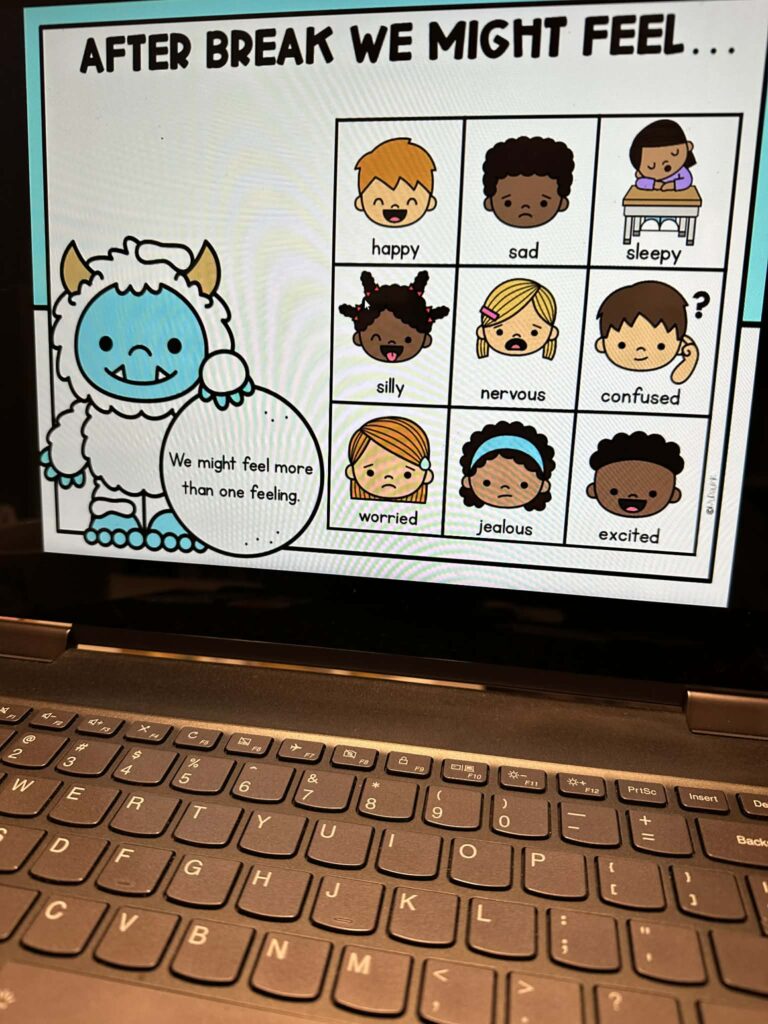
Not every student comes back ready to jump into routines. Some are tired, emotional, or overstimulated. A successful January routine review makes space for that.
Discussing feelings and coping strategies helps students:
- Recognize their emotions
- Learn appropriate ways to handle frustration
- Feel supported instead of “in trouble”
This small step can make a huge difference in behavior and classroom climate.
Rebuilding Kindness and Classroom Community
Kindness often needs a refresher in January. Students have been in different environments, and their social skills can get rusty.
Revisit what kindness looks like in the classroom:
- How we talk to friends
- How we help each other
- How we respond when someone makes a mistake
These conversations help rebuild a sense of community and belonging after time apart.
Interactive, Low-Pressure Activities
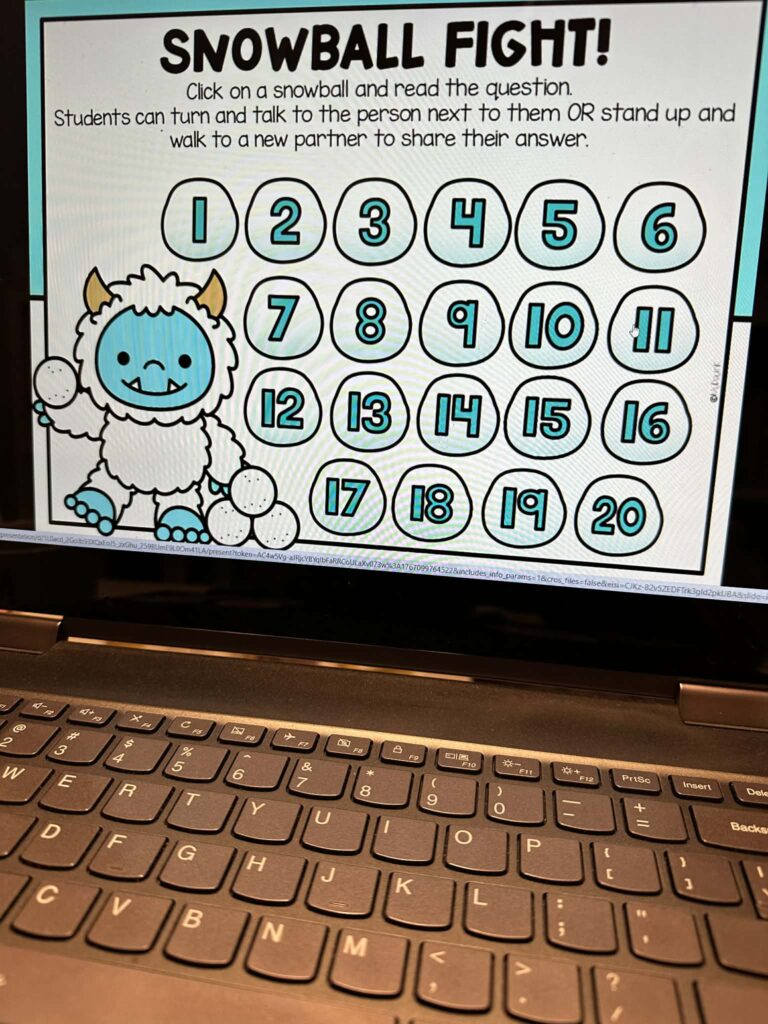
January routine review doesn’t have to be a lecture. Interactive activities, like movement-based discussions or whole-group games, keep students engaged while reinforcing expectations.
Community-building activities that involve teamwork and discussion help students practice routines in a way that feels fun instead of corrective.
Making January Routine Review Easy on You
The best routine reviews are:
- Short and consistent
- Visual and discussion-based
- Spread out over several days instead of crammed into one
Many teachers find it helpful to use ready-made discussion slides or visual prompts during morning meetings or transitions to review expectations naturally throughout the day without reinventing the wheel.
A thoughtful January routine review isn’t about starting over; it’s just about reconnecting. When students know what’s expected and feel supported, behavior improves, and learning becomes smoother for everyone.
January may feel chaotic, but with clear expectations, open conversations, and intentional routine practice, your classroom can settle back into a rhythm that actually works.
And honestly? Future-you in February will be very grateful you took the time now.