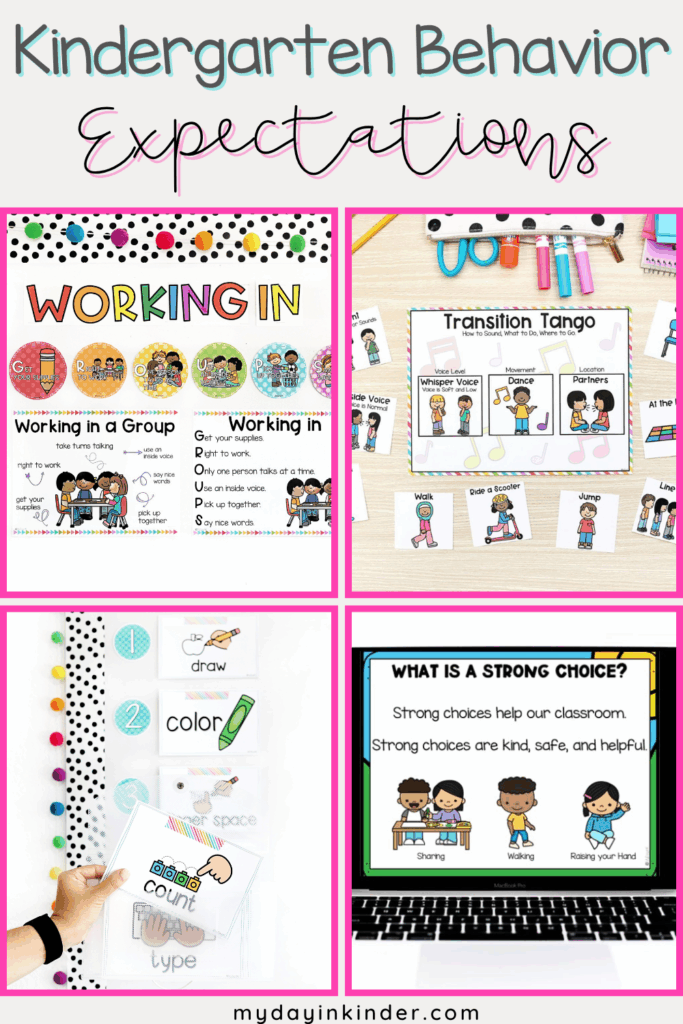
After the Dust Settles: Reinforcing Kindergarten Behavior Expectations
The whirlwind of the first month of school is finally starting to settle. You’ve survived the chaos of new faces, new routines, and the endless learning curve that comes with those first few weeks in kindergarten. You’ve navigated the excitement, the first-day jitters, and maybe even a few meltdowns (from students and possibly yourself!). Now comes a crucial phase: reinforcing your kindergarten behavior expectations and tightening up those routines. This is the time when all that hard work you did in August or September gets a tune-up, so your classroom runs smoothly for the rest of the year.
Trust me, it’s totally normal for routines to feel a little wobbly at first. Kids are still figuring out how to navigate the classroom, and honestly, so are we! But now that the dust has settled, it’s time to reflect, refresh, and reinforce, without shaming or stressing anyone out.
How to Know When Your Routines Need a Tune-Up
Even if you spent the first weeks setting clear kindergarten behavior expectations, there are always signs that some routines need a little extra attention. And here’s the thing, kids don’t “forget” on purpose; they just need more practice.
Watch for these signs:
- Students forgetting the line-up procedure or wandering during transitions
- Increased off-task behavior or interruptions during instruction
- Struggles with following directions on the first ask
- Resistance to cleaning up or putting materials away
Sometimes the signs are subtle, like that one table that always takes 30 seconds longer to get ready for lunch, or they’re loud and clear, like the class suddenly turning into a mini flash mob during carpet time.
If these or other challenges pop up, don’t panic. It doesn’t mean you’ve “lost control.” It just means it’s time for some consistent reteaching and gentle reminders so your classroom management in kindergarten stays strong.
Reinforcing Expectations Without Shame
Here’s the secret: kids learn best when they feel safe and supported, not embarrassed or “called out.” In kindergarten, public correction often backfires. It can cause kids to shut down or feel anxious. When routines start slipping, approach reteaching as a positive, community-building moment rather than a punishment.
Try this:
- Use phrases like, “Let’s all practice this together again,” or “Remember how we line up quietly like superheroes?”
- Make it interactive and fun—turn reteaching into a quick game or challenge, such as “Let’s see if we can all clean up before the music stops!”
- Highlight and praise kids who are following expectations to set a positive example. “I see that Maya is standing quietly with her hands to herself. That’s exactly what we need in line.”
- Avoid singling out individuals publicly; instead, use gentle, private reminders when needed.
One of my favorite strategies is the “reset and try again” approach. If a transition is chaotic, I’ll say in a cheerful voice, “Oops! I think we can do that even better. Let’s go back and try it again, this time, let’s make it a ‘ninja walk’ to the carpet.” It keeps the tone light while still getting us back on track.
The Power of Consistency in Classroom Management Kindergarten
Consistency is your best friend here. When expectations and routines are reinforced daily, kids know exactly what’s expected and feel more secure. Think of it like watering a plant, if you do it regularly, it thrives. Skip it too many days, and things start to wilt.
Some ways to keep consistency strong:
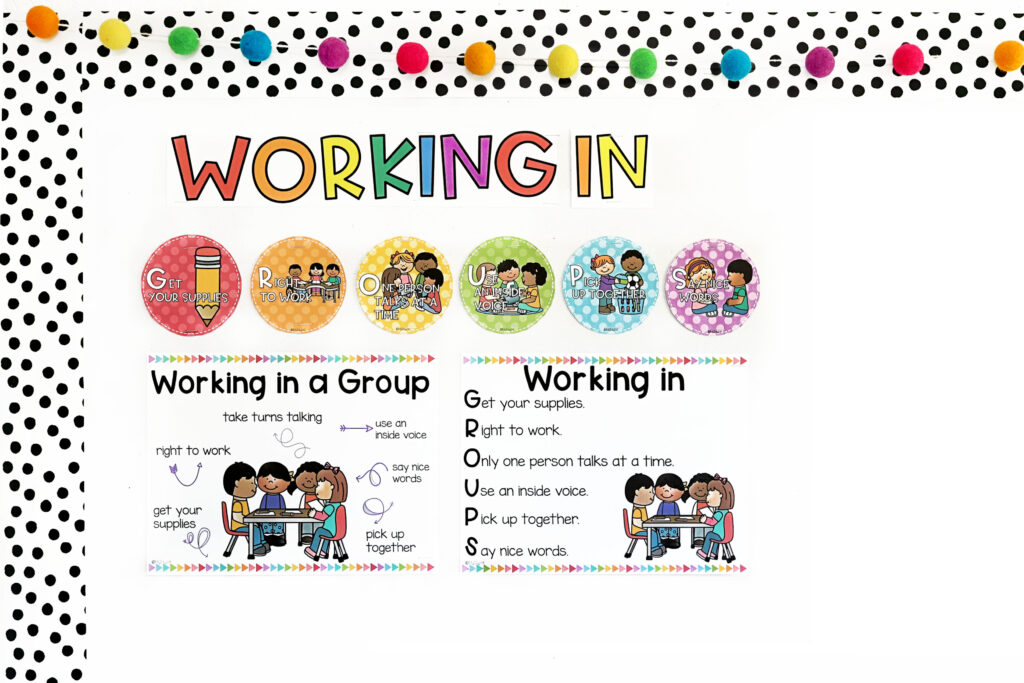
- Post clear, simple rules and routines where everyone can see them. Use visuals for non-readers.
- Use the same language and signals for transitions and behavior expectations every day. Kids learn faster when your wording is consistent.
- Celebrate successes– even small wins. If your line to recess was the best it’s been all week, take 10 seconds to point it out and cheer for the class.
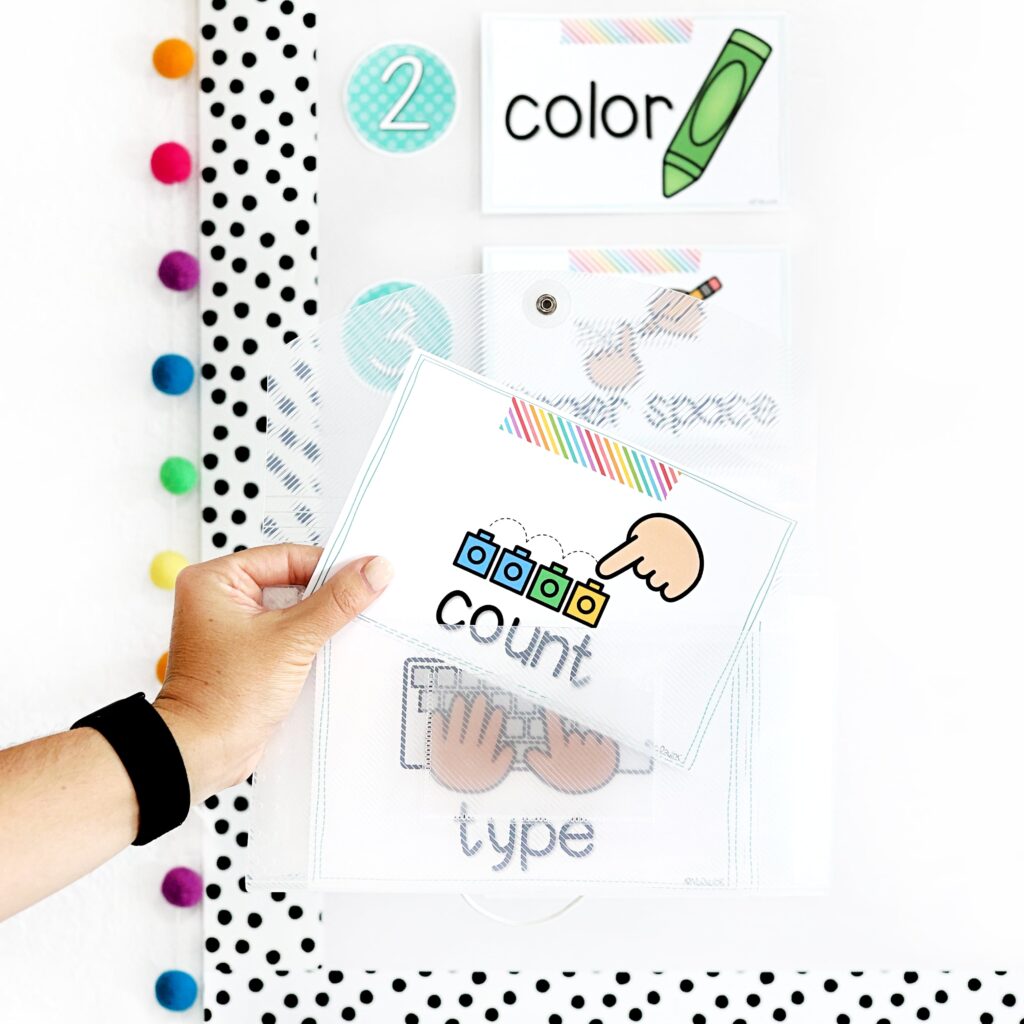
Remember, kindergarteners thrive on routine because it helps them feel safe and confident. Consistency also makes it easier for you, you’re not reinventing the wheel each day, and your expectations become automatic for the kids.
Mini Reteaching Week Plan for Kindergarten Behavior Expectations
After the first month of school, routines and expectations can start to feel a little “loose” for our kinders. That’s completely normal, they’ve been learning so much and adjusting to new environments! This Mini Reteaching Week Plan is designed to gently and positively reinforce key kindergarten behavior expectations in bite-sized chunks each day. The focus is on connection, clarity, and consistency, without singling anyone out or shaming. Each day builds community, refreshes skills, and helps students feel confident in making positive choices.
Day 1 – Listening & Following Directions
- Review what it means to be an active listener (eyes watching, ears listening, body still).
- Model good vs. poor listening behavior and let students act out examples.
- Practice by giving multi-step directions and having students follow them.
Day 2 – Personal Space & Respect for Others
- Discuss personal space using clear visuals or a hula hoop activity.
- Talk about respecting others’ belongings, work, and feelings.
- Practice scenarios (lining up, sitting on the carpet, working in pairs).
Day 3 – Transitions & Voice Levels
- Review hallway, clean-up, and activity-switch expectations.
- Practice each transition as a group with a timer to set goals.
- Reinforce voice levels for different situations (silent, whisper, table talk).
Day 4 – Kindness & Problem-Solving
- Teach how to use kind words, tone, and manners.
- Introduce or review problem-solving steps (Stop → Think → Choose).
- Role-play solving small disagreements in respectful ways.
Day 5 – Responsibility & Self-Management
- Celebrate progress with a class reflection and recognition of improvements.
- Review turning in work, keeping areas tidy, and being prepared.
- Discuss managing emotions and making good choices without reminders.
Back to School – Strong vs. Weak Choices Digital Slides
As you reinforce routines and boost classroom culture in the weeks ahead, having tools that make behavior expectations clear, and engaging, can make your life so much easier. That’s where the Back to School: Strong vs. Weak Choices Digital Slides shines.
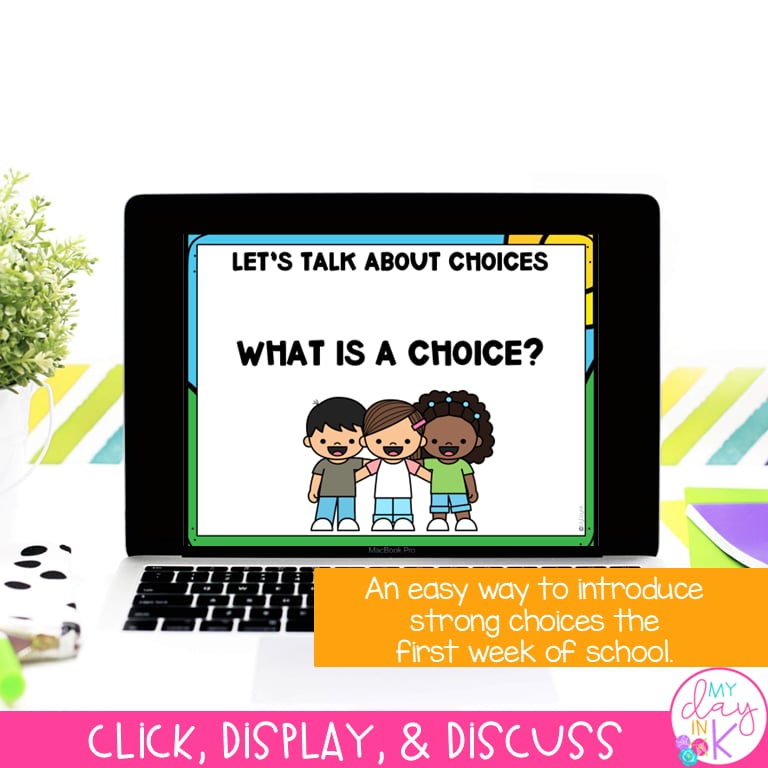
Crafted for Kindergarten, Preschool, and First Grade, this resource introduces the concept of strong vs. weak choices in a playful, visual way using real classroom scenarios. Kids learn to spot the difference between using a quiet voice, staying on task, or showing kindness (strong choices) versus behaviors like yelling, running inside, or not listening (weak choices).
Why This Fits Perfectly with Reteaching
- Kid-friendly visuals and language: Scenarios are relatable and easy for early learners to understand, helping reinforce expectations without lectures.
- Multi-format usability: Use the digital slides for whole-class discussions, or tap into the printables, like sorting activities, coloring pages, and a voice-level chart, for hands-on learning and small-group reteaching.
- Built-in flexibility: Great for reteaching in the first month, refreshing routines after a break, or anytime routines start slipping.
- Home–school connection: Includes a home connection letter so families can reinforce the same language and expectations at home, a powerful way to support consistency.

Grab the Strong vs. Weak Choice FREEBIE HERE!
How to Use It in Your Reteaching Week
For instance, in your Mini Reteaching Week, you could:
- Day 1 (Listening & Following Directions) – Use the Strong vs. Weak Choices Digital Slides to show a listening scenario. Ask students to decide if it’s a strong or weak choice, then model what the strong choice looks like in real life.
- Day 3 (Transitions & Voice Levels) – In small groups, use the sorting activity from the resource to match pictures with “strong” or “weak” choices for moving between activities and using the correct voice level. Discuss how to turn weak choices into strong ones.
- Any Day – Send the included home connection letter along with your reteach plan so families can use the same “strong vs. weak” language at home, reinforcing consistency.
By adding this resource to your toolbox, you’re giving students a clear, consistent framework, and fun visuals, to help them understand and commit to positive behaviors. Classroom management becomes less about nagging and more about shared language, expectations, and reflection.
FAQ: Reinforcing Routines in Kindergarten
Q: How often should I reteach routines?
A: As often as needed! In kindergarten, reteaching is part of the job. Don’t wait until things are completely off-track—if you see a dip in behavior, revisit expectations right away.
Q: What if one or two students still don’t follow the rules?
A: Address it privately. Give those students extra practice, model the behavior with them, and use positive reinforcement when they get it right. Sometimes, they just need more repetition or a quieter setting to practice.
Q: How can I reteach without it feeling like starting over?
A: Frame it as a “refresher” or “challenge.” Say, “We’re already great at this—let’s see if we can do it even faster/quieter/more focused than before!”
Q: Is it too late to change a routine if it’s not working?
A: Never. If something isn’t working, tweak it. Just explain the change clearly, practice it together, and stick with the new version consistently.
Q: How do I keep reteaching from feeling boring?
A: Change up the delivery—use music, visuals, role-play, or games. The content stays the same, but the format can keep things fresh and engaging.
Ready to Take Your Classroom Management to the Next Level?
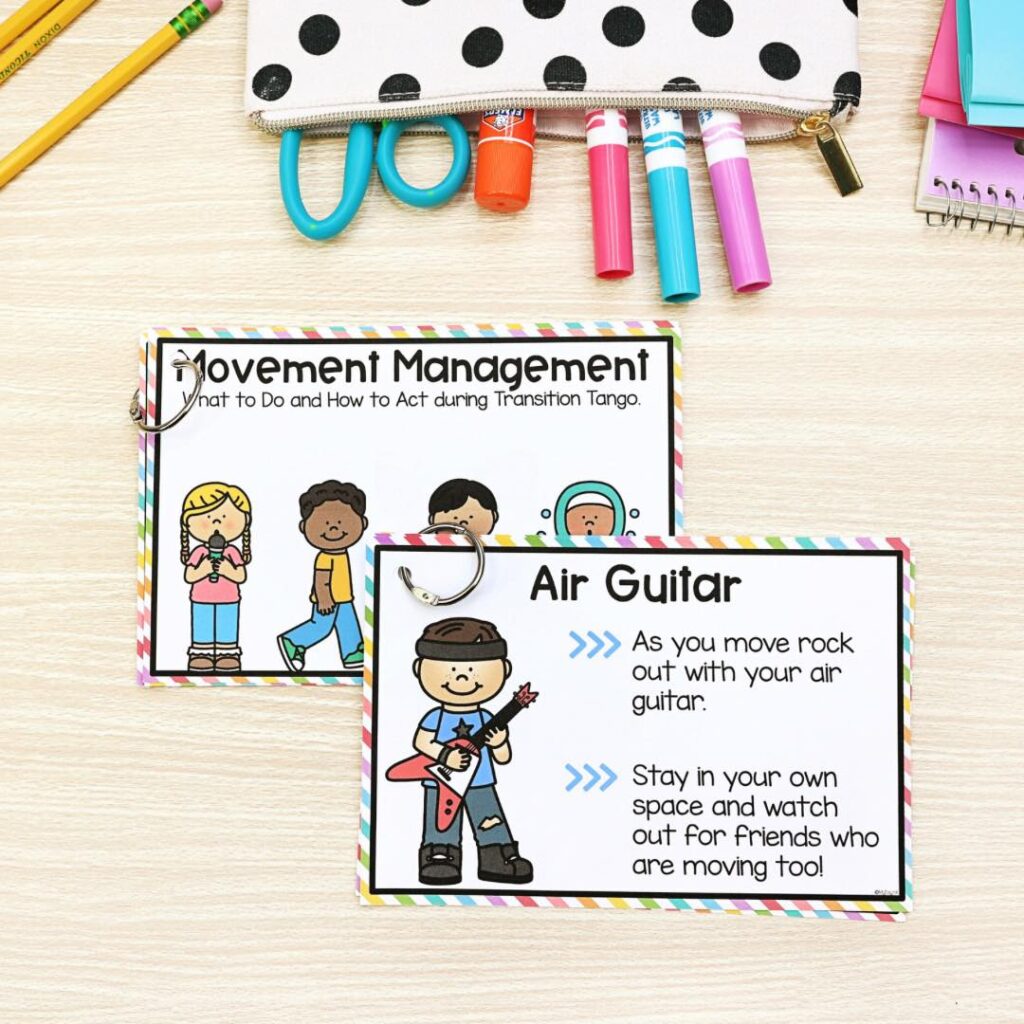
If you want some ready-made tools to help reinforce those routines and kindergarten behavior expectations, I’ve got you covered! Check out my Classroom Procedure Visuals & Management Routines, designed to make managing your kindergarten classroom easier and more effective.
You’ll get visuals, cues, and interactive activities to make reteaching expectations a breeze, plus, they save you from having to come up with ideas on the fly.