
How to Turn a Rough Start to the School Year Into a Smooth One
We’ve all been there. You head into the new school year full of energy, ready to set up your classroom or routines at home, only to feel like everything is slipping sideways by September. Maybe your students are struggling with behavior, maybe routines just aren’t sticking, or maybe your own stress is spilling over into the classroom (or home). The good news? A rough start to the school year doesn’t mean the rest of the year is doomed. With the right steps, you can reset and build a smoother path forward.

Simple Steps to Smooth Out a Rough Start to the School Year
If your school year has started off bumpier than you hoped, you’re not alone. Many teachers and parents face a rough start to the school year, but the good news is that it’s never too late to turn things around. With a few intentional steps, you can shift the energy, reset routines, and create a smoother, more positive path forward.
Step 1: Acknowledge and Reset
The first step is recognizing that things aren’t working the way you hoped. That’s not failure. It’s awareness. Take a moment to breathe and hit the “reset button.” Kids can sense when adults are stressed, so showing them that you’re willing to pause and try again teaches resilience.
Tip for Teachers: Try holding a class meeting where you openly talk about what’s been tricky so far and brainstorm solutions together. Students love having ownership in the reset process.
Tip for Parents: Have an after-school conversation with your child about what feels hard at school. Listen first, then brainstorm together what could help.
Step 2: Revisit Expectations and Routines
Often, a rough start to the school year stems from routines that aren’t fully established or expectations that aren’t clear enough. Kids need repetition and practice before routines become automatic. If things feel off track, don’t be afraid to pause and reteach.

For Teachers: Go back to the basics. Line up, transitions, turning in work, or using supplies. Model the routine step by step, practice it as a class, and then reinforce with praise when it’s done correctly. Treat it like the first week of school again, even if it’s in October. Consistency will help students feel secure and confident.
For Parents: Create simple, consistent routines at home for mornings, homework time, and bedtime. Visual checklists or picture charts can help younger children stay on track without constant reminders. Practicing the steps together builds independence and reduces stress for everyone.
Step 3: Focus on Relationships
Sometimes, a rough start to the school year has less to do with routines and more to do with connection. Kids are more motivated to learn and follow expectations when they feel valued and understood. Building strong relationships early on can shift the entire tone of the year.
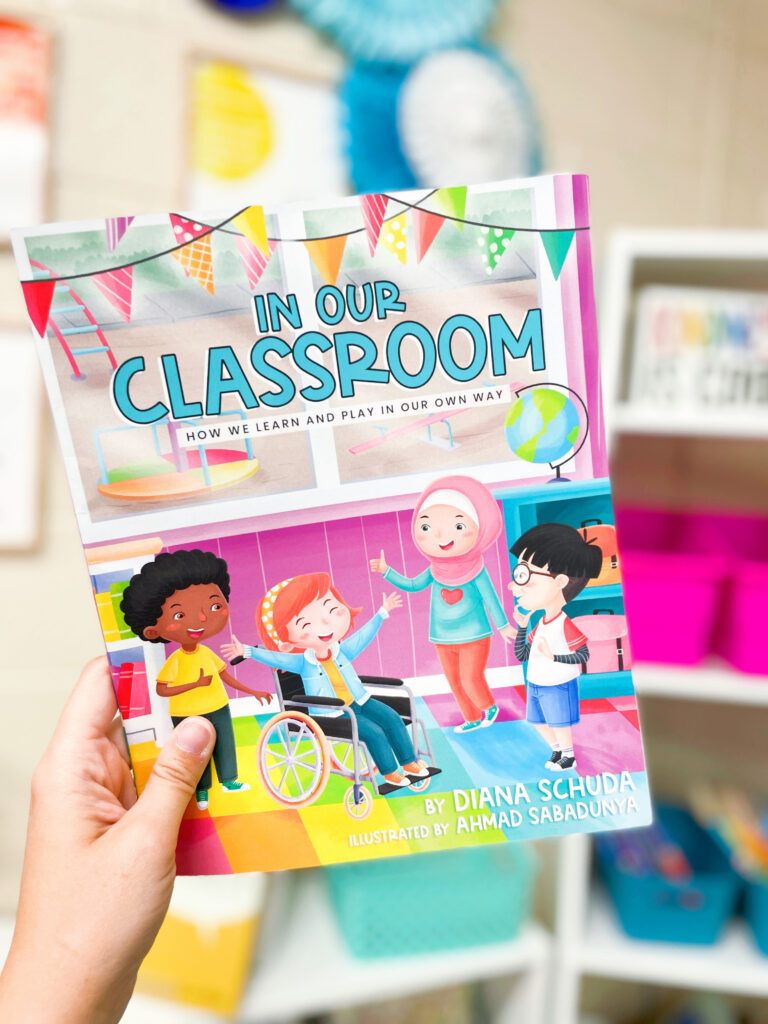
For Teachers: Take time to connect with each student every day, even if it’s just a smile, a greeting at the door, or a quick conversation about their interests. Class meetings, partner games, or “get to know you” activities can also rebuild community. Students who feel seen are far more likely to respond positively to your classroom expectations.
For Parents: Make space for genuine conversations about your child’s school day. Instead of “How was school?” ask specific questions like, “Who did you sit with at lunch?” or “What was the most fun thing you did today?” These small check-ins build trust and make it easier for kids to share when something is hard.
Step 4: Break Goals Into Small Wins
Trying to change everything at once is overwhelming for kids and adults. Instead, focus on small, manageable goals that you can celebrate along the way. Small wins create momentum, and momentum creates lasting change.
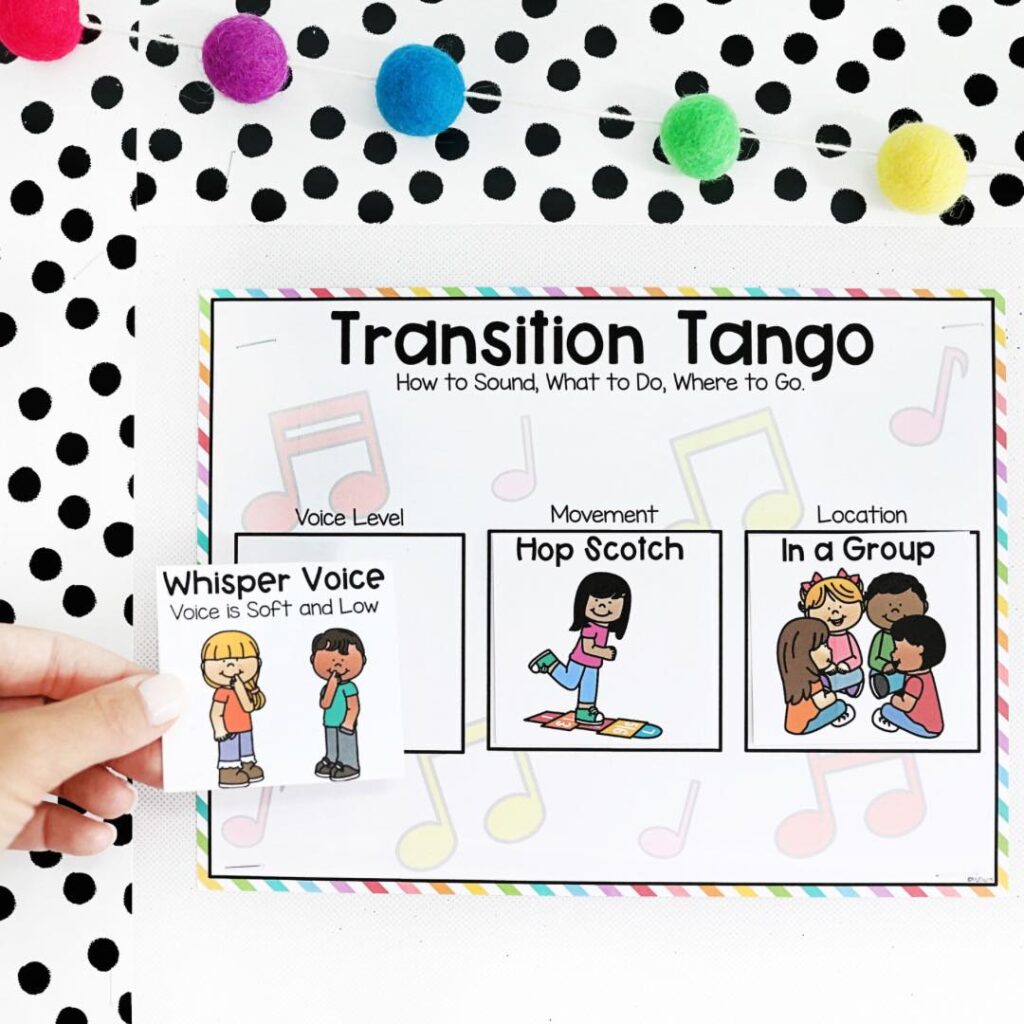
For Teachers: Choose one or two focus areas each week, such as smoother transitions or better focus during independent work time. Track progress with the class and celebrate improvement together. It could be as simple as extra recess minutes or a class shout-out.
For Parents: If mornings are tough, set just one small goal, like having the backpack packed the night before. Once that becomes a habit, add another step. Celebrate progress, even if it feels small, because it shows your child that change is possible.
Step 5: Take Care of Yourself, Too
It’s nearly impossible to guide kids through challenges if you’re running on empty. A rough start to the school year can be exhausting, but taking time for a little self-care isn’t selfish. It’s necessary. Children learn resilience not just from what we say, but from what we model.
For Teachers: Set boundaries around work time and personal time. Allow yourself to step back and recharge with something you enjoy outside of school. A calmer, more centered teacher sets the tone for a calmer classroom.
For Parents: Give yourself grace. Parenting through a rough patch can feel overwhelming, but remember that your patience and consistency are what your child needs most. Even a few minutes of quiet time for yourself can make a big difference in how you show up for your child.
A rocky beginning doesn’t define the rest of the year. With a little reflection, consistent routines, and a focus on connection, you can turn things around. Remember: every day is a fresh chance to reset.