Prepping for Peace: 5 Must-Do Tasks Before Back to School
It’s June. You’re finally exhaling after a marathon of report cards, field day chaos, and end-of-year hugs. So the last thing you probably want to think about is next year. But hear me out—June is actually the best time to lay the groundwork for a smooth, peaceful return in the fall and back to school time.

You’re not knee-deep in classroom messes or running on fumes. You have just enough mental energy to set intentions and prep the systems that matter most: classroom routines and behavior management. And doing that now? It saves you so much time and stress later.
Why June is the Secret Weapon for a Calm Classroom Start
Here are five simple but powerful tasks you can tackle now that will have you walking into your classroom in August feeling cool, collected, and ready for anything, without the usual last-minute scramble. Think of this as your quiet summer reset: a chance to prep with purpose, avoid the chaos, and start the school year with a clear plan (and maybe even a little extra coffee time).
1. Map Out Your Top 3 Routines to Teach on Day One
Before you touch a label maker or start scrolling for bulletin board inspo, pause and ask yourself:
What are the three routines my students absolutely must know to function independently in our classroom?
Think of these routines as your classroom’s foundation. If students don’t know how to enter the room, unpack, or move between activities, chaos will take over. So, pick three routines that directly impact your daily flow.
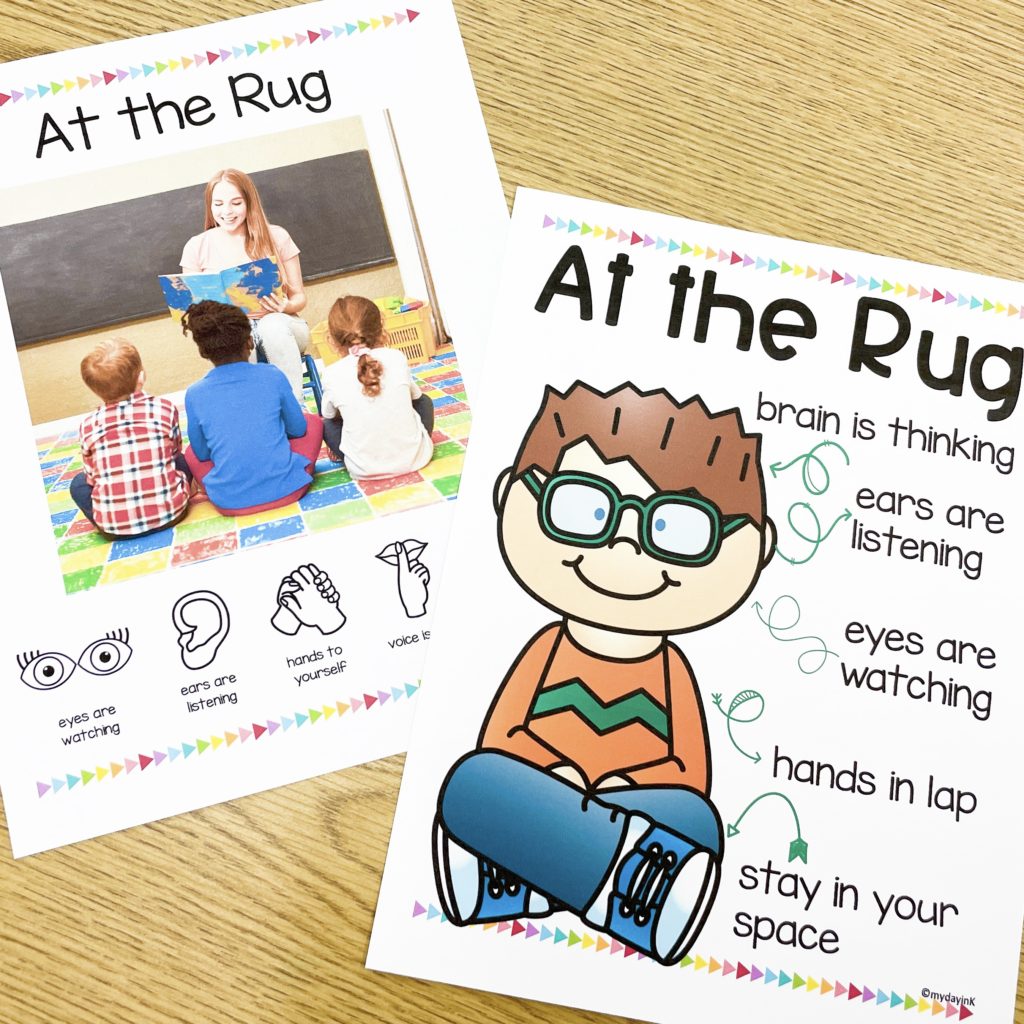
A few common examples:
- Arrival routine: How do they come in? Where do they put their backpack? What should they do first?
- Bathroom procedures: How do they ask? What’s the signal? Do they need a pass?
- Transition expectations: What does it look and sound like when we move from the carpet to tables?
Once you’ve identified these, write out a plan for how you’ll model, practice, and review them during the first week. Script what you’ll say. Plan a few role plays or picture books to help teach them. Your first day will go smoother, and you’ll be less likely to feel like you’re herding cats.
2. Create Your Calm Corner (or the Visuals That Go With It)
Even the most well-behaved class will have big feelings, especially in the first few weeks of school. That’s why a calm corner or reset area is one of the most important classroom spaces you can create. And no, it doesn’t have to be Pinterest-perfect.
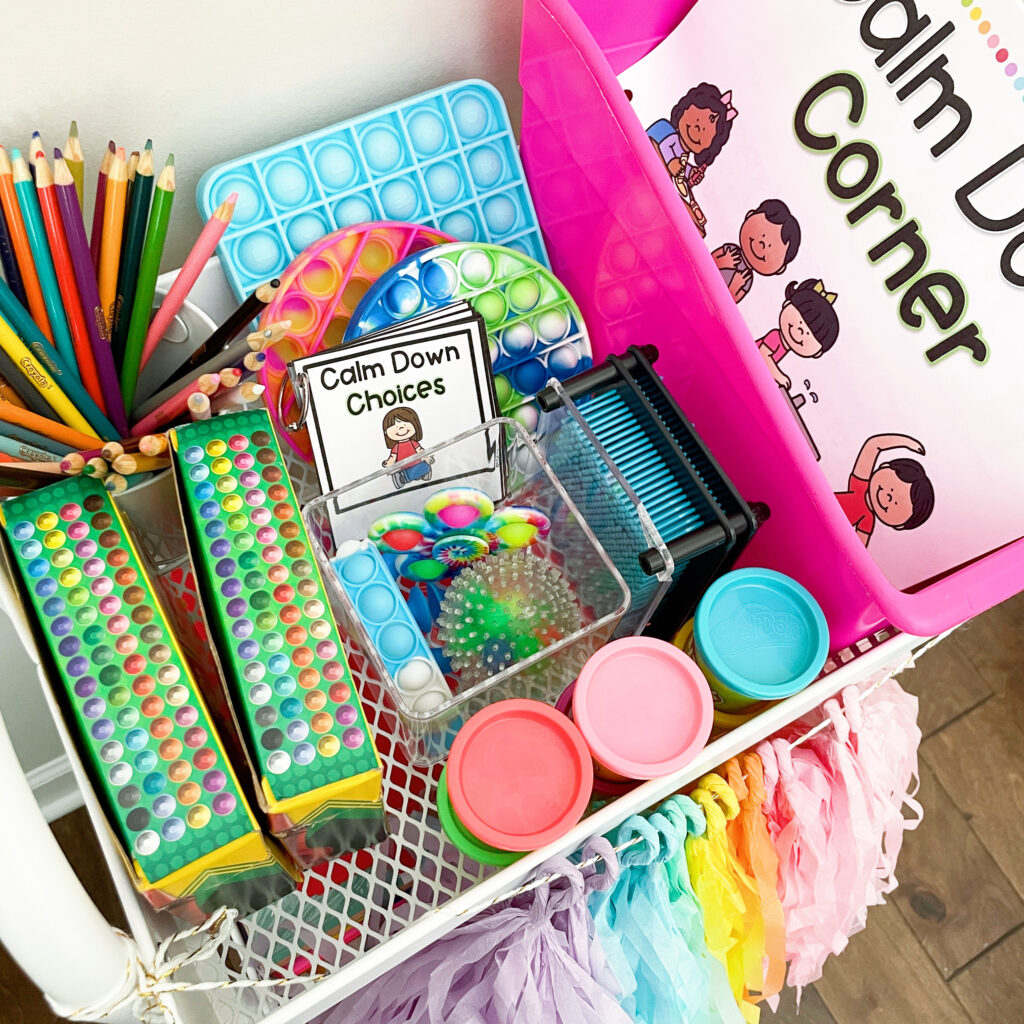
Start simple:
- Choose a quiet corner of the room or a cozy nook with a rug or soft seating.
- Prep a few calm-down visuals like breathing strategies, feelings charts, or a simple emotion wheel.
- Add a few tools: a timer, a glitter jar, some soft fidgets, or coloring pages.
- Most importantly, prep a visual or social story for how students should use this space appropriately.
Can’t set it up yet? No problem. Use June to laminate visuals, print out a mini feelings chart, and gather a few items in a bin. That way, you can just plug it into your room when it’s time, and you’re not scrambling mid-September when someone is crying because they dropped their crayon.
3. Set Up a Classroom Management Binder
This might sound boring, but trust me, your classroom management binder will be your best friend. It keeps everything related to student behavior, communication, and support in one place, so you’re not digging through piles when you need documentation now.
Here’s what to include:
- Behavior tracking sheets (daily or weekly)
- Parent contact log with dates, topics discussed, and next steps
- IEP/504 behavior notes so you can quickly reference accommodations
- Blank documentation templates for unexpected behaviors or daily reflections
- Behavior charts, visuals, or incentive systems you’ll use during the year
You can also add a section for classroom data trends—great for RTI or if you want to notice patterns before they become big problems. Spend 30 minutes in June setting this up, and you’ll be ready to go when the first behavior email hits your inbox in September.
4. Build Your First Week Slide Deck or Routine Posters
The first week of school is beautiful, chaotic, and let’s be honest, kind of exhausting. Having a slide deck or routine visuals ready to go is like having your favorite playlist cued up before a big road trip. It guides you, grounds the class, and saves your voice.
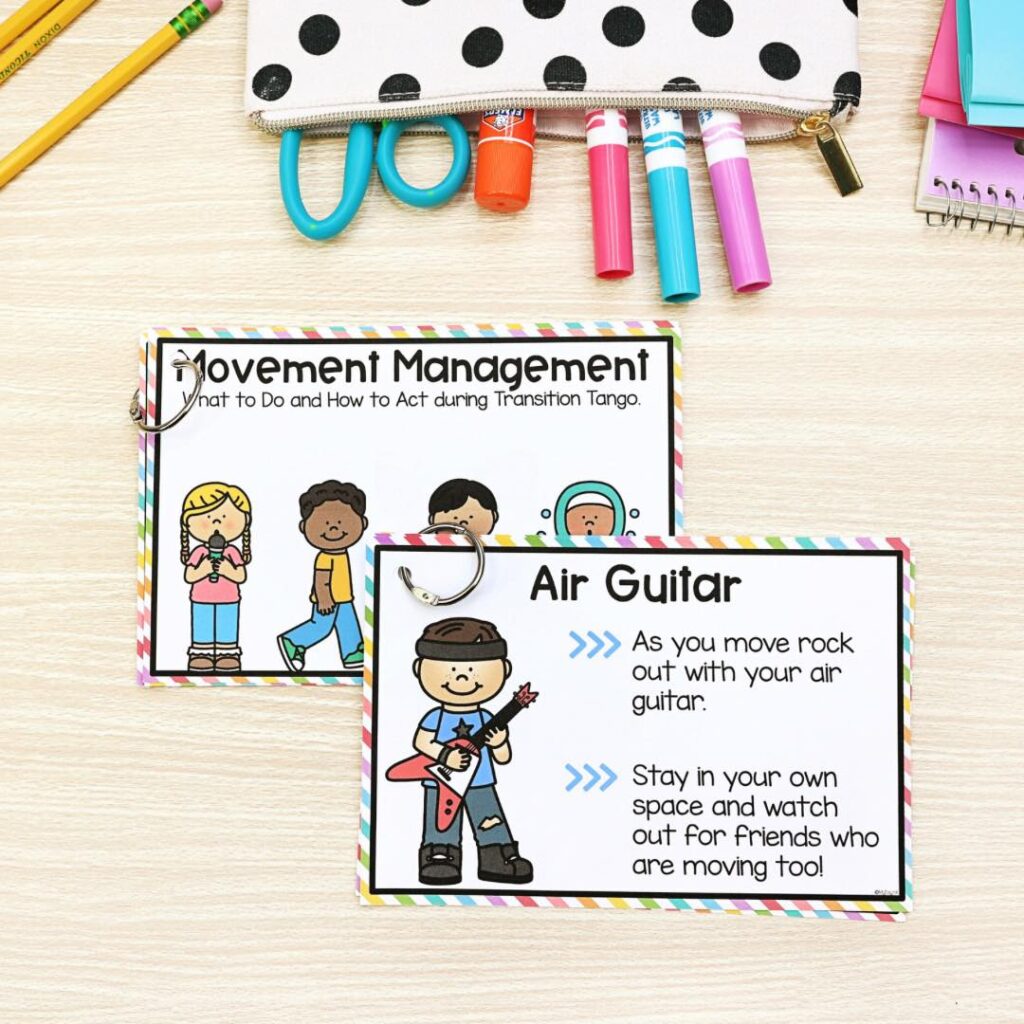
Your first week slides might include:
- A welcome message and class introduction
- Your daily schedule (with pictures!)
- Key routines like how to clean up, line up, and raise a hand
- Attention-getting cues and transitions (think: “1-2-3 Eyes on Me!” or a chime)
- Morning jobs, rotation charts, or “what to do when I’m done” reminders
- Class rules or community values (more on that below!)
These classroom visuals don’t need to be fancy. Choose calm visuals, kid-friendly fonts, and consistent icons or images. If you prefer physical posters, use the same structure. Having this system in place means less explaining and more learning time.
Pro tip: Save this file to reuse every year. Just tweak the names and update any changes, and you’re good to go!
5. Choose Your Class Rules & Plan How You’ll Teach Them
Let’s talk rules, but let’s keep it simple. You don’t need a long list of dos and don’ts. What you do need are 3–5 clear, positively stated expectations that can be taught, practiced, and reinforced.
Try these favorites:
- Be safe
- Be kind
- Be respectful
- Be a learner
- Take care of our space
Once you’ve chosen your rules, plan how to introduce them in an engaging way. Here are some ideas:
- Read a picture book like David Goes to School or What If Everybody Did That?
- Use role-play or charades to act out good choices
- Create anchor charts or class hand signals for each rule
- Let students brainstorm what each rule “looks like and sounds like”
The earlier you teach them, the more time you’ll have to revisit and reinforce instead of re-teaching from scratch.
Ready to Plan with Less Stress?
If you’re nodding along and thinking “yes, this is exactly what I needed,” I’ve got the next step for you.
Check out my Classroom Visuals Bundle filled with routines posters, calm corner visuals, and behavior supports, or dive into the First 25 Days of Kindergarten Course—a guided roadmap with done-for-you slides, routines, and classroom management tips that will save your sanity and help your back to school be calm, clear, and confident.
