How to Revisit Rules, Classroom Routines, and Procedures (Without the Eye Rolls)
Reteaching every single classroom routine like it’s the first day of school again is far from ideal. Dragging students through a detailed, step-by-step recap of how to line up or transition between activities can feel exhausting. The good news is that a full reset isn’t necessary. With a few simple and engaging strategies, classroom routines can be refreshed without resistance.
Revisiting Rules, Routines, and Procedures
At some point in the school year—whether after a long break or just a particularly chaotic week—classroom routines start to slip. Transitions take longer, voices get louder, and expectations feel a little blurry. Instead of pushing through the frustration or spending an entire day reteaching every single rule, a quick and engaging reset can get things back on track. With the right strategies, students can be reminded of expectations in a way that’s effective, efficient, and—dare it be said—actually fun. Here’s how to refresh classroom routines without the groans and eye rolls.
1. Start with a Class Chat
Gather students together on the carpet or pause the lesson and say something like:
“It looks like some routines have gotten a little loose. No big deal—it happens! Let’s take a moment to check in and make sure we’re setting ourselves up for success.”
This keeps the conversation quick, casual, and free from lectures, making students feel involved in the process. Framing it as a team effort rather than a correction helps students feel like they are part of the solution rather than the problem. Allow a few students to share their thoughts on what’s working and what might need improvement, reinforcing that classroom routines are a shared responsibility.
2. Break It Down with Visuals
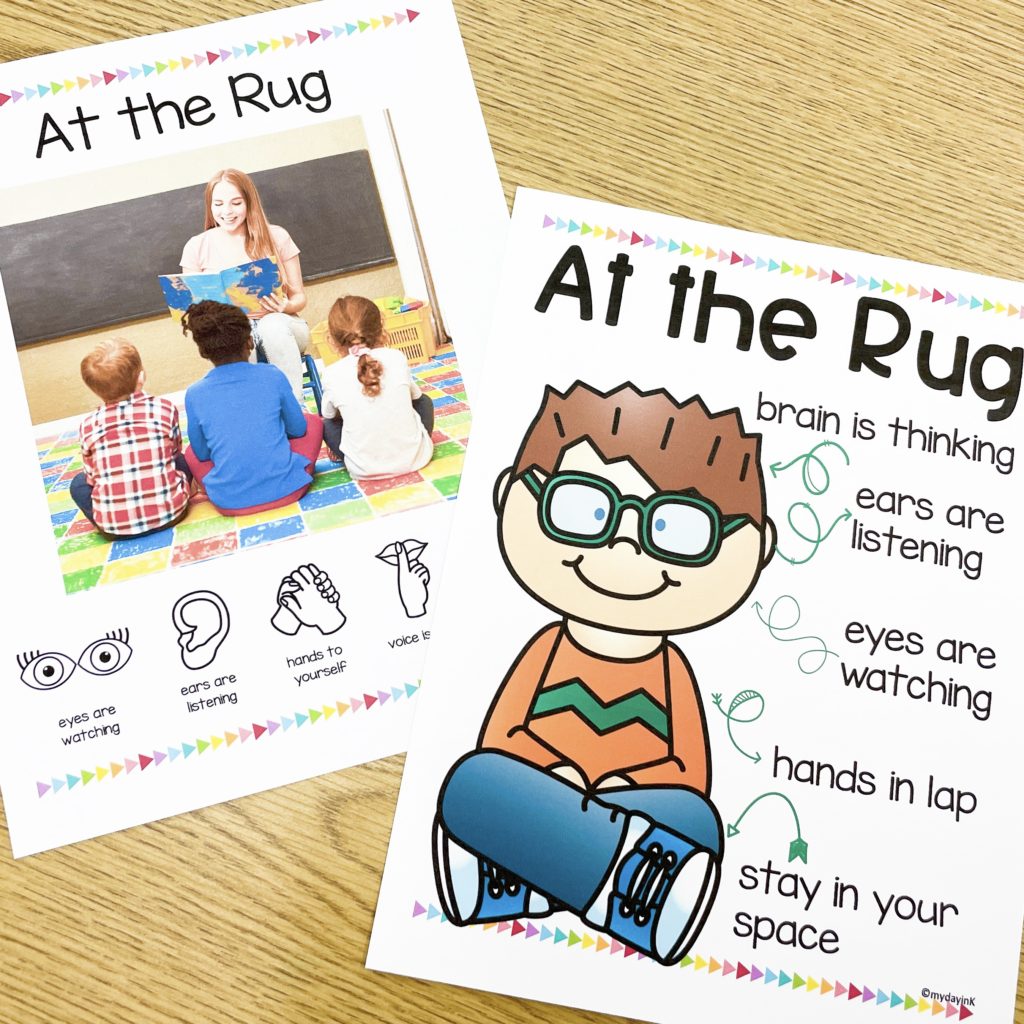
Visual aids are essential. Posters, slides, and charts serve as constant reinforcement for expectations. When routines start to slip, simply revisiting these visuals can work wonders. You might like this rug freebie visual.
Hold up a chart and say:
“Remember this? Let’s walk through it together.”
Then, physically model each expectation using the visual as a guide. Whether it’s a hallway expectations chart, a morning routine poster, or transition visuals, having a clear reference point helps students recall expectations more effectively.
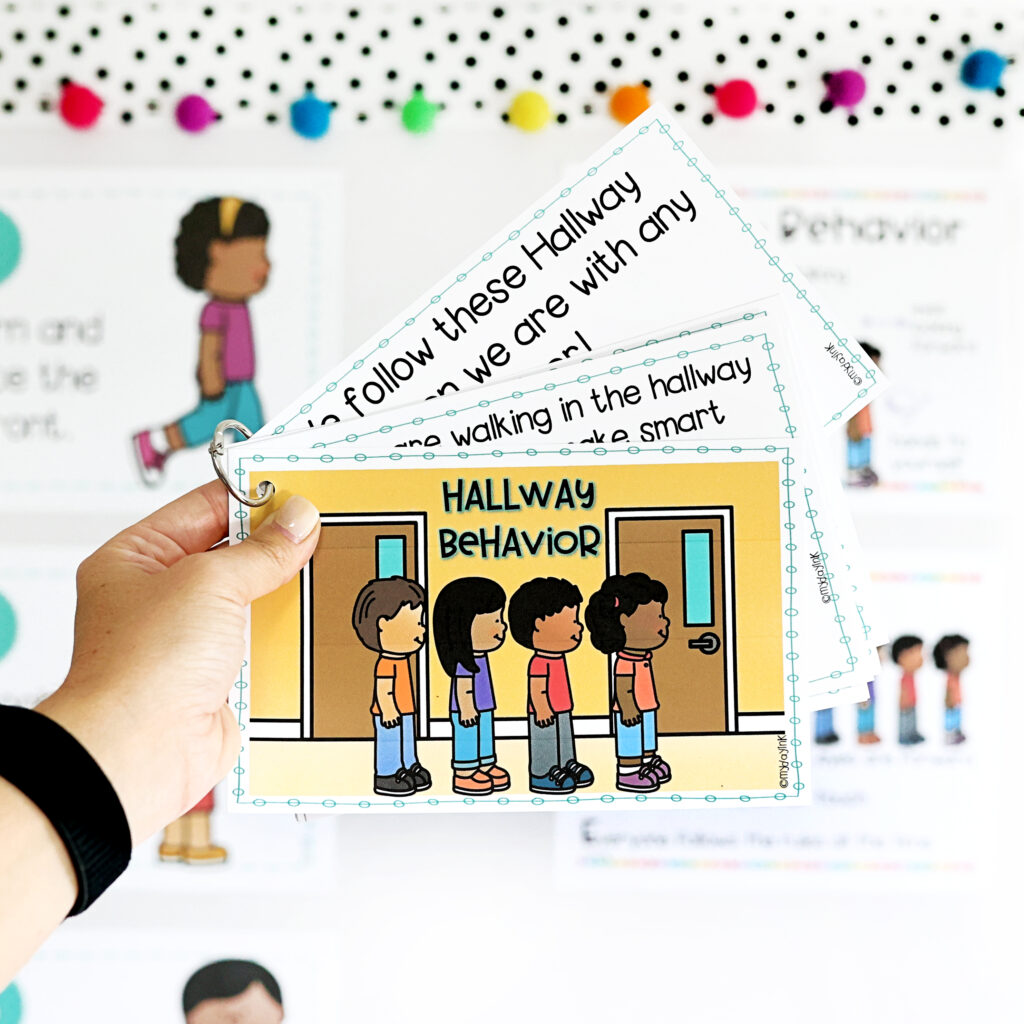
If visuals are not yet in place, creating them can be a game-changer. Consider involving students in making new posters or reviewing past ones with small updates. When students take ownership of classroom expectations, they are more likely to follow them.
3. Make It a Challenge
Turning routine review into a game increases engagement. Instead of simply reminding students what to do, turn it into a challenge:
“Let’s see if everyone can line up in five seconds, voices off—ready? GO!”
A simple challenge transforms routine practice into an interactive experience that students enjoy. Try different variations, such as seeing if the class can beat their previous record or adding a fun incentive for successful execution.
Gamifying routines not only increases engagement but also reduces the feeling of repetition. Students respond better when practice feels like a fun challenge rather than a dull drill.

Meet the Teacher Without the Chaos – Managing the Madness: Kinder Management Made Simple
4. Practice, Practice, Practice
Once visuals are reviewed, immediate practice follows.
“Let’s try that hallway walk again, and this time, let’s see if it matches what’s on the poster.”
No frustration, no negativity—just structured practice until expectations are met. Repetition ensures success, and keeping the process lighthearted encourages student participation. Make sure students understand that practice isn’t a punishment but a way to ensure everyone knows what to do to make the classroom run smoothly.
Breaking the practice into small, manageable steps can also help. For example, practice lining up correctly before even heading out of the room. Then, practice walking down the hallway before doing it in a real transition. This step-by-step approach prevents students from feeling overwhelmed.
5. Praise Like Crazy
When students demonstrate the reset expectations, reinforce the behavior with enthusiastic praise:
“Look at how Jordan is sitting criss-cross, just like the carpet expectations poster! That’s exactly it!”
Positive reinforcement is powerful. Encouraging the desired behavior in an upbeat and celebratory way makes students more likely to follow through consistently. Be specific with praise—mention exactly what a student did well so that others can follow their example.
Consider adding a reward system for those who consistently follow routines. It doesn’t have to be extravagant—verbal recognition, class points, or a fun activity at the end of the day can be enough to keep students motivated.
The Three-Day Refresh: A Simple Strategy for Resetting Expectations After a Break
After a break, jumping straight into full-speed teaching can be overwhelming. A structured three-day reset helps refocus the class and set the tone for the remainder of the year.
Start: Day 1: Routines & Procedures Reset
- Review morning routines, lining up, and transitions.
- Use visuals heavily to reinforce expectations.
Day 2: Independent & Group Work Reset
- Practice working independently, using materials correctly, and collaborating effectively.
- Reinforce how to ask for help and stay on task.
Finish: Day 3: Behavior & Classroom Culture Reset
- Discuss kindness, respect, teamwork, and class goals.
- Allow students to share ideas to create a positive classroom environment.
By Day 4, the classroom feels calmer, smoother, and more structured. Keeping the process engaging ensures students respond positively to the reset.
Revisiting rules, routines, and procedures doesn’t have to be a dreaded experience. With quick conversations, engaging visuals, fun challenges, and a structured reset plan, classroom management can be restored efficiently—without the eye rolls. These strategies make the process seamless and ensure a more productive learning environment for everyone.