Kindergarten Readiness: What Kids Actually Need Before the First Day
If you’ve ever wondered whether your child is “ready” for kindergarten, you’re definitely not alone. Kindergarten readiness is one of those topics that can feel a little overwhelming because it’s not just about knowing letters and numbers anymore.
Parents often picture a child walking into school already reading, writing sentences, and solving math problems. But the truth? That’s not what teachers are looking for.
Kindergarten readiness is about a mix of educational, emotional, and social skills that help children feel confident, capable, and ready to learn in a structured classroom environment.
You can build all of these skills at home in simple, realistic ways.
What Is Kindergarten Readiness (Really)?
When people hear “kindergarten readiness,” they often assume it’s a checklist of academic skills children must master before the first day of school. It can feel like there’s pressure to make sure your child is already reading, writing, and doing math independently.
But in reality, readiness is much more about preparation than perfection.
Kindergarten teachers aren’t expecting students to come in knowing everything. They’re expecting students to come in ready to learn. That means being able to participate in a classroom, follow routines, and try new things, even when they feel unsure.
Kindergarten readiness is really about building a strong foundation that supports learning in all areas.
Teachers are looking for children who can:
- Participate in a group
- Follow simple directions
- Try new things (even when they’re unsure)
- Begin basic academic tasks
In other words, readiness is less about being “ahead” and more about being prepared to learn.
Educational Skills to Practice Before Kindergarten
When most people think about kindergarten readiness, academics are usually the first thing that comes to mind. And while academic skills are important, they don’t need to be advanced or mastered before school begins.
What really matters is exposure and familiarity.
Young children benefit from seeing letters, hearing sounds, and practicing basic skills in low-pressure, engaging ways. The goal isn’t to push them ahead. It’s to make learning feel comfortable and approachable so they can build confidence over time.
Before kindergarten, it’s helpful for children to have exposure to:
- Recognizing letters (especially in their name)
- Identifying some letter sounds
- Counting to 10 (and beyond, if possible)
- Holding a pencil or crayon
- Tracing or attempting to write their name
- Recognizing basic shapes and colors
These skills don’t need to be perfect. Even small attempts and practice make a difference.
The key is consistency in short, manageable sessions. This is where using a structured kindergarten readiness workbook can really help. Instead of guessing what to practice, you have a clear, simple path that builds skills step by step.
Emotional Skills Matter Just as Much
It’s easy to focus on letters and numbers, but emotional readiness is just as important, if not more important, for a smooth transition into kindergarten.
Starting school can feel like a big change for young children. New routines, new expectations, and being away from home for longer periods can bring out big emotions.
That’s completely normal.
What helps children succeed is not avoiding those feelings, but learning how to manage them.
Some important emotional skills include:
- Managing frustration when something feels hard
- Trying again instead of giving up
- Separating from caregivers with increasing independence
- Expressing feelings appropriately
These skills take time to develop, and they don’t happen overnight.
You can support emotional readiness at home by encouraging independence, talking openly about feelings, and giving your child space to work through small challenges. It might feel easier to jump in and fix things, but letting them try, struggle a little, and succeed builds real confidence.
Confidence doesn’t come from getting everything right; it comes from learning how to handle when things don’t go perfectly.
Social Skills That Make a Big Difference
In kindergarten, children are learning alongside others all day long. They’re sharing materials, working in groups, and navigating social situations that may be new to them.
For many children, this is their first experience in a structured group setting, and it can take time to adjust.
That’s why social skills play such a big role in kindergarten readiness.
Children don’t need to be perfect at these skills, but having some experience with them can make the transition much smoother.
Helpful social skills include:
- Taking turns and sharing materials
- Listening when others are speaking
- Following group directions
- Using kind words and actions
- Asking for help when needed
The good news is that these skills can be practiced in everyday life. Playing games, interacting with siblings or friends, and even participating in simple routines at home all help build these abilities.
Over time, these small experiences help children feel more comfortable and confident in a classroom setting.
Why a Kindergarten Readiness Workbook Helps
With so many different skills to think about, academic, emotional, and social. It’s easy to feel unsure about where to start or what to focus on.
That’s where having a structured kindergarten readiness workbook can make a big difference.
Instead of trying to piece together activities or wondering if you’re covering the “right” skills, a workbook provides a clear, organized approach. It allows your child to practice consistently while keeping things simple and manageable for you.
It also creates a routine, which is incredibly helpful for young learners. When children know what to expect, they feel more confident and willing to participate.
A good workbook doesn’t overwhelm; it supports.
It gives children opportunities to build foundational skills, feel successful, and gradually become more independent as they prepare for kindergarten.
An Easy Way to Get Started
If you’re looking for a simple, no-stress way to support your child’s kindergarten readiness, my Kindergarten Readiness Workbook was created with exactly that goal in mind.
It’s designed for real families and real schedules, no complicated prep, no overwhelming expectations, just meaningful practice that builds confidence over time.
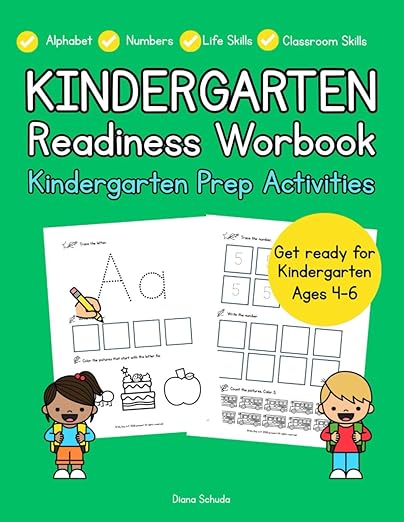
Inside, you’ll find activities that focus on:
- Letters and early literacy skills
- Number recognition and counting
- Fine motor practice like tracing and writing
- Classroom-ready routines and foundational skills
Everything is age-appropriate, engaging, and easy to use at home.
Kindergarten readiness doesn’t have to feel stressful or overwhelming.
You don’t need to recreate a classroom at home. You don’t need hours of practice every day. And your child doesn’t need to know everything before the first day.
What matters most is giving them opportunities to build confidence, practice foundational skills, and feel excited about learning.
A little consistency goes a long way.
And when kids feel ready, they walk into kindergarten not just prepared, but confident.