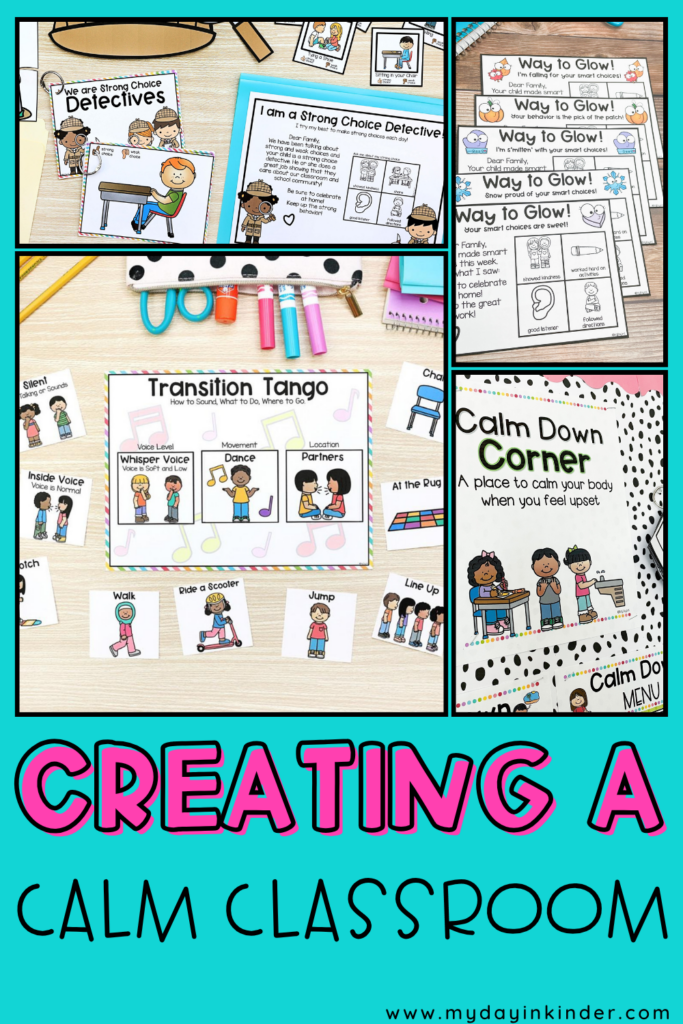
Calm Classroom: 5+ Ways To Create a Calm Kindergarten
One of the biggest myths about classroom management is that calm classrooms happen because teachers have “good kids.”
As someone who has taught elementary students for years, I can tell you that’s simply not true.
The calmest classrooms aren’t filled with perfect students. They’re filled with students who have been explicitly taught what is expected, given opportunities to practice, and consistently reminded of those expectations throughout the year.
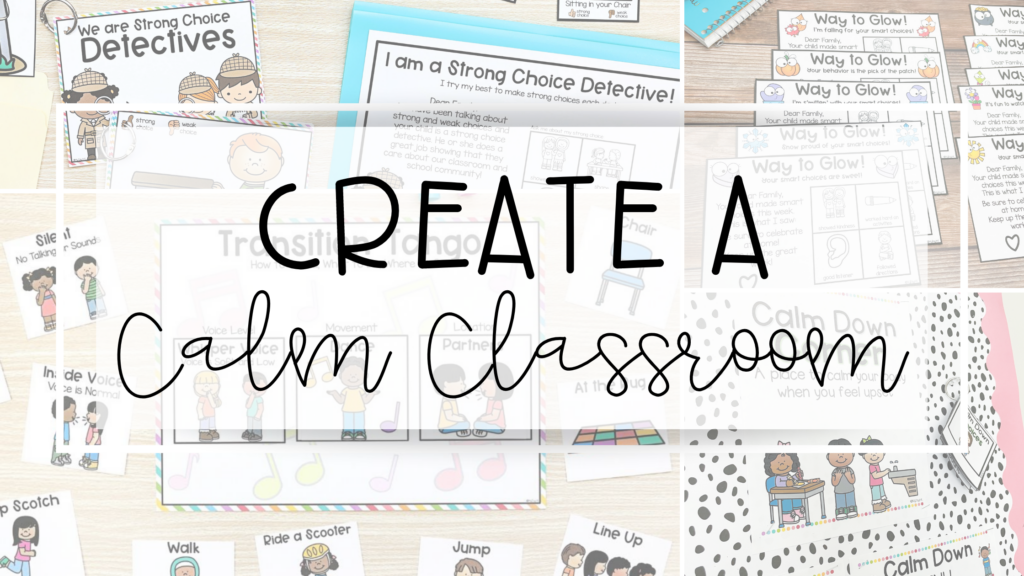
When I first started teaching, I thought classroom procedures were something you taught during the first week of school and then moved on from. Looking back, that was one of the biggest mistakes I made.
If I had to start over tomorrow, these are the five things I would focus on from day one to create a calm classroom.
Use Classroom Procedure Visuals
Young learners are visual learners.
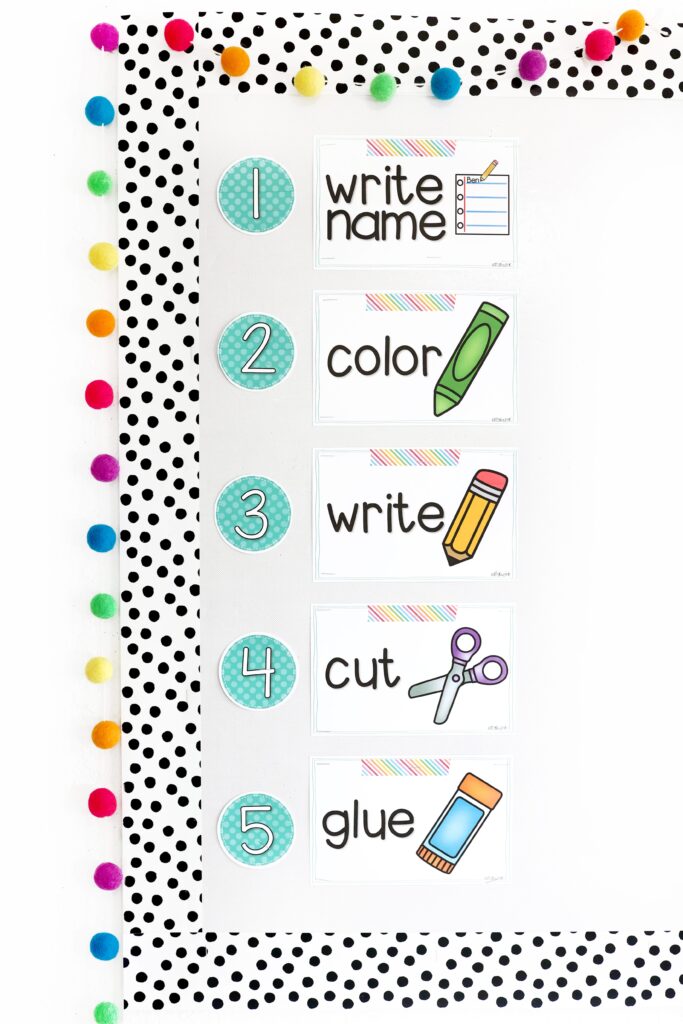
No matter how clearly we explain directions, many students need to actually see what is expected. Classroom procedure visuals provide a constant reminder that students can reference independently throughout the day. Instead of repeating directions over and over, you can simply point to the visual, review the expectation, and move on.
Procedure visuals can be used for:
- Morning arrival
- Lining up
- Centers
- Small groups
- Independent work
- Bathroom procedures
- Clean-up routines
- End-of-day dismissal
When students know exactly what to do, they feel more confident and require fewer reminders.
Review Expectations Every Day
One of the hardest lessons I learned as a new teacher was realizing that teaching a procedure once isn’t enough. Students need repetition.Lots of repetition.
The most successful classrooms spend time reviewing expectations daily, especially during the first few weeks of school. This doesn’t have to take long. A quick review before transitions or activities can make a huge difference.
The reality is that students forget. They get excited. They get distracted. Regular review helps keep expectations fresh and prevents small problems from becoming bigger ones.
Talk About Strong Choices vs. Weak Choices
Students often know when they’ve made a mistake, but they don’t always know what the right choice should have looked like. That’s why classroom discussions are so important.
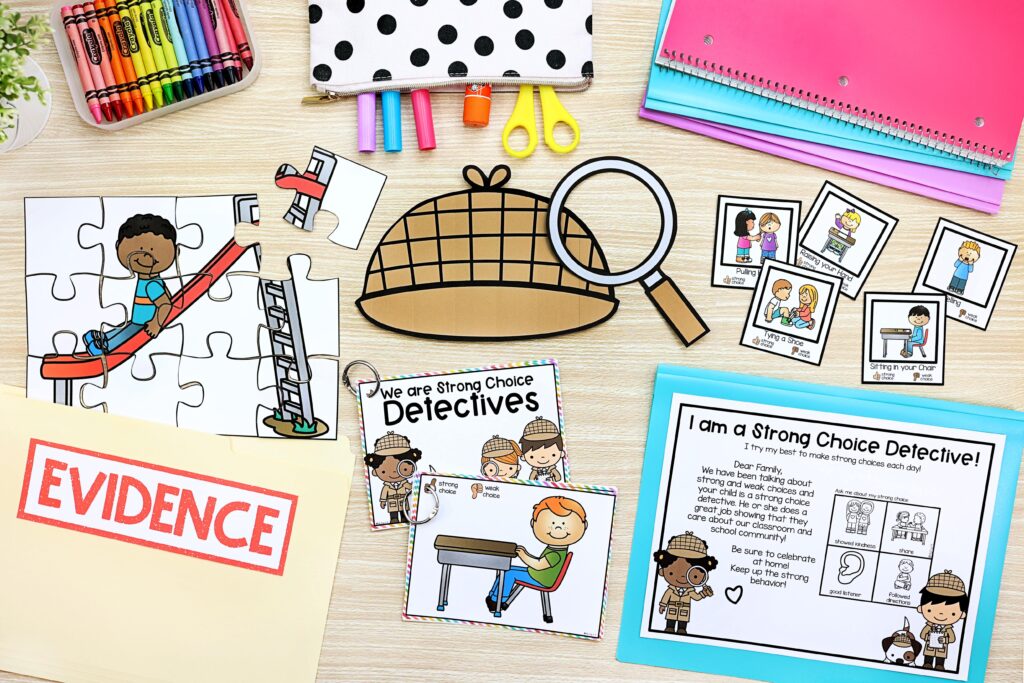
Take time to talk through real classroom situations and ask students:
- What would a strong choice look like?
- What would a weak choice look like?
- How would each choice affect our classroom?
- Which choice helps everyone learn?
These conversations help students develop problem-solving skills and better understand expectations.
Create Consistent Routines
Students thrive on predictability.
When children know what comes next, they feel safe and confident. They spend less energy figuring out what they’re supposed to be doing and more energy actually learning.
Consistent routines help reduce:
- Transition issues
- Off-task behavior
- Student anxiety
- Repeated questions
- Classroom interruptions
The more predictable your day becomes, the smoother your classroom will run.
Focus on Practice Before Perfection
If I could give one piece of advice to new teachers, it would be this: Don’t rush procedures.
Many teachers feel pressure to jump straight into academics. While academics are important, spending time teaching procedures will save you countless hours later in the year.
- Model expectations.
- Practice expectations.
- Then practice them again.
- And again.
The students who appear to have classroom management “figured out” aren’t naturally better behaved. They’ve simply had more opportunities to learn and practice the routines that lead to success.
The time you invest during the first few weeks of school pays off for the entire year.
Calm Classroom Must-Haves for Elementary Teachers
Every teacher wants a calm classroom, but calm doesn’t happen by accident. It comes from having the right systems, routines, and supports in place from the very beginning. You don’t need a Pinterest-perfect classroom or expensive materials. You just need a few key pieces that help students know what to do, feel successful, and stay engaged.
Classroom Procedure Visuals
If students constantly ask, “What do I do next?” classroom procedure visuals are a game changer. Visual reminders help students become more independent and reduce the need for repeated directions throughout the day. Some helpful visuals include morning routine charts, center expectations, line-up procedures, clean-up directions, and dismissal routines. When students can see what is expected, transitions become smoother and your classroom feels much calmer.
Clear Behavior Expectations
Students can’t meet expectations they don’t understand. That’s why it’s so important to explicitly teach what classroom expectations look like, sound like, and feel like. Strong choice vs. weak choice discussions, role-playing classroom situations, daily expectation reviews, and behavior anchor charts all help students understand what successful behavior looks like in different situations.
Consistent Daily Routines
One of the biggest secrets to a calm classroom is predictability. Students thrive when they know what to expect throughout the day. Simple routines such as consistent morning work, predictable center rotations, familiar transition procedures, and a structured end-of-day routine help reduce confusion and prevent many common behavior issues before they start.
Visual Schedule
A visual schedule is one of the easiest ways to reduce anxiety and constant questions about what comes next. Students can quickly reference the schedule throughout the day instead of relying on the teacher for reminders. This simple tool helps create structure, builds independence, and keeps the day running more smoothly.
Flexible Seating Options
Not every student learns best sitting at a desk all day. Adding a few flexible seating choices can help students stay focused and comfortable. Options such as floor cushions, wobble stools, lap desks, or standing workspaces give students opportunities to learn in ways that work best for them without completely changing your classroom setup.
Simple, Calm Classroom Decor
A calm classroom doesn’t have to be boring, but it should be intentional. Too much visual clutter can become distracting, especially for younger learners. Focus on decor that serves a purpose, such as neutral or cohesive colors, clear labels, educational displays, and student work. Often, the classrooms that feel the calmest are the ones that aren’t overloaded with decorations.
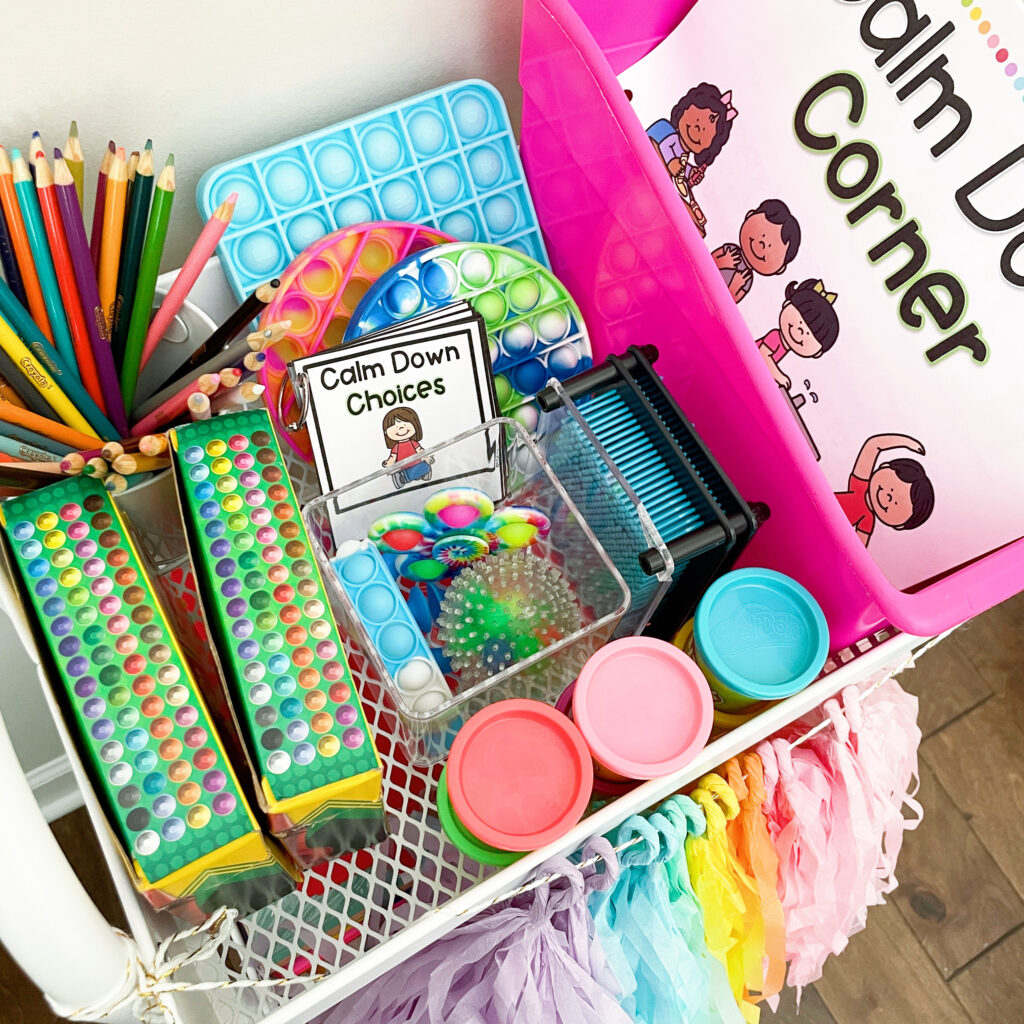
A Classroom Calm-Down Area
Every classroom benefits from having a designated space where students can take a moment to regulate their emotions. A calm-down area might include emotion charts, breathing strategy cards, reflection sheets, fidgets, calming tools, and feelings posters. The goal is to teach students healthy ways to manage emotions and return to learning when they are ready.
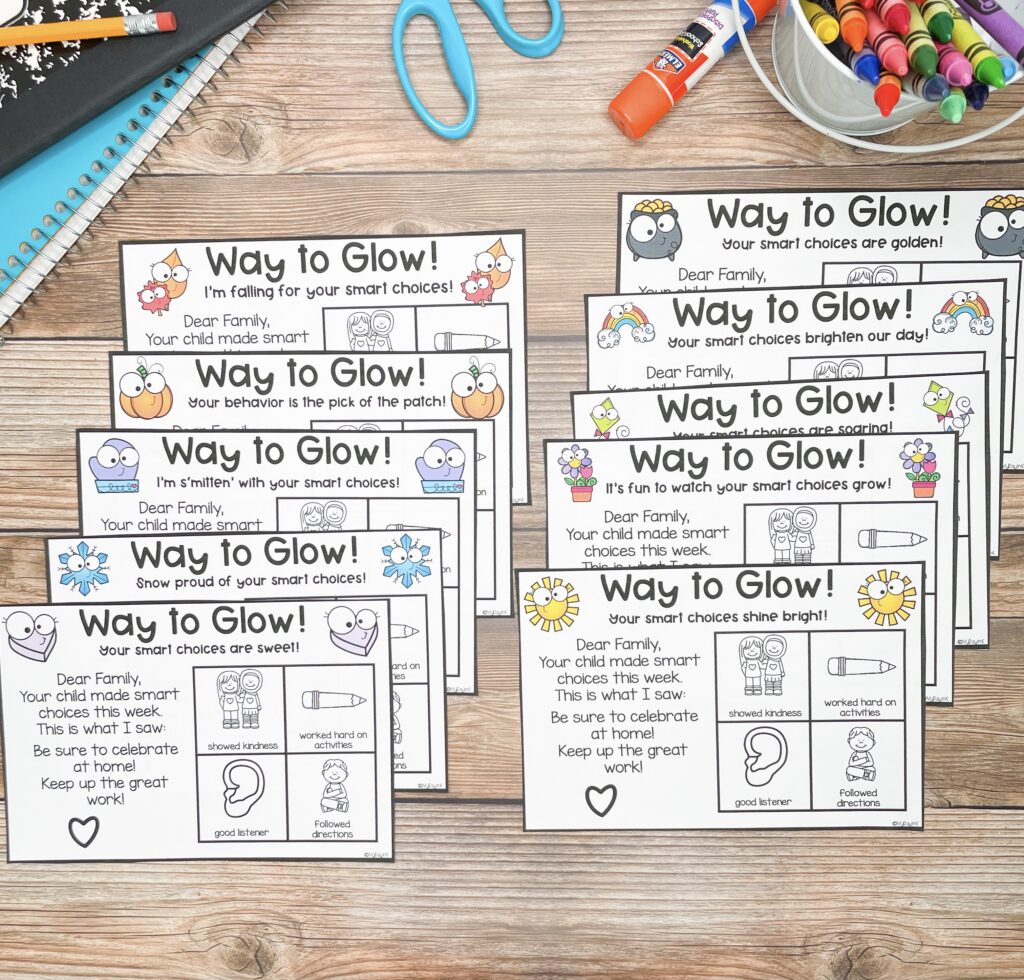
Positive Reinforcement Systems
Students are more likely to repeat behaviors that receive positive attention. Positive reinforcement systems can be as simple as compliment jars, class rewards, individual incentives, positive notes home, or classroom celebrations. Consistently recognizing positive choices helps build a classroom culture where students feel motivated and successful.
Engaging Morning Meetings
Morning meetings help set a positive tone for the entire day. They provide an opportunity to build classroom community, review expectations, practice social skills, and check in with students. Even a short morning meeting can strengthen relationships and help prevent behavior issues before they begin.
Teacher Organization Systems
A calm classroom starts with a teacher who can easily find what they need. Simple organization systems such as labeled bins, weekly planning folders, student work trays, and digital organization tools help reduce stress and keep classroom materials manageable. When systems are in place, you can spend less time searching for supplies and more time focusing on your students.
The Real Secret to a Calm Classroom
Most people think calm classrooms come from having “easy” students. The truth is that calm classrooms are built through clear expectations, consistent routines, positive relationships, and lots of practice. When students know what’s expected and feel successful, the entire classroom runs more smoothly, and teaching becomes a whole lot more enjoyable.
A Calm Classroom Is Built One Small Routine at a Time
The truth is that classroom management isn’t one big strategy.
It’s hundreds of small moments.
It’s the expectations you teach, the routines you practice, the reminders you give, and the consistency you maintain every single day.
A calm classroom isn’t created by luck. It’s created through intentional teaching.
That’s exactly why I love using Classroom Procedure Visuals. They help students understand expectations, support independence, and reduce the need for constant reminders, making classroom management easier for both teachers and students.