Why I Wrote Classroom Calm (And the Classroom Management Lessons I Wish I Knew Sooner)
Teaching young children is one of the most rewarding jobs in the world. It’s also one of the most exhausting.
Most teachers don’t struggle because they don’t know how to teach. They struggle because they’re trying to teach while managing behaviors, answering a million questions, handling transitions, building relationships, and somehow keeping the classroom running smoothly at the same time.
I’ve been there.
There were years when I felt like I spent more time managing the classroom than actually teaching. I found myself repeating directions all day, getting frustrated during transitions, and wondering why some routines never seemed to stick.
Over time, I realized something important: calm classrooms aren’t built by accident.
They’re built through intentional systems, consistent routines, and expectations that are taught over and over again.
That’s why I wrote Classroom Calm.
The Book I Needed When I Started Teaching
If I could go back and give my first-year teacher self one piece of advice, it would be this: slow down and teach the routines.
When I first started teaching, I felt pressure to jump right into academics. I wanted to teach reading, writing, math, science, and all the exciting lessons I had planned. What I didn’t realize was that classroom management is the foundation that makes all of those lessons possible. Without strong systems in place, even the most engaging activities can quickly turn into chaos.
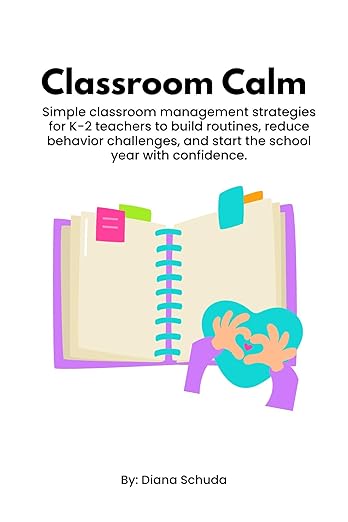
That’s why I wanted to create a resource that gives teachers practical classroom management strategies they can actually use. Not complicated theories or unrealistic systems, but real-world solutions that work with real students in real classrooms.
Why Classroom Management Feels So Overwhelming
One of the biggest challenges teachers face is feeling like they’re constantly reacting. A student is off task, someone is talking during directions, a transition takes twice as long as expected, or a routine that worked yesterday suddenly falls apart today.
The problem isn’t that teachers aren’t working hard enough. Often, classroom management challenges begin long before the behavior ever occurs. Students may not fully understand the expectation; they may need more practice with a routine, or they may need additional structure and support to be successful.
Once I shifted my focus from correcting behavior to teaching expectations, everything started to change. Instead of spending my day putting out fires, I started building systems that prevented many of those problems from happening in the first place.
Expectations Need to Be Taught—Not Announced
One of the biggest mistakes I made early in my teaching career was assuming students would remember expectations after hearing them once. The reality is that students need repetition. They need modeling. They need opportunities to practice. And then they need more practice.
Whether it’s lining up, transitioning between activities, working with a partner, cleaning up supplies, or completing independent work, students need explicit instruction on what success looks like. They need to see it, talk about it, practice it, and revisit it throughout the year.
When teachers invest time in teaching procedures and expectations, they spend far less time redirecting and correcting behaviors later. It’s one of those things that feels slow at the beginning but saves countless hours throughout the school year.
The Power of Classroom Procedure Visuals
If you’ve ever felt like a broken record, classroom visuals can be a game changer.
One of the strategies I discuss throughout Classroom Calm is using procedure visuals to support student independence. Visuals help students see what is expected instead of relying solely on verbal directions. They provide consistency, reduce confusion, and help students navigate routines without constantly needing teacher reminders.
Some of my favorite visuals include morning routine charts, center expectations, transition procedures, clean-up steps, and dismissal routines. Instead of repeating directions for the tenth time, I can simply point to a visual and redirect students quickly.
Over time, these visuals help students become more independent and confident because they know exactly what to do. And for teachers, that means fewer interruptions and less stress throughout the day.
Building Classroom Community Changes Everything
When people think about classroom management, they often focus on rules, consequences, and behavior systems. While those things matter, relationships matter just as much.
Students who feel connected to their teacher and classmates are more likely to participate, cooperate, and take ownership of their behavior. They feel safe asking questions, taking risks, and contributing to the classroom community.
That’s why building relationships is such an important piece of classroom management. Morning meetings, partner activities, classroom discussions, and opportunities for student voice all help create a culture where students feel valued and respected. When students feel like they belong, many behavior problems begin to decrease naturally.
Consistent Routines Create Calm
After years in the classroom, one thing I’ve learned is that students thrive on predictability. Children want to know what’s coming next, what is expected of them, and how they can be successful.
Consistent routines provide that security. Whether it’s your morning routine, center rotations, transition procedures, or end-of-day schedule, predictable systems help students feel confident and capable throughout the day.
When students know exactly what to do, they spend less time feeling confused and more time focused on learning. Consistency doesn’t just benefit students; it benefits teachers, too. The more predictable your systems are, the smoother your classroom will run.
Focus on Prevention, Not Perfection
One of the biggest themes throughout Classroom Calm is proactive classroom management. Many teachers spend so much energy reacting to behavior that they never have time to prevent it.
The most effective classroom management strategies aren’t flashy. They’re the small, consistent practices that happen every day. Clear expectations, visual supports, positive reinforcement, relationship building, and consistent routines all work together to create a classroom environment where students can be successful.
The goal isn’t perfection. The goal is creating systems that help students understand expectations, feel supported, and make positive choices throughout the day.
What You’ll Learn in Classroom Calm
I wrote Classroom Calm to provide practical tools that teachers can implement immediately. Inside the book, I share the systems and strategies that have helped me create calmer, more organized learning environments while reducing stress for both students and teachers.
You’ll learn how to establish routines that actually stick, create classroom systems that reduce overwhelm, use visuals to increase student independence, build stronger classroom communities, reduce challenging behaviors proactively, create smoother transitions, and develop positive behavior supports that work.
Most importantly, you’ll learn how to create a classroom environment where students feel safe, valued, and ready to learn.
If there’s one thing I hope teachers take away from Classroom Calm, it’s this: you don’t need perfect students to have a calm classroom.
You need clear expectations, consistent routines, strong relationships, and systems that support student success. Those small things may not seem exciting in the moment, but they are what create the classrooms where students thrive and teachers actually enjoy coming to work each day.
Because classroom management isn’t about controlling students. It’s about creating a classroom community where everyone feels safe, respected, supported, and ready to learn. And that’s exactly the kind of classroom every teacher deserves.
Looking For Help?
If you’re tired of repeating directions, struggling with transitions, and feeling like classroom management takes up more time than teaching, Classroom Calm can help. Filled with practical, classroom-tested strategies, this book will help you create clear routines, build student independence, and develop a calmer classroom environment where both you and your students can thrive.
Ready to spend less time managing behaviors and more time teaching? Grab your copy of Classroom Calm on Amazon today and start building the calm, confident classroom you’ve always wanted.