Fall Into Focus: Simple Ways to Strengthen Classroom Management in October
Strengthen Classroom Management with October’s Fall Into Focus membership materials and simple strategies to reinforce classroom expectations all year long.
By October, the back-to-school excitement has started to settle, classroom routines are being put to the test, and teachers are finding their groove. You’ve taught your expectations, practiced your procedures, and worked hard to establish a classroom that runs smoothly. But even with the best plans in place, students sometimes need a little reminder of what they’re supposed to do.
Maybe transitions are taking longer than they did in September. Maybe students need more reminders to listen, clean up, or follow directions. Or maybe you’re finding yourself repeating the same expectations all day and wondering how things changed so quickly!
Sound familiar? You’re not alone.
October is the perfect time to fall into focus and bring your classroom management strategies back to the basics. Instead of starting over or creating an entirely new system, you can strengthen the routines you’ve already established with intentional reviews, clear expectations, and consistent practice.
The best part? You don’t have to do it all on your own. With the right strategies and ready-to-use materials, you can make classroom management feel more manageable while helping your students build the habits they need to succeed.
Why October Is the Perfect Time to Refocus
September is often filled with teaching routines, establishing classroom expectations, and helping students learn how the school day works. You spend time modeling everything from lining up to using classroom materials, and students get plenty of opportunities to practice.
But as students become more comfortable, those expectations can start to slip. Familiarity can lead to less attention to directions, slower transitions, and routines that need a little extra support.
Rather than viewing this as a setback, think of October as an opportunity to reinforce what you’ve already taught. Students need reminders, practice, and feedback throughout the year, not just during the first few weeks of school.
Start by identifying the areas where your classroom could use a little extra support. Ask yourself:
- Which routines are working well?
- Where am I repeating directions the most?
- Which transitions feel more challenging than they should?
- What expectations do students need to practice again?
- What could make our classroom day run more smoothly?
You don’t need to fix everything at once. Choose one or two areas to focus on and build in short opportunities to review and practice. Those small adjustments can make a big difference in how your classroom functions.
Put Your Daily Management Power Plays Into Action
Knowing you need to revisit classroom expectations is one thing. Finding the time to plan those reviews and create materials to support them is another.
That’s where the Daily Management Power Plays come in. Instead of trying to come up with a new classroom management lesson every time a routine starts to slip, you can use ready-to-go review slides to bring important expectations back into focus.
The goal isn’t to spend your entire day talking about behavior. It’s to make classroom management a natural part of your daily routine, with quick reminders and intentional practice that help students understand what success looks like.
Here are a few ways to put those strategies into action this October.
1. Start With One Routine That Needs Attention
It’s tempting to tackle every classroom management issue at once, especially when several routines seem to be slipping. But trying to fix everything in one day can leave both you and your students feeling overwhelmed.
Instead, choose one routine that would make the biggest difference in your day. Maybe students need to improve their transitions, follow directions more consistently, or take greater responsibility for cleaning up.
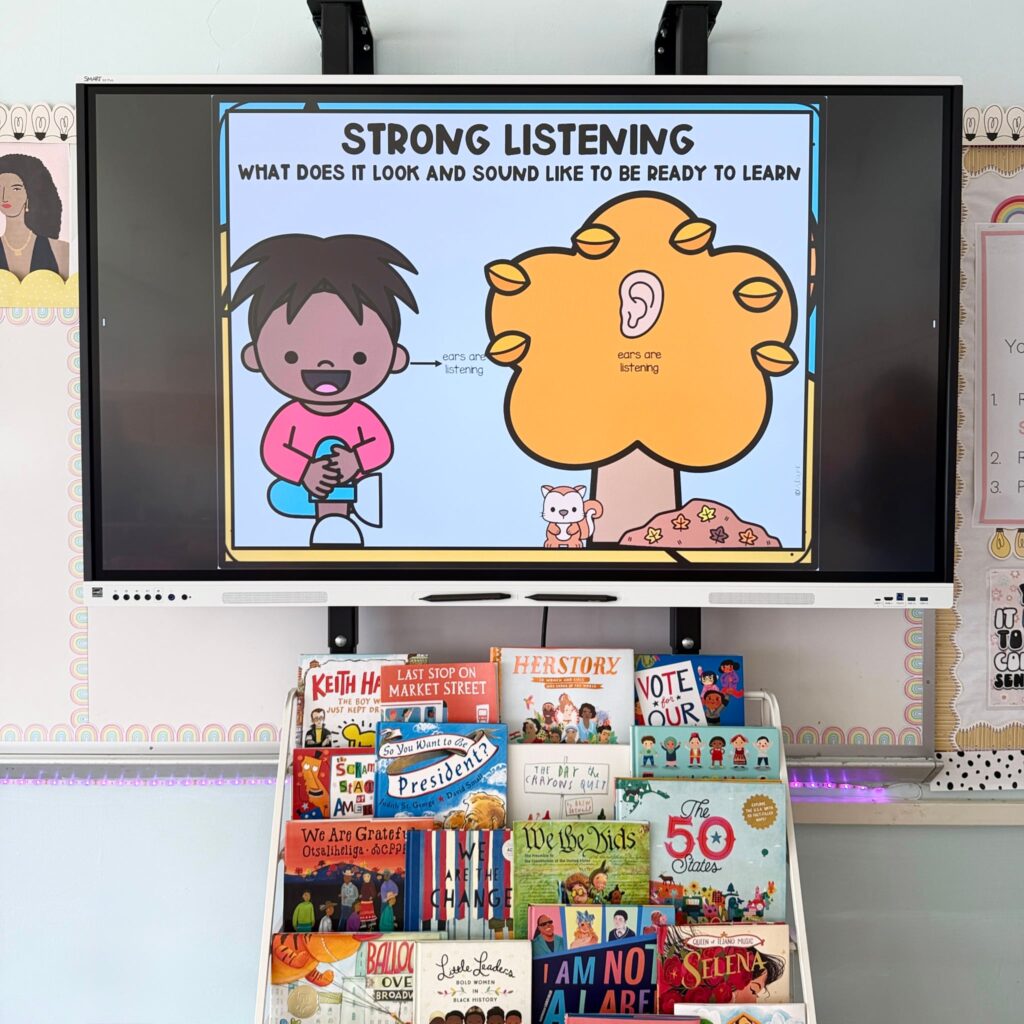
Use a Daily Management Power Play to introduce or revisit the expectation. Talk with students about what the routine should look and sound like, and give them a chance to explain what they already know.
For example, if transitions are taking too long, review what students should do when they hear the signal, where materials belong, and how they should move to the next activity. Having a clear plan helps students understand exactly what is expected.
2. Make Expectations Clear and Visual
Sometimes students struggle with routines because expectations aren’t as clear as we think they are. A direction like “Get ready for the next activity” might seem simple, but younger students may need more specific steps to follow.
Use your review time to break expectations into manageable actions. Visuals and examples can help students understand what the routine looks like in practice.
You might focus on expectations such as:
- What it looks like to be ready to learn
- How to move safely around the classroom
- What students should do when they finish their work
- How to clean up and return materials
- What listening looks like during a lesson or discussion
When students can picture what success looks like, they’re better equipped to meet the expectation. Pairing clear language with regular reviews also makes it easier to give consistent reminders throughout the day.
3. Practice Instead of Just Reminding
How many times have you told students to clean up, walk quietly, or get ready for the next activity, only to find yourself repeating the same direction a few minutes later?
Sometimes, students need more than a verbal reminder. They need another opportunity to practice the routine correctly.
After reviewing an expectation with your Daily Management Power Plays, give students a chance to put it into action. Model the routine, let students try it, and offer specific feedback about what went well and what needs improvement.
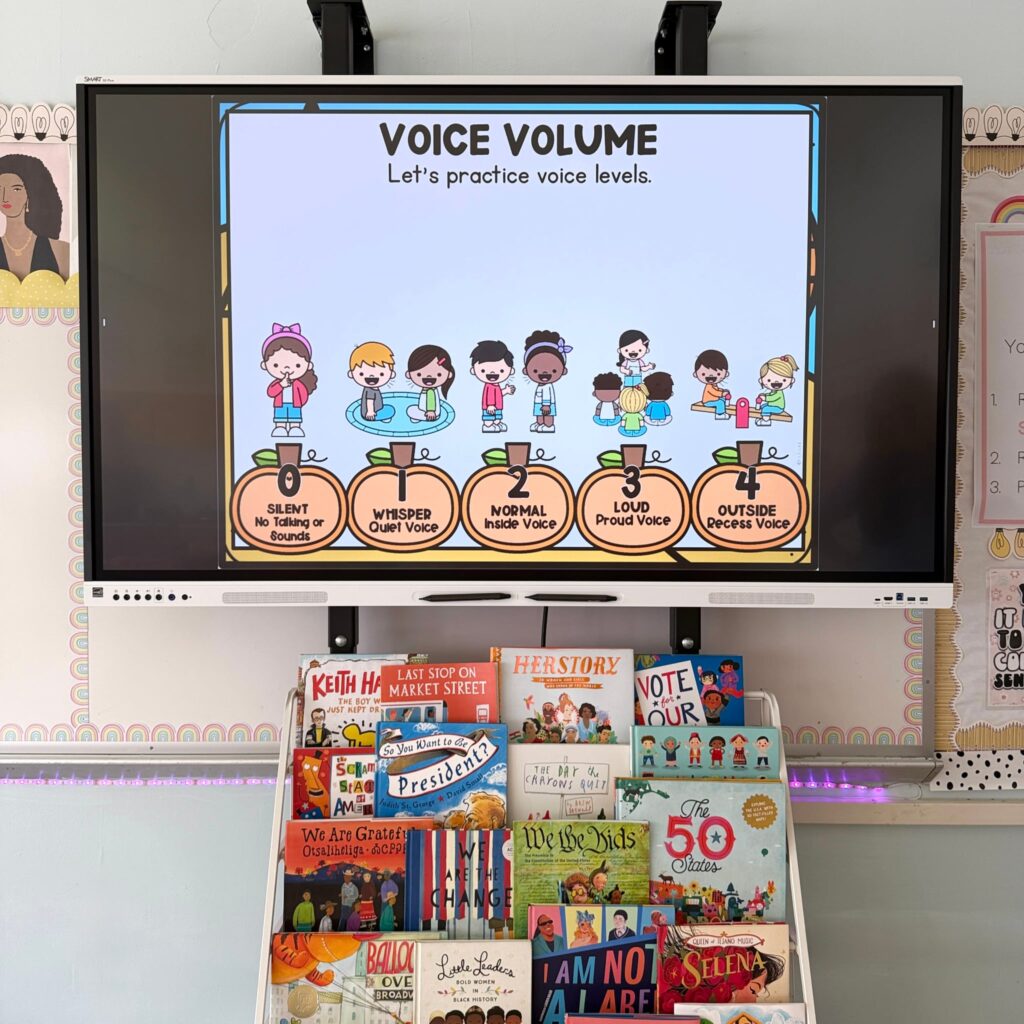
For example, if your class needs to work on lining up, practice the entire process. Show students where to stand, how to leave their workspace, and what a ready-to-go line looks like. If needed, try it again.
The key is to approach practice as a learning opportunity, not a punishment. When students know they can try again, they have a chance to build confidence and independence.
4. Reinforce the Good Choices You See
Classroom management isn’t just about correcting what isn’t working. It’s also about noticing when students are meeting expectations and helping them understand what they’re doing well.
After reviewing a routine, pay attention to students who put it into practice. Be specific with your feedback so they know exactly which choices to repeat.
You might say:
- “You followed the cleanup steps and were ready for the next activity.”
- “I noticed how quickly this group transitioned.”
- “You remembered to put your materials away without a reminder.”
- “Our class did a great job following the hallway expectations.”
These small moments of positive feedback reinforce the connection between the expectation and the behavior you want to see.
As you use your Power Plays throughout October, look for opportunities to celebrate progress. Students don’t have to get everything right immediately. Consistent practice and encouragement help them build the habits that will carry them through the rest of the school year.
5. Keep Reviews Short and Consistent
Classroom management reviews don’t need to become another lengthy lesson in your already packed schedule. In many cases, a few intentional minutes are enough to revisit an expectation, clarify a direction, or prepare students for a challenging part of the day.
You can use your Daily Management Power Plays as part of your morning routine, before a transition, after a long weekend, or whenever you notice that your class needs a refresher.
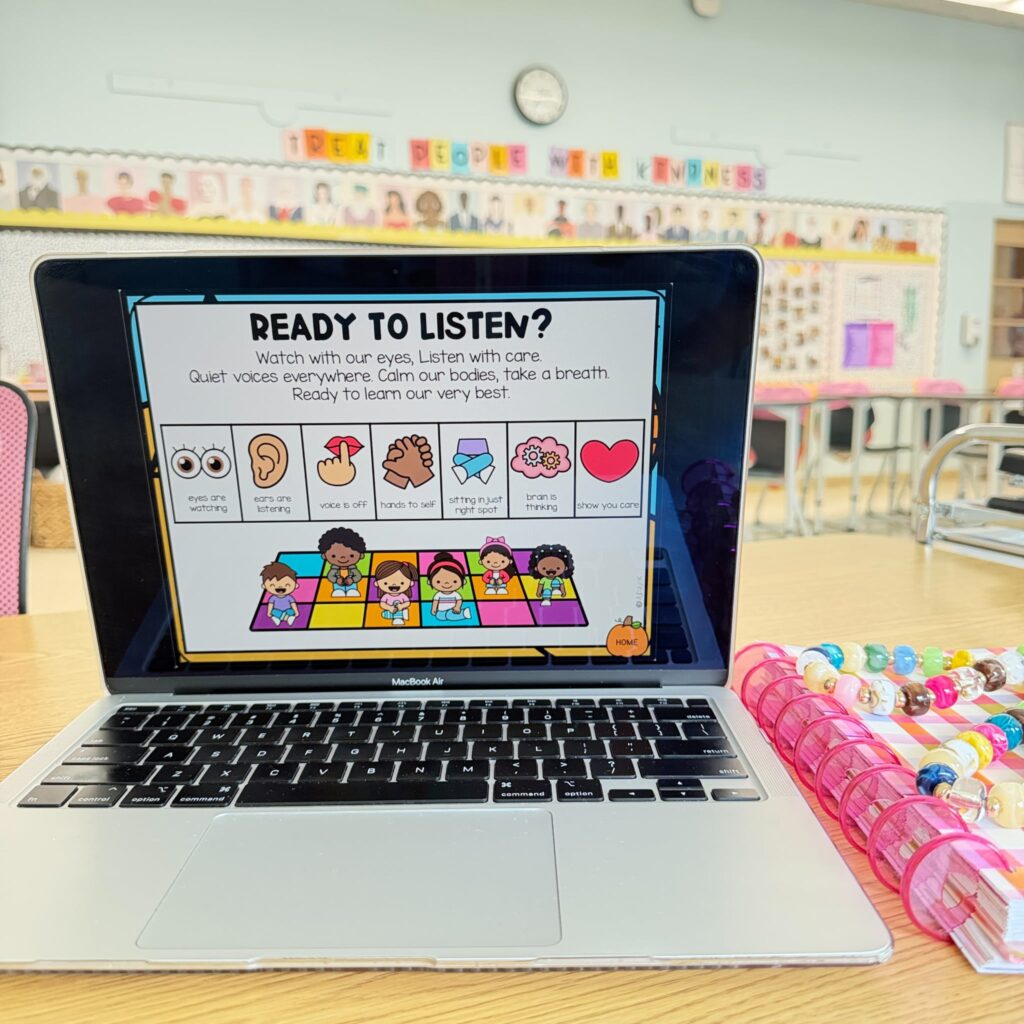
The important thing is to keep the review connected to what students need in the moment. If transitions are going well but independent work is becoming challenging, shift your attention to independence. If students return from a break needing reminders, use that opportunity to revisit the expectations that help everyone get back into a routine.
These quick reviews help classroom management become something you maintain throughout the year instead of something you only address when problems arise.
Strengthen Classroom Management & Make October Easier
You know how important it is to review classroom expectations, reinforce routines, and give students opportunities to practice. But between lesson planning, small groups, assessments, and everything else on your teacher to-do list, finding the time to create additional materials can feel like one more thing to manage.
That’s why October’s Fall Into Focus membership materials are designed to help you strengthen classroom management and put strategies into practice without adding hours of prep to your week.
Instead of spending your planning time creating everything from scratch, you can use the membership materials to support your classroom routines, reinforce expectations, and bring more consistency to your day.
Think of October as an opportunity to make small, intentional changes that help your classroom run more smoothly. Use the Daily Management Power Plays to revisit expectations, then put those expectations into practice during the routines and transitions that need a little extra attention.
Your students get the reminders and practice they need, and you get practical support to make classroom management feel more manageable.
What Does It Look Like to Fall Into Focus?
Falling into focus doesn’t mean expecting your students to be perfect or creating a classroom where nothing ever goes wrong. It means recognizing when your class needs a refresher and having a plan for what to do next.
Here are a few simple ways to put the October theme into action:
- Monday: Choose one classroom routine to review.
- Tuesday: Use clear language and visuals to reinforce the expectation.
- Wednesday: Give students time to practice the routine.
- Thursday: Notice and celebrate the progress students are making.
- Friday: Reflect on what is working and decide what needs another review.
You can adjust this approach to fit your schedule and your students’ needs. The goal is to make classroom management reviews a regular part of your routine, not something you wait until you’re feeling frustrated to do.
When expectations are clear, practice is consistent, and students receive positive feedback, you’re building a stronger foundation for the months ahead.
Ready to Fall Into Focus?
October is your reminder that the need to strengthen classroom management is an ongoing process. Even the routines that worked beautifully in September may need a little attention as students settle into the school year. You don’t have to start over or spend hours creating new resources to get your classroom back on track.
With the Daily Management Power Plays and the October Fall Into Focus membership materials, you can make reviewing expectations, practicing routines, and reinforcing positive choices a more manageable part of your day.