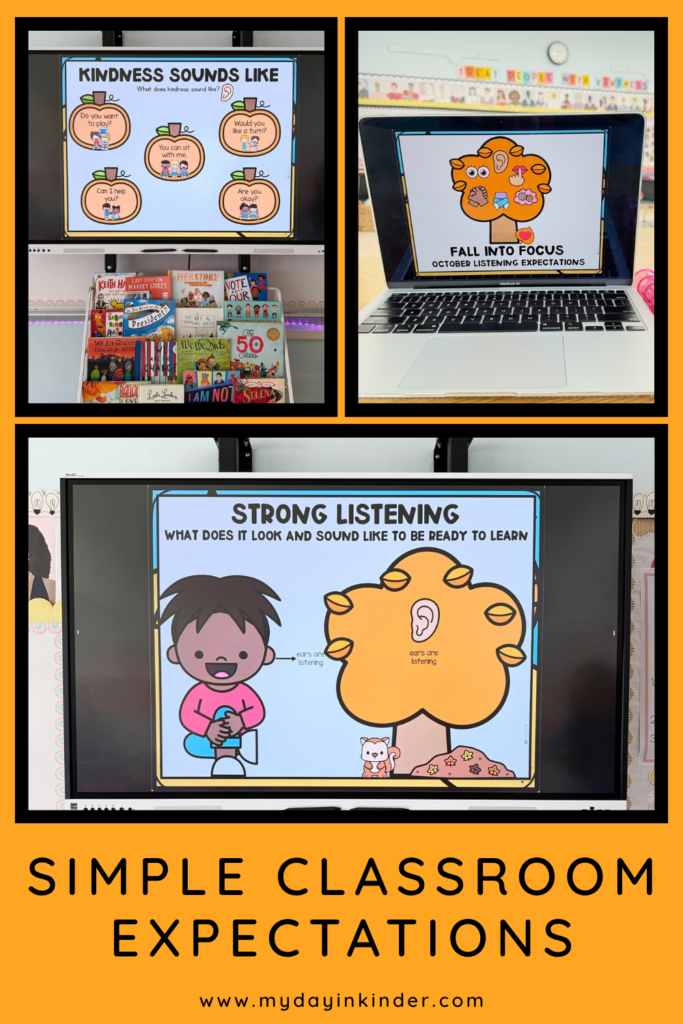
Simple Classroom Expectations All Year Long
Strengthen classroom routines with simple classroom expectations that help students stay focused, follow directions, and build independence all year long.
October has a way of sneaking up on teachers. The excitement of back to school has started to settle; students know where their supplies belong, you’ve taught your routines, and everyone is beginning to find their rhythm. But then you start noticing a few things.
Students are talking a little more during transitions. The line that was so quiet in September suddenly sounds much louder. Directions that students followed perfectly a few weeks ago now seem to need repeating, and routines that felt automatic are suddenly taking longer than they should.
If this sounds familiar, you’re not doing anything wrong. It’s a normal part of settling into the school year, and October is actually a great time to pause, review, and bring your classroom expectations back into focus.
When the Back-to-School Honeymoon Wears Off
At the beginning of the year, everything is new. Students are learning their teacher, classmates, classroom, routines, and expectations all at once. There is often a natural level of excitement that helps everyone stay on track. You spend a lot of time explicitly teaching routines, modeling expectations, and practicing how you want the classroom to run.
Then October arrives, students become more comfortable, and the newness starts to wear off. They know the routines, but they may not always follow them. They know how to transition, but they may start taking their time. They know the classroom expectations, but they may need reminders to consistently use them.
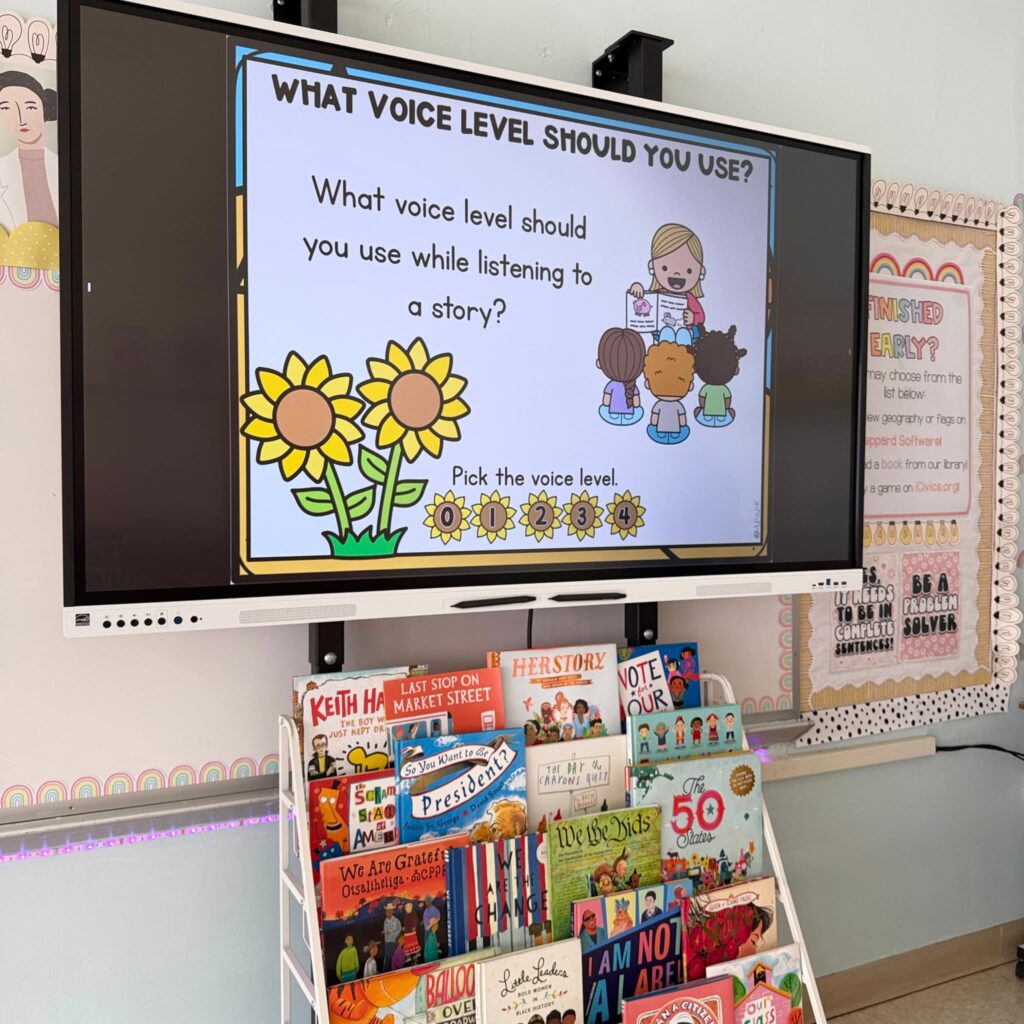
You might notice:
- Transitions taking longer than they did in September
- Students needing more reminders to follow directions
- Increased talking during independent work or group activities
- Cleanup becoming slower or less organized
- Students testing classroom boundaries
- Routines that once felt automatic needing extra reinforcement
This doesn’t mean your classroom management isn’t working. It means your students are human, and they need continued practice and reinforcement throughout the year.
October Is a Time to Review, Not Restart
When a routine isn’t working as well as it did in September, it can be tempting to change everything. You might think you need a whole new system, new consequences, or a completely different approach to classroom management.
Usually, you don’t.
Your students probably already know what they’re supposed to do. They just need a little practice and reinforcement to get back into the habit. October is the perfect time to revisit the routines that are starting to slip and intentionally practice them again.
Start by asking yourself:
- What is working well right now?
- Which routines are starting to slip?
- What expectations am I repeating over and over?
- Which part of the day feels the most challenging?
- What is one routine that would make our day easier if we strengthened it?
Instead of trying to fix everything at once, choose one or two areas that need attention and bring them back into focus.
Think of it as a classroom reset without starting from scratch.
Five Ways to Strengthen Classroom Expectations
A strong classroom management system doesn’t have to be complicated. Often, the most effective strategies are the simple things you consistently do throughout the year.
October gives you a natural opportunity to bring those practices back into focus and make sure students are still clear on what is expected of them.
1. Use Visuals
Students can’t always remember every expectation, especially during busy parts of the school day. Visual reminders give them something concrete to look at when they need a little help and can be especially helpful for younger students who are still developing independence.
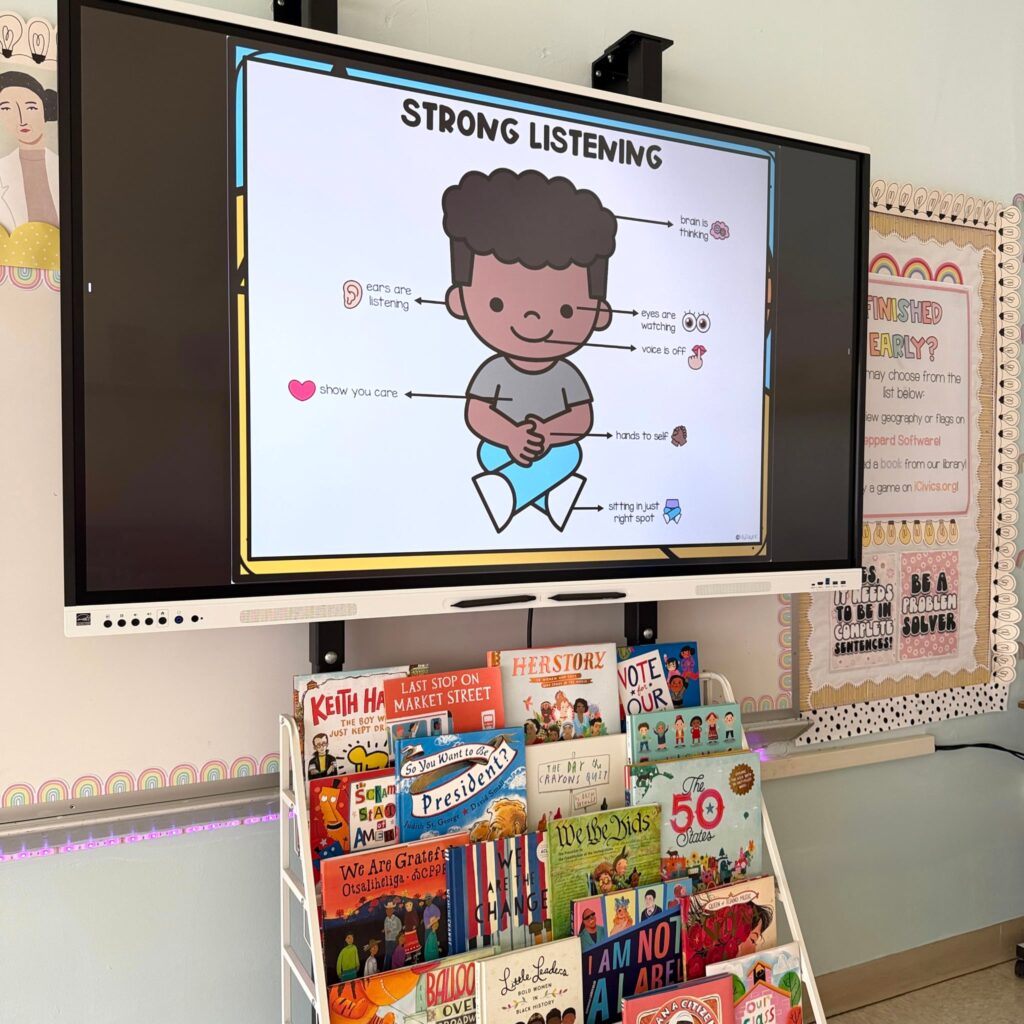
Use visuals to remind students about routines such as:
- Morning arrival
- Transitions
- Cleanup
- Independent work
- Carpet time
- Bathroom routines
- Packing up
- Hallway expectations
Post visuals near the routines they support so students can refer to them when needed. Visuals don’t replace teaching the expectation, but they give students a helpful reminder long after the original lesson and reduce the need for you to repeat the same directions over and over.
2. Use Explicit Language
Sometimes we assume students know what we mean when we give directions. “Get ready for math,” “clean up,” or “line up” may seem clear to an adult, but younger students may not know exactly what those directions look like.
Instead, tell students precisely what you want them to do.
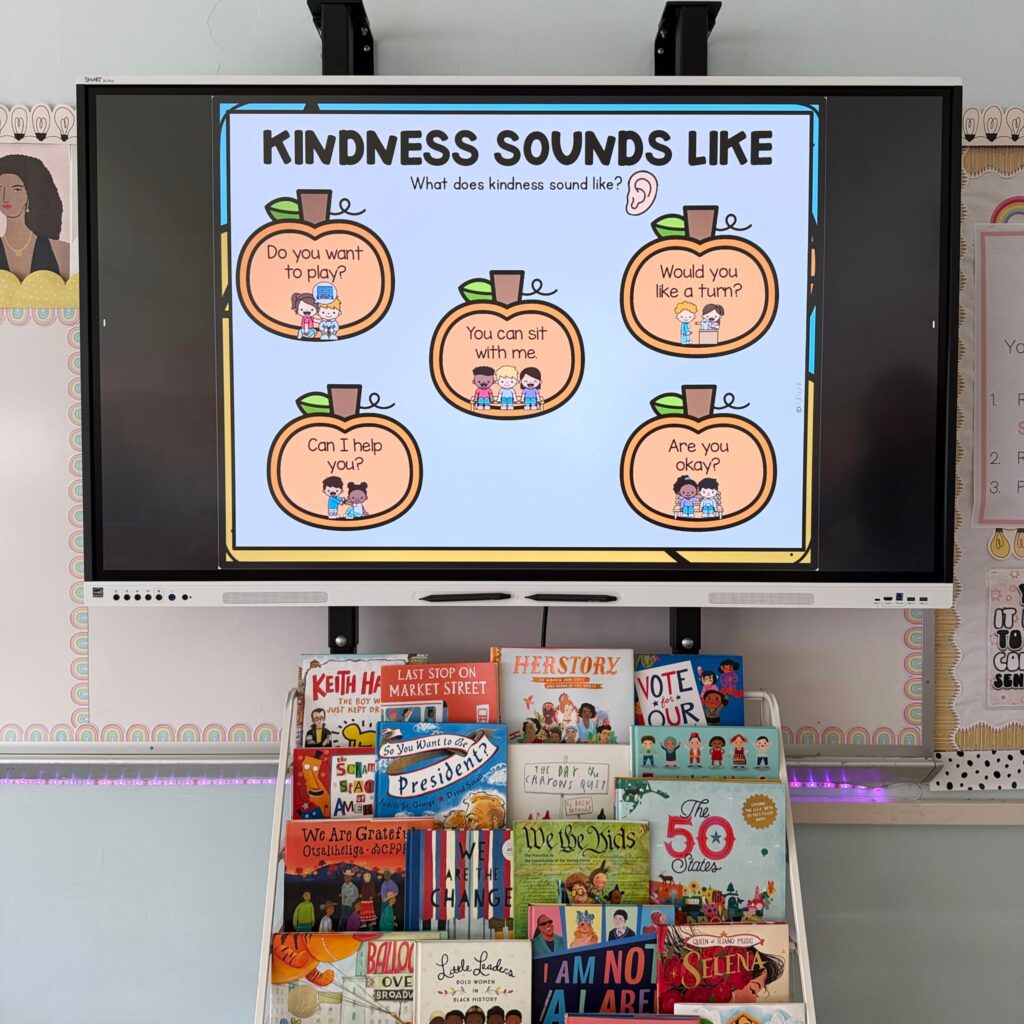
For example:
- “Put your crayons in the bin, close your notebook, and meet me on the carpet.”
- “Walk to the line, stand behind the person in front of you, and keep your hands to yourself.”
- “Put your paper in your folder, return your pencil, and begin the next activity.”
Clear directions give students a specific sequence to follow and remove some of the guesswork. This is especially helpful when you’re reviewing routines in October. Don’t assume students remember every step simply because you’ve taught it before. Be specific, model what you mean, and give students a chance to show you what they know.
3. Practice the Routine
If a routine isn’t working, practice it. It might feel strange to stop the day and practice something students have already learned, but that’s often exactly what they need.
Have students demonstrate the routine correctly, then give them another opportunity to try it. If the transition is too loud, practice the transition. If cleanup takes too long, practice cleanup. If students aren’t coming to the carpet ready to learn, practice what getting ready looks like.
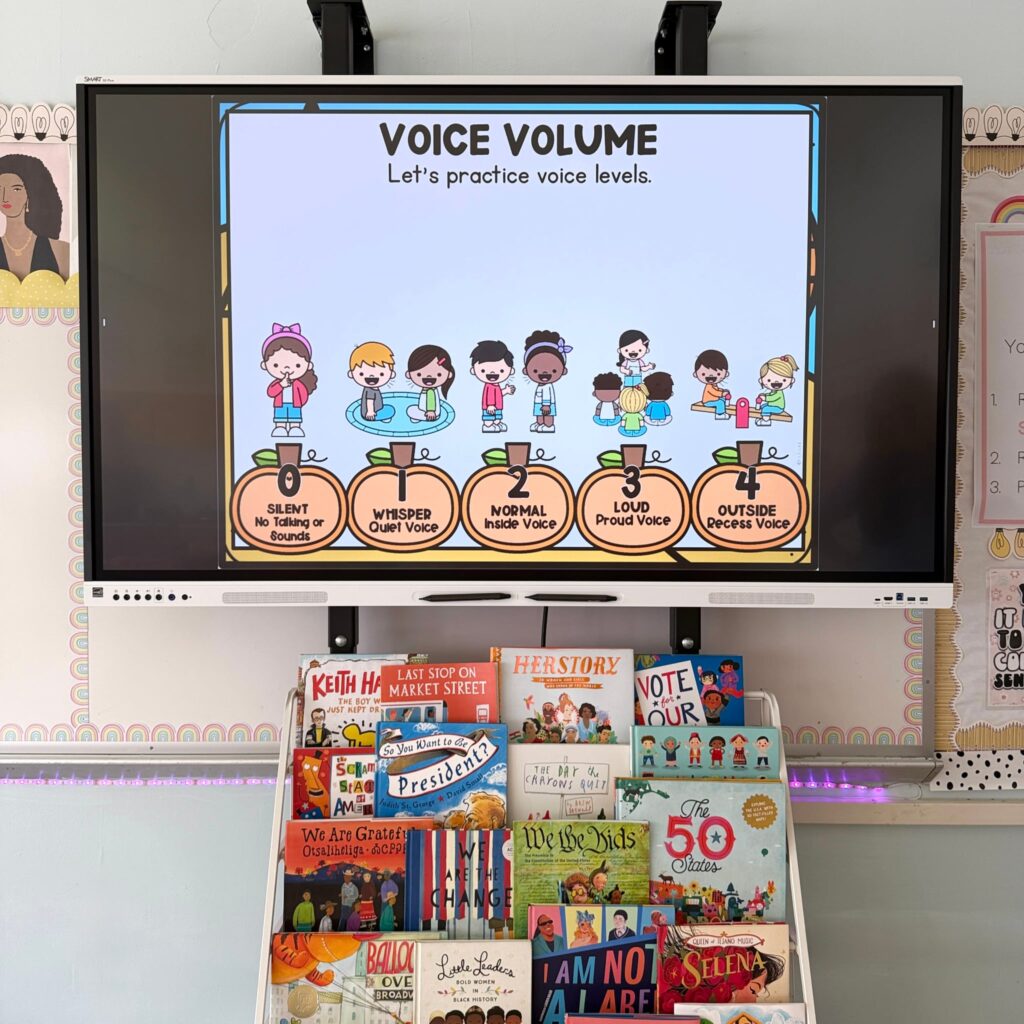
A quick practice might look like:
- Stop and explain what needs to improve.
- Model what the routine should look and sound like.
- Let students practice.
- Give specific feedback.
- Try it again if needed.
The goal isn’t to punish students for getting it wrong. It’s to give them another opportunity to learn what success looks like. Just like academic skills require practice, classroom routines need practice too.
4. Celebrate What Is Working
Classroom management isn’t just about correcting what students are doing wrong. Make a point of noticing when students are meeting expectations and be specific about what you see.
Instead of simply saying, “Good job,” try:
- “I noticed how quickly this group cleaned up and got ready.”
- “You were ready to learn before the timer even went off.”
- “I noticed everyone walking safely in the hallway.”
- “This table worked together to clean up without any reminders.”
Specific positive feedback helps students understand exactly what they’re doing well and encourages them to repeat it.
Look for opportunities to celebrate individual students, small groups, and the entire class. When students realize that you notice their positive choices, classroom expectations become less about avoiding correction and more about knowing what it means to be successful.
5. Review Regularly
Classroom expectations aren’t something you teach once in September and never mention again. Students benefit from quick reminders and refreshers throughout the entire school year, especially after weekends, holidays, schedule changes, or particularly exciting days.
Build short reviews into your day when you notice a routine beginning to slip. A two-minute reminder before a transition can save you from spending twenty minutes dealing with the same problem later.
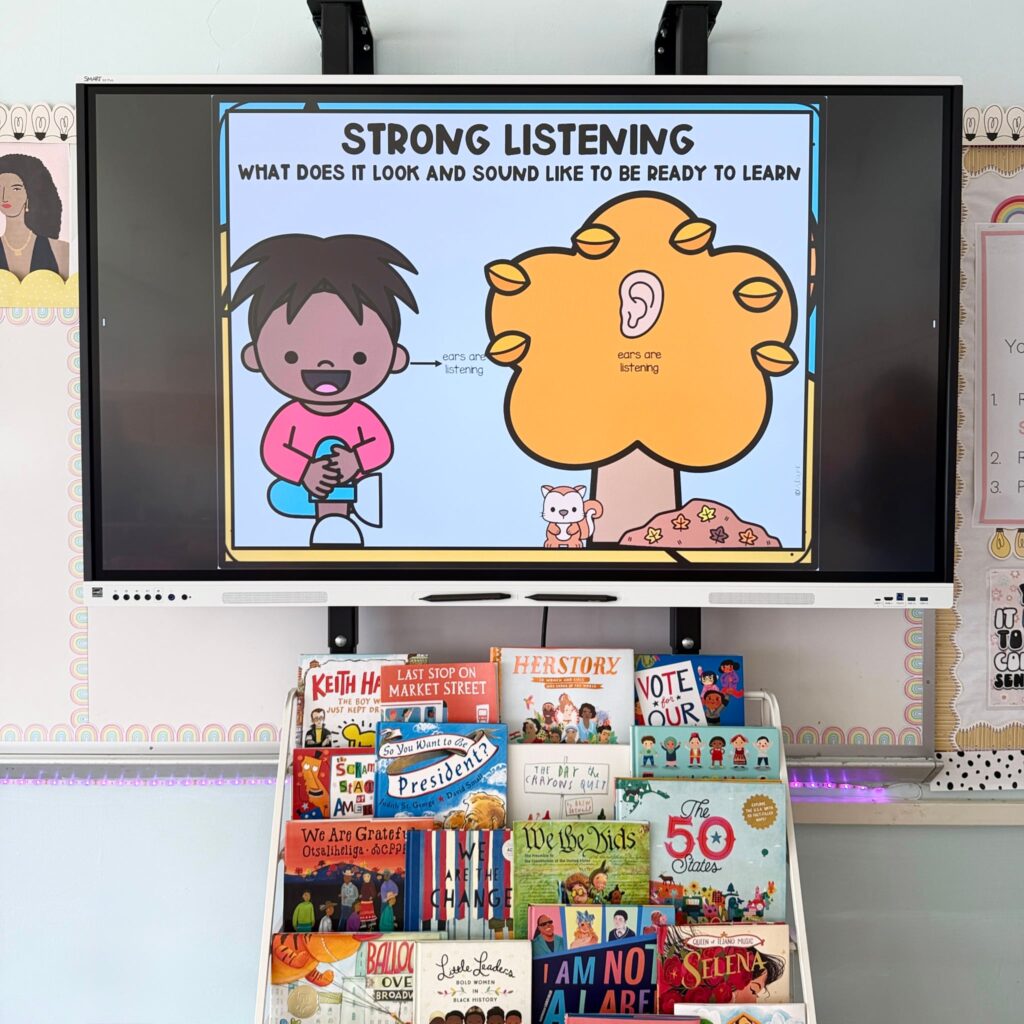
Think of expectations as something you maintain, not something you teach once and check off your list.
Don’t Wait Until Things Fall Apart
One of the biggest mistakes teachers can make with classroom management is waiting until a routine has completely fallen apart before addressing it.
You don’t have to wait for students to constantly talk during transitions before reviewing transition expectations. You don’t have to wait until cleanup takes fifteen minutes before practicing cleanup, and you definitely don’t have to wait until you’re completely frustrated before making a change.
October gives you the perfect opportunity to be proactive.
Take a few minutes to think about where your class could use a little extra support:
- Is there a transition that always feels chaotic?
- Are students struggling to work independently?
- Are directions being repeated too often?
- Is cleanup taking too long?
- Are students forgetting expectations they knew well in September?
Choose one area and focus on it. You don’t need to overhaul your entire classroom at once. Small adjustments, repeated consistently, can make a big difference.
Make Classroom Management Part of the Daily Routine
The goal isn’t to spend your entire day talking about rules and expectations. Classroom management works best when reinforcement becomes part of your everyday routines.
You can incorporate quick management moments throughout the day:
- Review a visual before a transition.
- Give specific directions before an activity.
- Practice a routine when it isn’t working.
- Praise students who are meeting expectations.
- Review expectations after a break.
- Remind students what success should look and sound like.
These small moments add up. They help students understand what is expected, give them opportunities to practice being successful, and gradually help them become more independent.
And when expectations are clear and consistent, you have more time to focus on the things you actually want to be doing: teaching, connecting with your students, and enjoying your classroom.
Need a Quick Way to Bring Your Classroom Expectations Back Into Focus?
If October has you thinking, “We need to review some things,” you don’t need to spend your precious planning time creating new classroom management lessons from scratch. This is exactly when having ready-to-use review materials can make your life easier.
My Daily Management Power Plays give you simple, ready-to-use slides for reviewing the routines and expectations your students already know. They’re designed to help you quickly revisit key classroom management skills, clarify what successful behavior looks like, and give students chances to practice before small problems become bigger ones.
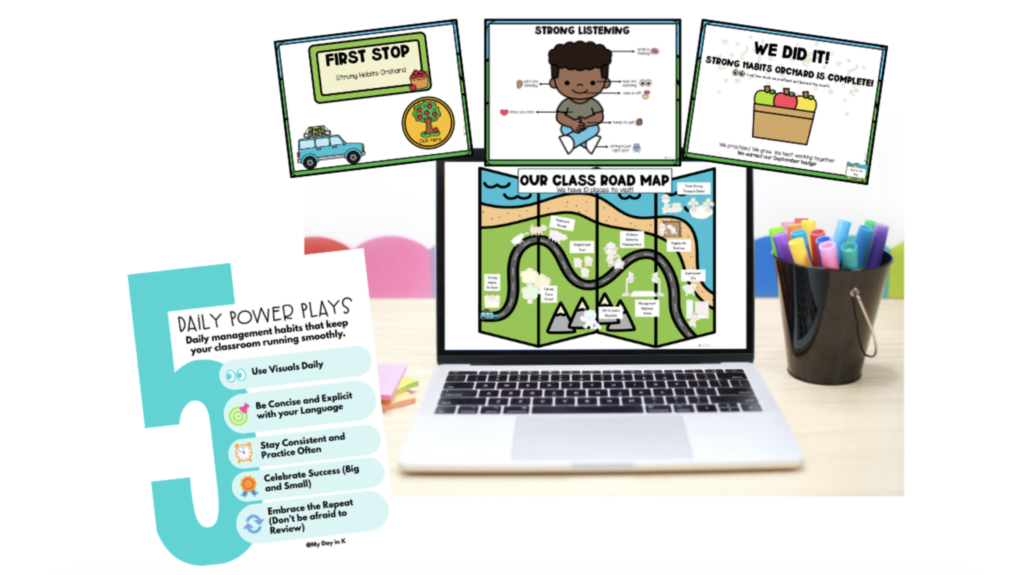
Use the slides whenever your class needs a little reset:
- Start the day with a quick expectation review.
- Review a routine that has started to slip.
- Prepare students for a challenging transition.
- Refresh expectations after a weekend or school break.
- Use them when you notice students need extra reminders.
- Build them into your regular classroom management routine.
The best part? You don’t have to wait until your classroom feels completely out of control to use them. A few minutes of intentional review can help you get ahead of those little issues and clearly remind students what you expect.
Think of them as your go-to classroom management refreshers for those moments when you know your students need a reminder, but you don’t want to spend your afternoon figuring out what to teach.
Ready to bring your classroom expectations back into focus?
Get the Daily Management Power Plays here and have ready-to-use review slides at your fingertips whenever your class needs a little reset..
Did You Make It This Far?
Made it this far? You deserve a little treat! Grab this FREE Falling into Focus activity where students cut and glue pieces onto their very own focus tree. It’s a fun, hands-on way to help students reflect on staying focused and ready to learn while bringing a little fall fun into your classroom!