How to Maintain Classroom Management After the First Few Weeks of School
The first few weeks of school can feel like a September classroom management boot camp. You teach students how to enter the classroom, practice transitions, review voice levels, and model how to ask for help, turn in work, work with a partner, and approximately 47 other routines that somehow need to happen before 9:00 a.m. For a little while, it works beautifully.
Students know what to do, transitions are getting smoother, and you barely have to remind anyone to listen during a mini-lesson. You might even start thinking, “We’ve got this.”
Then September keeps going.
The excitement of a new school year starts to wear off, and students get more comfortable. Routines that once felt brand new become familiar, a few extra reminders creep in, and the transition that used to take two minutes suddenly takes five. Students start talking while you’re giving directions, someone forgets a routine you’ve practiced approximately one hundred times, and you may find yourself wondering where those wonderfully quiet first-week students went.
This is completely normal.
The goal at this point in the year isn’t to start classroom management from scratch. It’s to maintain the routines and expectations you’ve already worked so hard to establish. September is a month for maintenance, and a little intentional review now can help prevent small habits from turning into bigger classroom management issues later.
The Honeymoon Phase Doesn’t Last Forever
There is often a little bit of a “honeymoon phase” at the beginning of the school year. Students meet their new teacher and classmates, explore their classroom, and learn new routines, while you spend a lot of time explicitly teaching expectations. Everyone is still figuring each other out, and students are usually pretty eager to show you that they know what they’re supposed to be doing.
But once students become comfortable, they naturally begin testing the boundaries of those expectations. That doesn’t necessarily mean they’re being intentionally difficult. It means they’re kids who are learning how your classroom works and figuring out which expectations are firm, which routines have become habits, and which ones might get a little more flexible if no one reminds them.
This is why the first few weeks of school shouldn’t be the only time you explicitly teach classroom management. If a routine matters in August, it still matters in September, and if students are starting to slip, that is your cue to review the routine rather than simply repeat, “Guys, we’ve already talked about this!”
Notice the Small Signs Before They Become Bigger Problems
Classroom management rarely falls apart all at once. Instead, you usually notice little things first. Students start talking while you’re giving directions, take longer to clean up, need more reminders to listen to their classmates, or take twice as long to transition from one activity to the next.
You may even notice yourself repeating the same phrases throughout the day:
“Eyes up here.”
“Please stop talking.”
“That’s not how we practiced this.”
“I shouldn’t have to keep reminding you.”
If you find yourself saying these things more often, don’t panic. It doesn’t mean your classroom management isn’t working or that you’ve somehow lost control. It may simply mean it’s time for a reset.
The earlier you address small slips in routines, the easier it is to get everyone back on track. A quick review of an expectation or a few minutes of practice can be much more effective than waiting until a routine has completely unraveled.
Go Back to the Visuals
One of the easiest ways to maintain classroom management is to keep your expectations visible. Students shouldn’t have to rely on you to verbally remind them what every routine looks and sounds like, especially for expectations they use throughout the day.
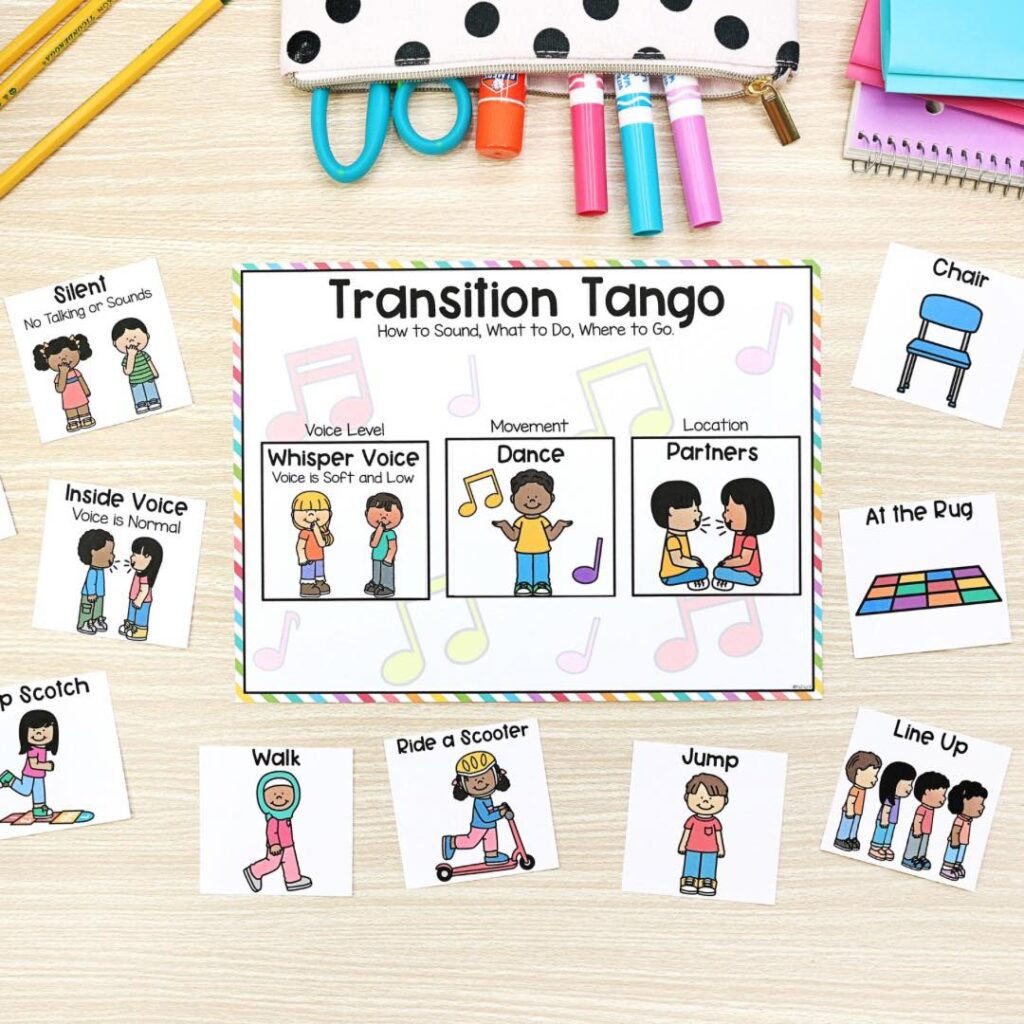
Visual reminders can be helpful for directions, listening expectations, voice levels, transitions, partner and group work, independent work, asking for help, classroom materials, clean-up routines, and getting ready for dismissal. When students can see the expectation, they have another way to remind themselves of what they should be doing.
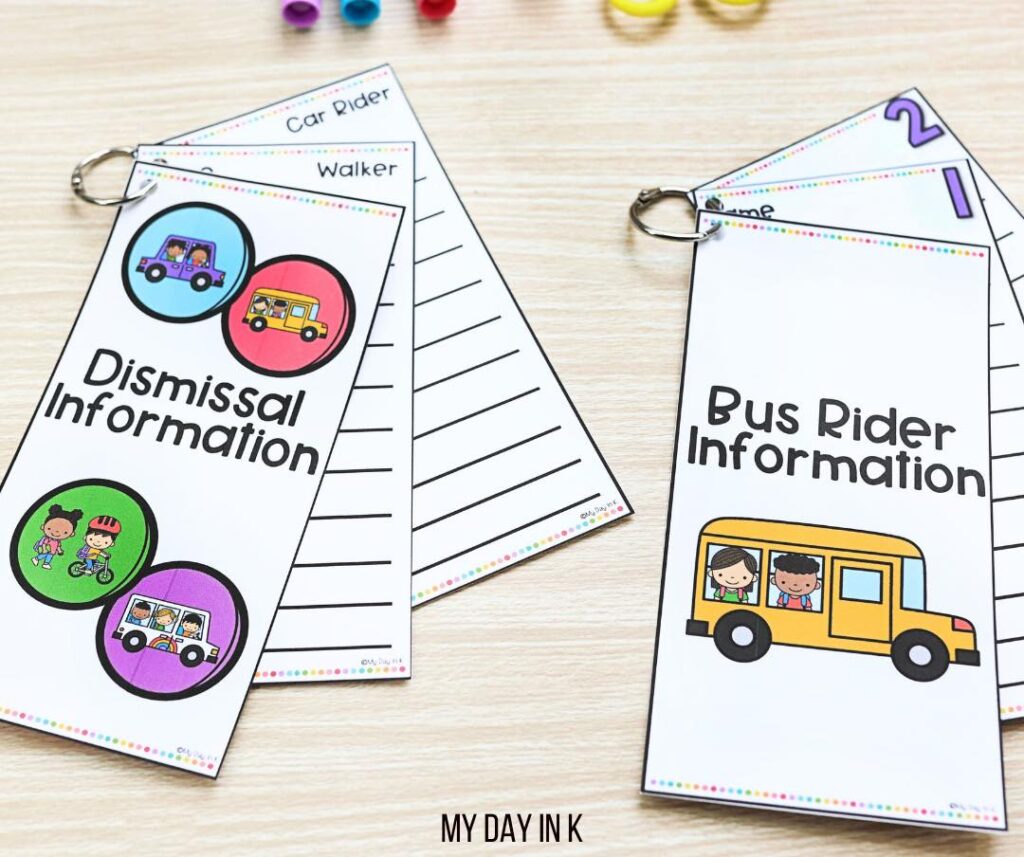
This also shifts some of the responsibility from you to your students. Instead of repeating, “What should you be doing right now?” you can point to the visual and ask students to check the expectation themselves. Over time, those visual cues can help students become more independent and reduce the number of verbal reminders you need to give.
Don’t Be Afraid to Reteach a Routine
There is a temptation to think that once you’ve taught a routine, you shouldn’t have to teach it again. But students don’t learn classroom routines once and magically remember them for the rest of the year. They need repetition, practice, and reminders, and sometimes they need a complete reteach.
If your transition to the carpet has become chaotic, stop and practice the transition again. Students aren’t listening during directions? Revisit what active listening should look and sound like. If partner work has gotten too loud, review the expectations before the next partner activity instead of waiting until the room is already out of control.
You don’t need to make this a huge production. A five-minute reset can be enough. You might say, “We’ve been in school for a few weeks now, and I’ve noticed that this routine isn’t working quite as well as it did at the beginning of the year. Let’s practice it again so we can get back to what we know.”
This keeps the conversation focused on the routine rather than making students feel like they’re in trouble. You’re simply acknowledging that a habit has started to slip and giving everyone a chance to practice getting back on track.
Use Intentional Practice, Not Just Reminders
One of the biggest September classroom management mistakes is relying on verbal reminders instead of giving students opportunities to practice. If students are struggling with a math skill, you wouldn’t simply tell them to “do better.” You would give them more opportunities to practice the skill, and classroom routines work the same way.
If transitions are taking too long, practice the transition; if students aren’t using appropriate listening behaviors, practice listening. If group work is becoming chaotic, practice what productive group work looks and sounds like. This might mean having students pretend to line up, walk back to their seats, or transition to a center more than once.
Yes, it can feel a little silly, especially when you’re several weeks into the school year and thinking, “Didn’t we already do this?” But a few minutes of intentional practice can save you dozens of frustrating reminders later. The goal isn’t to punish students for forgetting. It’s to give them another opportunity to build the habit.
Refresh Expectations Before You Need Them
Another helpful strategy is to review expectations before a situation where students will need them. Don’t wait until the room is already loud to talk about voice levels, or until a group activity is falling apart to explain how students should work together. Instead, give students a quick reminder before they begin.
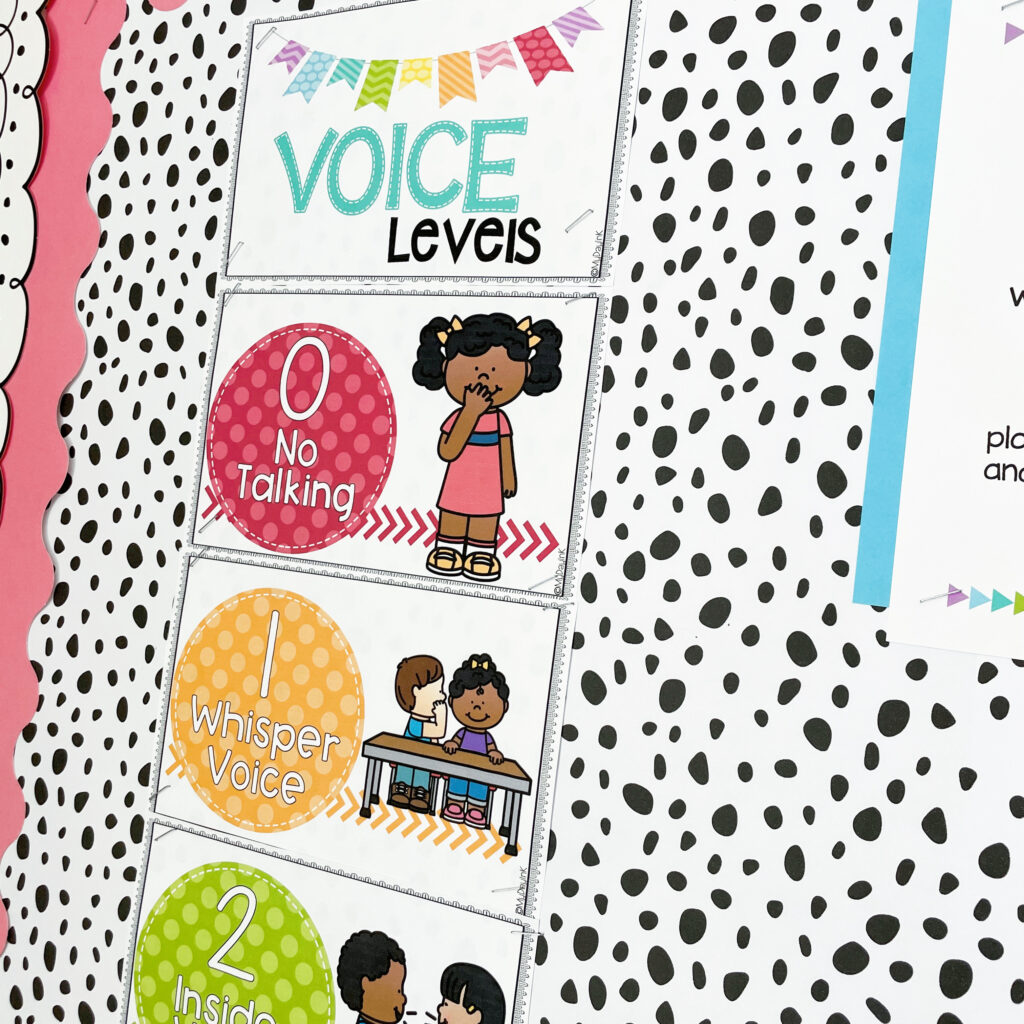
Before partner work, you might say, “Remember, when you’re working with a partner, both people should have a chance to talk and both people should be listening.” Before a transition, remind students, “When I give the signal, voices should be off, materials should be put away, and your eyes should be on the next task.”
These quick reminders take seconds but can prevent a lot of problems. You’re essentially giving students a chance to bring the expectation back to the front of their minds before they have to use it.
Focus on One Habit at a Time
When September classroom management starts feeling a little shaky, it can be tempting to try to fix everything at once. Resist that urge and choose one or two habits that need the most attention.
Maybe students are doing a great job during instruction, but transitions have become a mess. Focus on transitions. Maybe transitions are fine, but students are talking over each other during discussions. Focus on listening and speaking expectations. Maybe the biggest issue is that students rush through clean-up, so that’s the routine you spend extra time reviewing.
Small, targeted resets are often much more effective than giving students a giant list of everything they’re doing wrong. When you focus on one specific habit, students know exactly what you’re working on and have a clear goal to work toward.
Celebrate the Habits That Are Working
Maintaining classroom management isn’t only about correcting what isn’t working. It’s also about noticing what is working and making sure students know when they’re meeting your expectations.
When students transition quickly, point it out. If the class listens respectfully to a classmate, acknowledge it. When students follow a routine independently without needing a reminder, celebrate it. Try using specific feedback instead of general praise so students understand exactly what successful classroom habits look like.
For example, you might say, “I noticed that this table was ready with materials and listening before I even finished giving directions,” or “You all transitioned in under a minute without any reminders. That’s exactly what we’ve been practicing.” Specific feedback helps students recognize the behaviors you want to see again, and it reinforces the idea that classroom management isn’t just about what they shouldn’t do. It’s also about the positive habits they are building.
Remember: Consistency Matters More Than Perfection
Your September classroom management does not need to look perfect every day. There will be noisy mornings, transitions that take forever, and days when you give the same reminder 12 times before lunch. That’s teaching.
The goal isn’t to create a classroom where students never need reminders. The goal is to create a classroom where students know the expectations, understand the routines, and are consistently guided back to them when they forget.
Your response matters. If a routine starts slipping, bring it back calmly. When expectations need review, review them. If students need more practice, give them more practice. You don’t need to scrap everything you’ve built because September got a little messier. You just need to maintain it.
A Quick September Classroom Management Reset
If your classroom is starting to feel a little less organized than it did during the first week of school, take a few minutes to reflect on what you’re noticing. Which routines are still working well? Which routines are starting to slip? What expectations are you repeating most often? Is there a routine you need to explicitly reteach? Could a visual reminder help? What is one classroom habit you want students to strengthen this week?
Then choose one or two areas to focus on. You don’t need a completely new September classroom management system. You just need to strengthen what you already have.
Give Students a Visual Reminder
Sometimes students simply need a quick visual cue to remember what you’ve already taught them. That’s why I’ve put together a few free September Listening Expectations and Growing Strong Habits slides you can use in your classroom.
These slides make it easy to revisit important classroom habits without turning every reminder into a lengthy conversation. Use them during morning meeting, before a lesson, as part of a quick class reset, or anytime you notice students need a little reminder of what successful classroom habits look like.
Download the free September Listening Expectations and Growing Strong Habits slides.
Like This Visual? You’ll Love Management Made Simple.
If this simple visual gives you one less thing to create, one less expectation to repeat, and one more way to help your students understand what you need from them, imagine having that kind of support every single month.
That’s exactly what Management Made Simple Club was created to do.
You shouldn’t have to spend your Sunday afternoon searching for classroom management ideas, creating slides from scratch, or trying to figure out how to get your routines back on track every time things start to slip. You already have enough on your plate.
Inside Management Made Simple, you get ongoing, bite-sized classroom management support designed to help you maintain the routines you’ve worked so hard to establish. Each month includes a practical management training, ready-to-use visuals and slides, SEL tools and activities, teacher calm resources, and a done-for-you resource pack so you can put the ideas into practice without adding more work to your to-do list.
And the support doesn’t stop after the first few weeks of school.

You’ll get fresh resources throughout the year focused on the classroom management challenges that come up as the school year changes, from calm transitions and voice levels to reteaching routines after breaks, encouraging independence, and keeping students motivated.
You don’t need another classroom management system. You need support maintaining the one you already have.
Management Made Simple gives you the tools to reset when things get off track, reinforce expectations before small problems become big ones, and keep your classroom feeling calm and consistent without constantly starting over.
And because the resources inside the Club are exclusive to members, you’re getting brand-new materials each month rather than another collection of resources you’ve already seen.
So if you downloaded these September visuals and thought, “This is exactly what I needed,” this is your next step.
Join Management Made Simple Club and let someone else do the planning for your classroom management.
For just $9.99 a month, you’ll have a steady source of practical tools, training, and support to help you manage your classroom with more confidence and less overwhelm.
You worked hard to build those routines. Now let’s make them last.
Join Management Made Simple Club
Keep the Momentum Going All Year
The routines you establish during the first few weeks of school are important, but maintaining them is where the real work happens. As the year continues, students will change, your classroom needs will change, and certain routines will need to be revisited.
That’s why classroom management isn’t something you teach once and check off your list. It’s something you continue to reinforce throughout the year. The routines that keep your classroom running smoothly need occasional reminders, refreshers, and opportunities for students to practice.
And you don’t have to create all of those supports yourself.
Want the rest of the September management plan? Inside Management Made Simple, I’ve already created the visuals, slides, SEL tools, and monthly support to help you maintain the routines you worked so hard to establish.
Instead of spending your planning time creating another set of classroom management visuals, you can grab the resources you need and focus your energy on your students.
Because September classroom management isn’t about starting over. It’s about keeping the good habits going.
Ready to Make Classroom Management Simpler?
You’ve already put in the work to teach your routines and establish expectations. Now you need the support to keep them going.
Management Made Simple Club gives you fresh classroom management training, exclusive visuals, SEL tools, teacher calm resources, and done-for-you materials each month, all designed to help you maintain a calm, consistent classroom without adding more to your workload.
You don’t have to wait until your classroom feels completely off track to reset. Get the tools you need to reinforce expectations, refresh routines, and keep your classroom running smoothly all year long.
Join Management Made Simple Club today and make classroom management one less thing you have to figure out on your own.