Autumn Activities for Primary Classrooms: Fun Fall Ideas for Young Learners
There’s just something about autumn that makes it easier to get kids excited about learning. The changing leaves, cooler weather, pumpkins, apples, and cozy classroom vibes give teachers plenty of opportunities to bring seasonal learning into the classroom. You don’t need to completely reinvent your curriculum to make your classroom feel like fall. A few simple autumn-themed activities can add some excitement to your regular math, science, literacy, and social-emotional learning lessons. If you’re looking for autumn activities for primary students, these ideas are easy to add to your classroom and can be adapted for kindergarten through second grade.
1. Try a Dissolving Pumpkin Science Experiment
Fall is the perfect time to bring a little seasonal fun into your science lessons, and you don’t need complicated materials to make it happen. Young students love watching things change right in front of them, which makes a simple candy experiment a great way to introduce scientific thinking. Instead of just telling students what will happen, let them make predictions, observe the changes, and discuss why they think the results occurred. It’s hands-on, a little messy, and exactly the kind of activity that tends to keep primary students engaged.
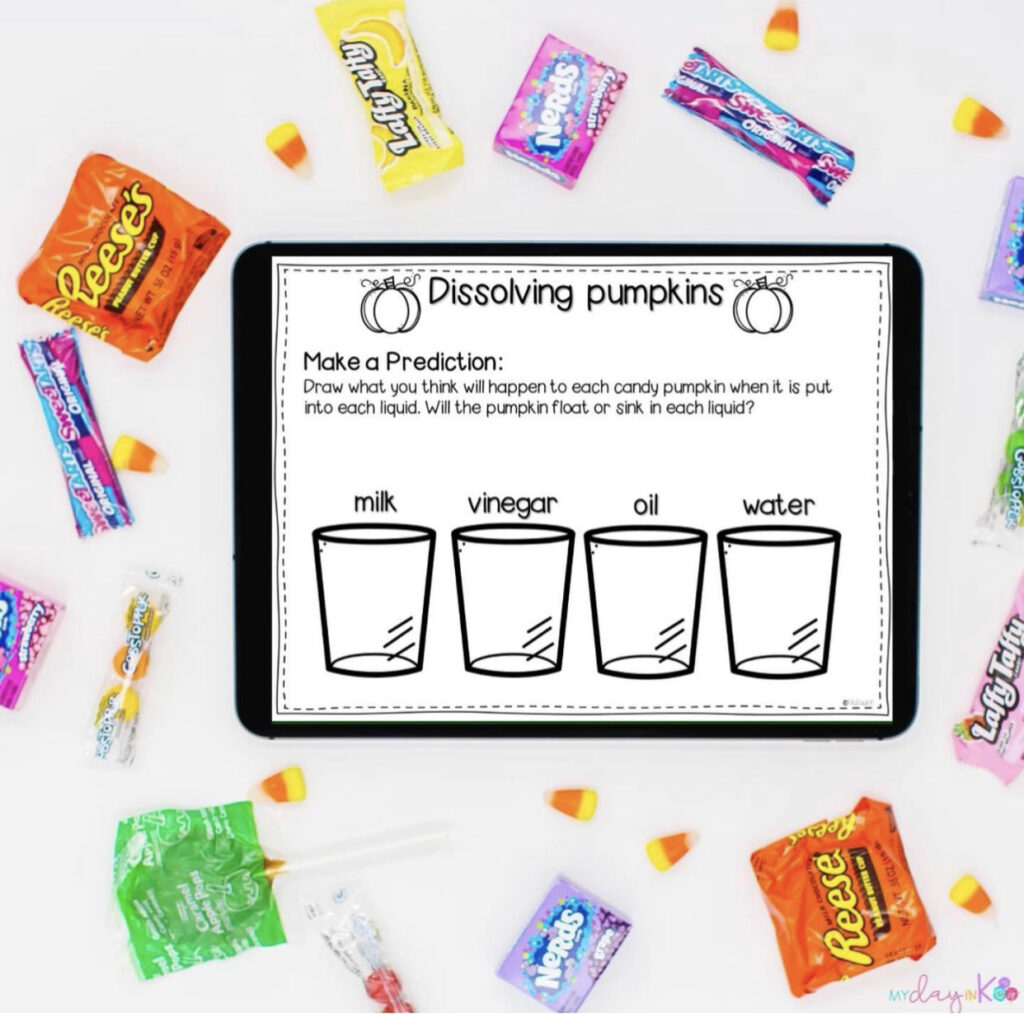
Turn a classic fall treat into a simple science investigation with a dissolving pumpkin experiment. Students can predict what will happen when different types of liquids come into contact with pumpkin-shaped candy, then observe the results over time.
2. Set Up Fall-Themed Math Centers
Math centers are already a great way to give primary students hands-on practice, so why not give them a seasonal makeover? Adding pumpkins, leaves, apples, and other fall themes can make familiar math skills feel fresh without requiring you to completely change what you’re teaching. Seasonal centers are especially helpful in the fall, when students are still settling into classroom routines and learning to work independently or with a partner.
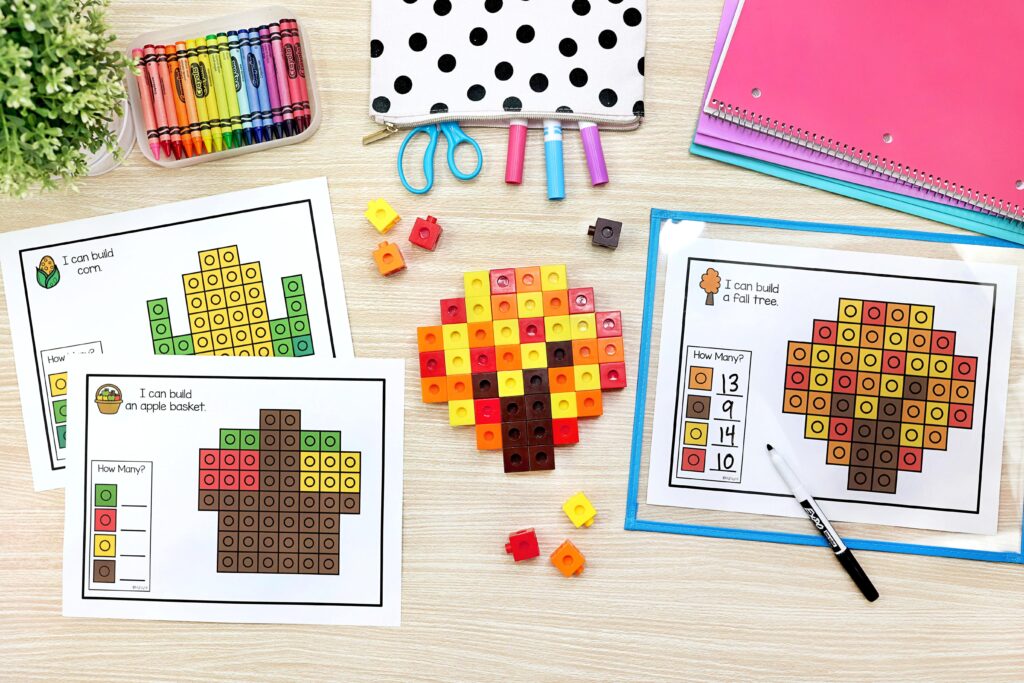
The best part is that you can keep the math skills exactly where they need to be while simply changing the theme. Students can practice counting, patterns, shapes, number sense, and other foundational skills through fun autumn-themed activities.
3. Practice Strong vs. Weak Choices
The beginning of the school year is filled with reminders about classroom expectations, but students need plenty of opportunities to actually practice making good choices. Rather than simply reviewing a list of classroom rules, turn those expectations into real-life scenarios students can discuss. This gives children a chance to consider how their choices affect them, their classmates, and the overall classroom environment.
Fall is a great time to revisit these ideas because students are becoming more comfortable with classroom routines and starting to navigate friendships, group work, and independent responsibilities. A simple strong-versus-weak-choice activity can make those conversations much more concrete for young learners.
4. Go on a Leaf Hunt
Sometimes the best autumn activities for primary students are ones that get students out of their seats and into the fresh air. A simple leaf hunt can turn a walk around the school grounds into an opportunity for observation, vocabulary development, sorting, comparing, and even early science skills. Primary students naturally want to investigate the leaves, trees, and other things they see outside, so give them a purpose for their exploration.
You don’t need a huge list or complicated materials. A simple checklist can turn an ordinary walk into a mini outdoor learning adventure.
5. Make Leaf Rubbings
There’s something about collecting leaves that makes students instantly interested in fall. Take that natural curiosity and turn it into a simple art-and-science activity that lets students really look at the details of what they’ve collected. Leaf rubbings are inexpensive, easy to set up, and adaptable for a variety of ages.
Students can experiment with different leaves, colors, and pressure levels while discovering shapes, textures, and veins they may not have noticed before. It’s also a great activity for a quieter afternoon when you want students engaged without introducing another complicated lesson.
6. Create an Apple Investigation
Apples are one of those classic signs of fall that can easily find their way into your classroom. Instead of simply enjoying an apple snack, turn the experience into a hands-on investigation. Primary students can use their senses, make observations, compare different apples, and share what they notice.
This activity can easily stretch across several subject areas, too. What begins as a simple science investigation can turn into a graphing lesson, descriptive writing activity, or even an opinion-writing lesson. Plus, students tend to be much more interested in writing when they’ve actually experienced what they’re writing about.
7. Make a Fall Sensory Bin
Sensory bins can be a great addition to a primary classroom, especially when you give students a clear learning purpose for using them. A fall-themed bin gives students an opportunity to explore different textures and objects while also practicing fine-motor skills, vocabulary, counting, sorting, and letter or number recognition.
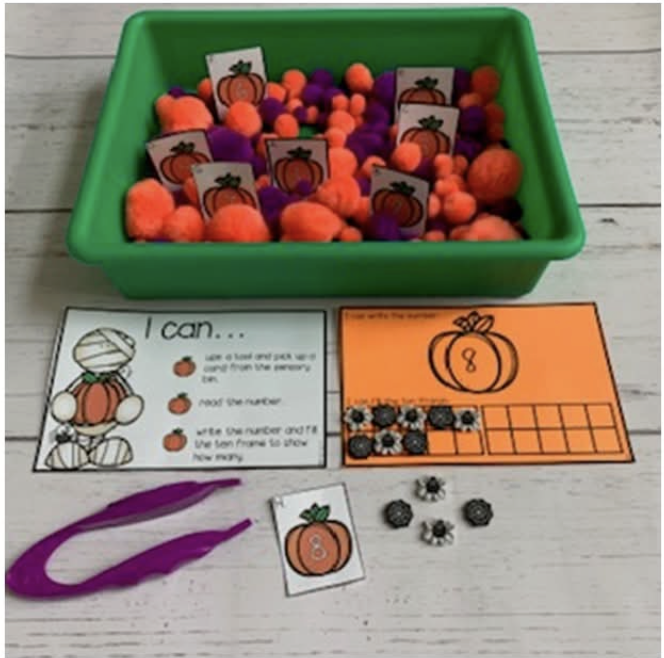
You can make the activity as simple or academic as you want. For some students, simply scooping and exploring is enough. For others, hiding letters, numbers, sight words, or math manipulatives inside the bin gives them an extra challenge.
8. Have a Fall Scavenger Hunt
If your students have been sitting for most of the morning, a fall scavenger hunt is an easy way to get them moving while still keeping the learning going. The changing season gives you a built-in list of things students can observe, making this activity require very little preparation.
You can make your scavenger hunt focused on science and nature, or add descriptive language and sensory details to bring in literacy. Students can work independently, with partners, or in small groups as they explore their surroundings and look for different signs of autumn.
9. Make a Fall-Themed Writing Craft
For many primary students, getting started with writing can be the hardest part. A seasonal prompt gives them something familiar and fun to write about, which can make the blank page feel a little less intimidating. Autumn provides plenty of natural writing topics.
- Pumpkins
- Leaves
- Halloween
- Apple picking
- Changing weather
- Cozy fall traditions.
You can also easily differentiate the activity based on your students’ writing abilities. Some students might complete a sentence starter and draw a picture, while others can write an entire narrative or opinion paragraph.
10. Create a Classroom Fall Graph
Fall-themed questions are an easy way to make graphing more meaningful for young students. They can connect the data to their own interests. Instead of working with random numbers or made-up characters, students get to see how their classmates answered the same question.
A simple class question can turn into a full math conversation. Students can collect the data, create a graph, compare categories, and answer questions about the results. It’s a great way to practice foundational data skills without making the lesson feel overly formal.
11. Have a Fall Read-Aloud
Fall is also a wonderful time to slow things down and enjoy a good picture book together. A seasonal read-aloud can create a cozy classroom moment while also giving you opportunities to work on comprehension, vocabulary, prediction, sequencing, and discussion skills.
- The Leaf Thief by Alice Hemming — A funny, engaging story about Squirrel trying to figure out why the leaves are disappearing from his tree. Great for discussing seasonal changes and making predictions.
- Fletcher and the Falling Leaves by Julia Rawlinson — A sweet story about a little fox who worries when the leaves begin falling from his favorite tree. It opens the door to conversations about change, feelings, and the seasons.
- There Was an Old Lady Who Swallowed Some Leaves! by Lucille Colandro — A silly, repetitive story that young students love. Use it to practice sequencing, predicting, rhyming, and retelling.
- Goodbye Summer, Hello Autumn by Kenard Pak — Follow a young girl as she walks through her town and the woods, noticing all the signs that summer is changing into fall. This one is especially good for connecting literacy and science. Grab this FREE writing activity that pairs well with this book. Click HERE
- Leaf Man by Lois Ehlert — A beautifully illustrated book featuring leaves and other natural objects. It would be a great introduction to a leaf-collection, leaf-rubbing, or leaf-art activity.
There are so many wonderful autumn books for primary students that you can easily find one to match almost any of the autumn activities for primary students above. Choose a story about changing leaves for a science connection, a silly fall story for sequencing and prediction, or a book about friendship and change for an SEL discussion.
12. Turn Your Read-Aloud Into a Learning Activity
A great picture book doesn’t have to end when you close the cover. With just a little planning, you can turn a fall read-aloud into a full learning experience. You can easily create one that connects to reading, writing, science, or social-emotional learning. This is especially helpful when you’re trying to fit autumn activities for primary students into an already busy curriculum.
The key is to keep the follow-up activity simple. You don’t need a huge craft or complicated worksheet. A quick discussion, a graphic organizer, a writing response, or a hands-on activity can help students take the ideas from the story and apply them in a new way.
Make Autumn Learning Simple
You don’t need a classroom full of pumpkins and elaborate decorations to make autumn exciting for primary students. The season itself gives you plenty of opportunities to explore science, math, literacy, social-emotional learning, and the natural world.
Whether you’re dissolving pumpkin candy, counting leaves, practicing strong choices, exploring outside, or curling up with a fall read-aloud, these autumn activities for primary students can make your regular curriculum feel a little more festive.
If you can turn a math center, science experiment, or writing activity into something involving pumpkins and leaves, your students will probably be all for it.