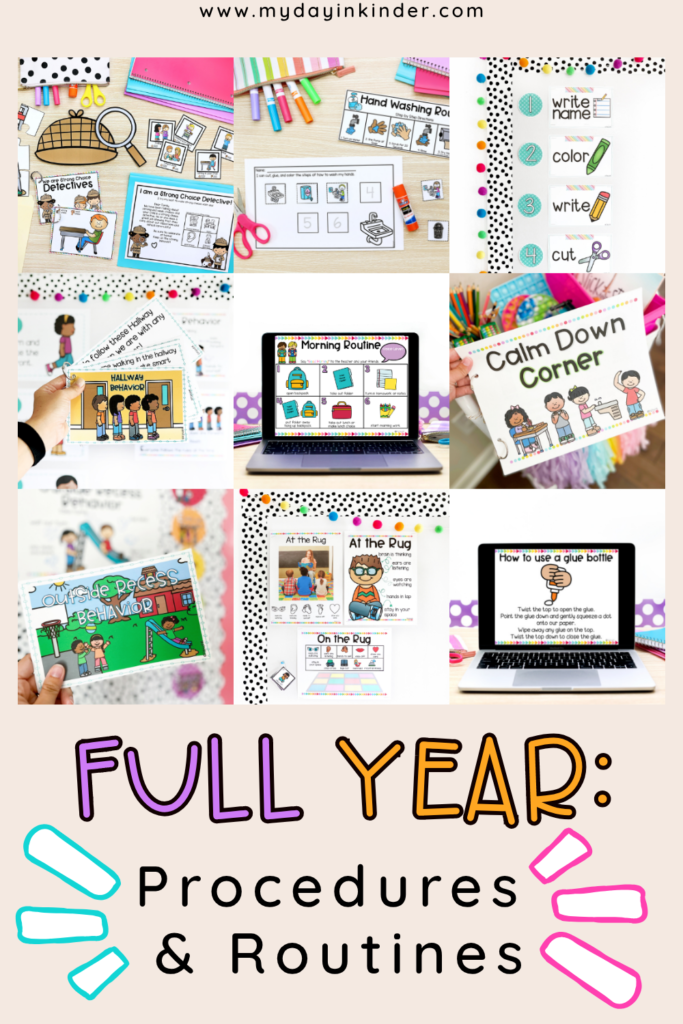
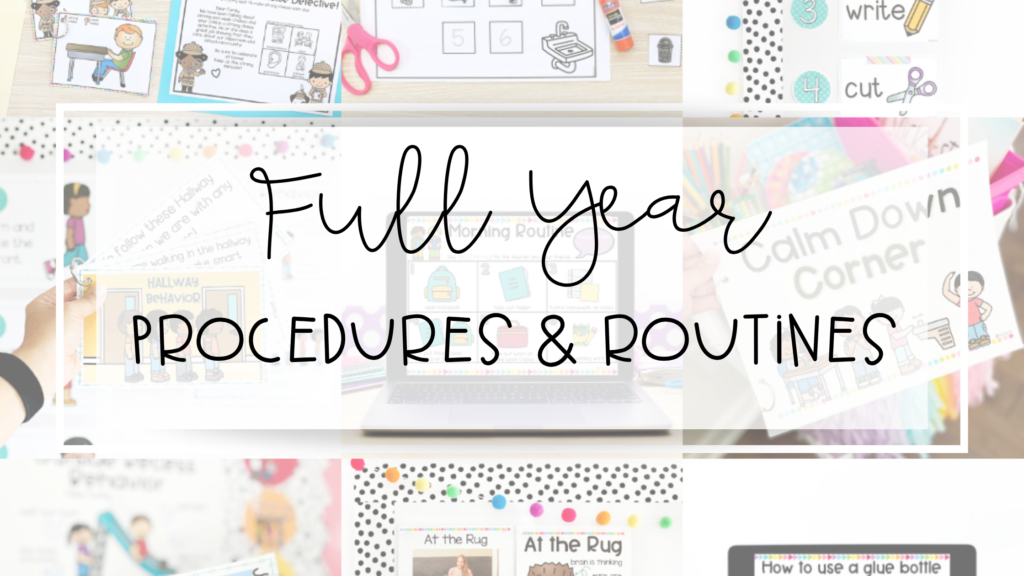
Full Year Procedures and Routines in the Classroom: A Seasonal Checklist for Teachers
Teaching classroom procedures and routines isn’t a one-and-done task. You might spend the first few weeks of school teaching students how to walk in the hallway, turn in their work, use classroom materials, and transition between activities, only to realize a few months later that some of those routines have mysteriously disappeared.
Sound familiar?
The truth is that students need reminders throughout the school year. As the year goes on, routines can get a little loose, students become more comfortable, schedules change, and special events and holidays can throw everyone off. That’s why having a plan for full year procedures and routines in the classroom can make classroom management much more manageable.
Instead of waiting until a routine becomes a problem, make procedure reviews a regular part of your classroom routine.
Why Classroom Procedures and Routines Need to Be Reviewed All Year
It can be tempting to think that once you’ve taught a procedure, students should remember it for the rest of the year. In reality, repetition is especially important for younger students.
A routine that students mastered in September might need a refresher in November. After winter break, you may need to reteach procedures that seemed completely automatic before vacation. By spring, students may be excited about warmer weather, upcoming events, and the end of the school year, which can make even your strongest routines start to slip.
The goal isn’t to constantly reteach everything from scratch. Instead, think of procedure reviews as quick tune-ups.
A five-minute reminder during morning meeting, a quick modeling activity before a transition, or a class discussion about making strong choices can be enough to get everyone back on track.
What Procedures Should You Review?
Every classroom is different, but there are some routines that are worth revisiting regularly.
Think about procedures for:
- Entering the classroom
- Morning routines
- Unpacking and getting ready for the day
- Carpet or whole-group time
- Raising hands and participating
- Asking for help
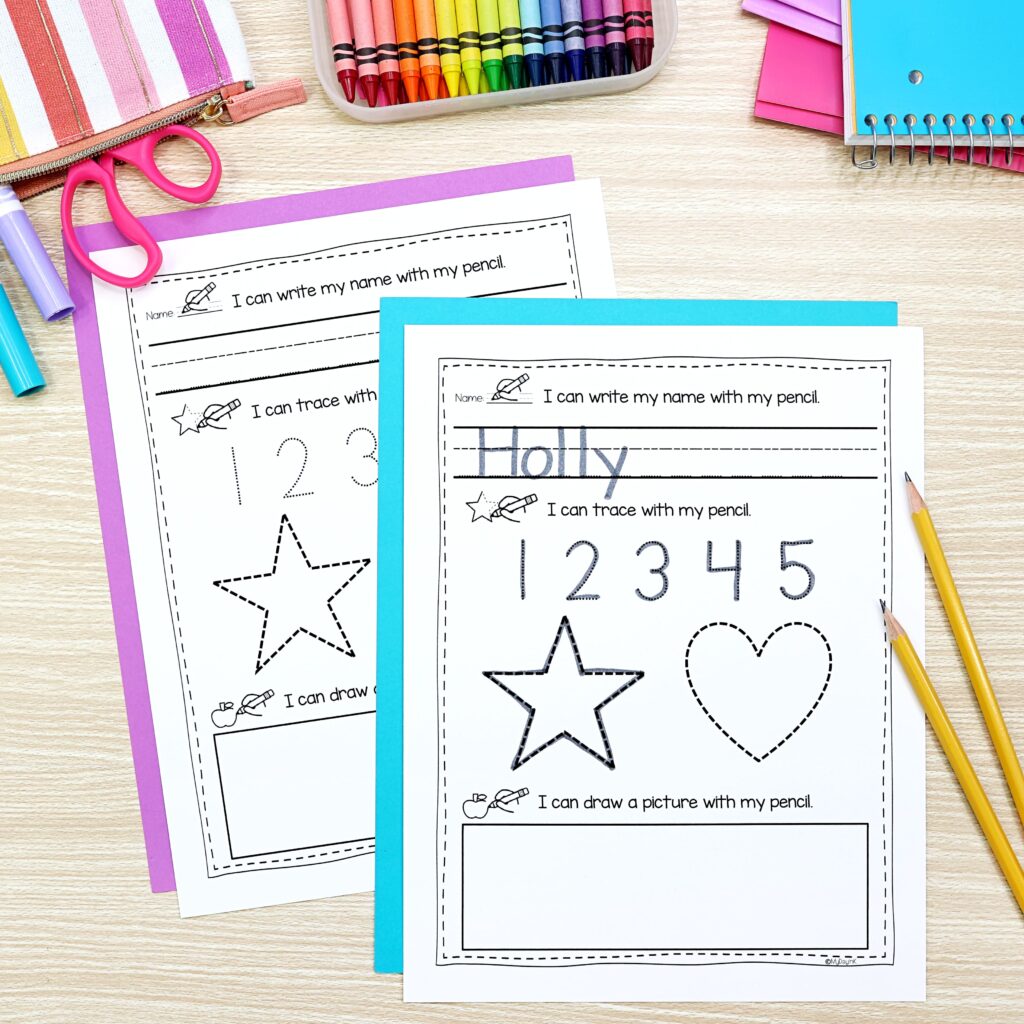
- Using classroom materials
- Centers and independent work
- Partner and group work
- Transitions
- Walking in the hallway
- Using the bathroom
- Getting a drink of water
- Cleaning up
- Turning in assignments
- Sharpening pencils
- Using technology
- Getting ready for dismissal
- Responding to substitute teachers
- Handling classroom conflicts
- Making safe and respectful choices
You don’t have to review every procedure every month. Instead, pay attention to the routines that are starting to fall apart and intentionally schedule reminders throughout the year.
Fall: Establish, Practice, and Reinforce
The fall is when you’re laying the foundation for your classroom. September is all about explicitly teaching procedures, modeling expectations, and giving students plenty of opportunities to practice.
But don’t stop once the first few weeks are over.
By October and November, students are more comfortable in the classroom, which is great, but that comfort can also mean that some routines start to get a little sloppy. Suddenly students are wandering around during transitions, talking while you’re giving directions, or forgetting what they’re supposed to do when they finish their work.
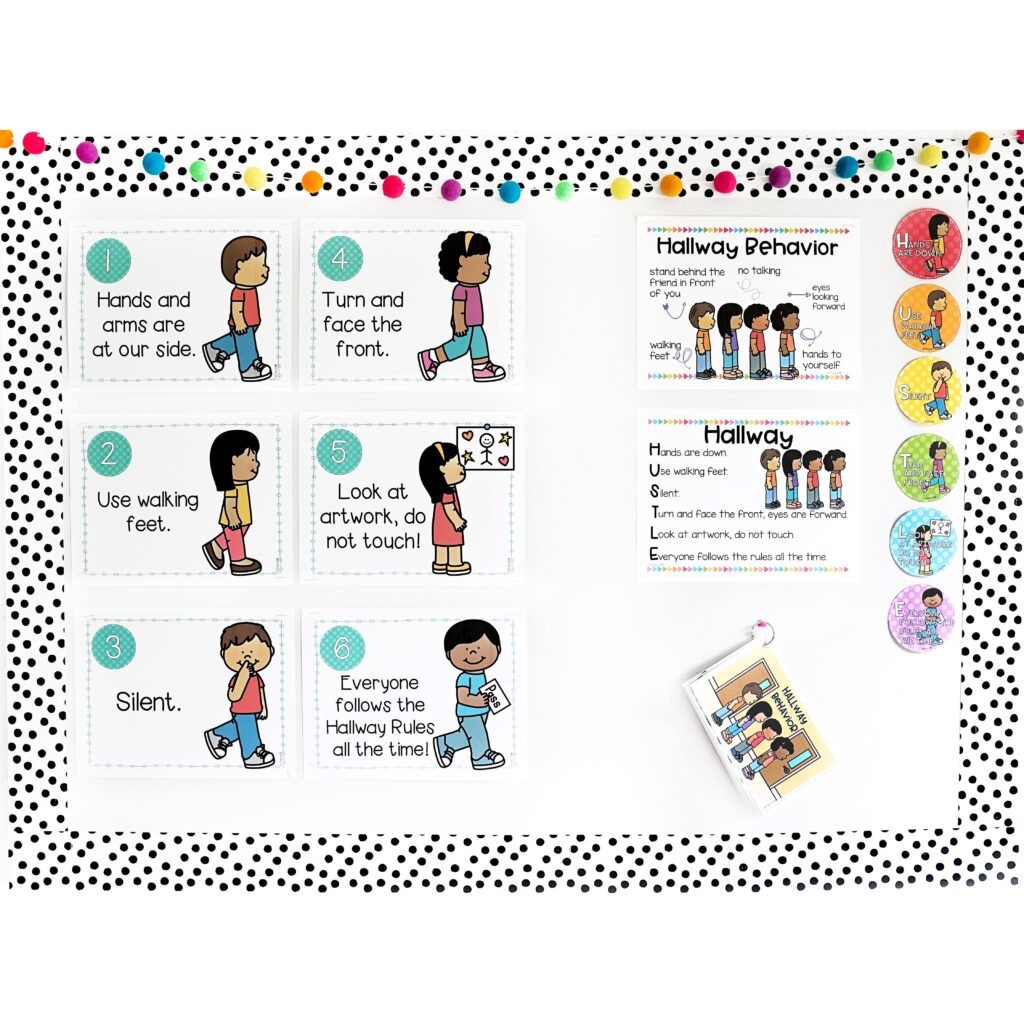
This is the perfect time for a classroom reset.
Review your morning routine, transitions, classroom materials, group work, and expectations for independent work. You can also introduce seasonal scenarios that allow students to think about how their choices affect the classroom.
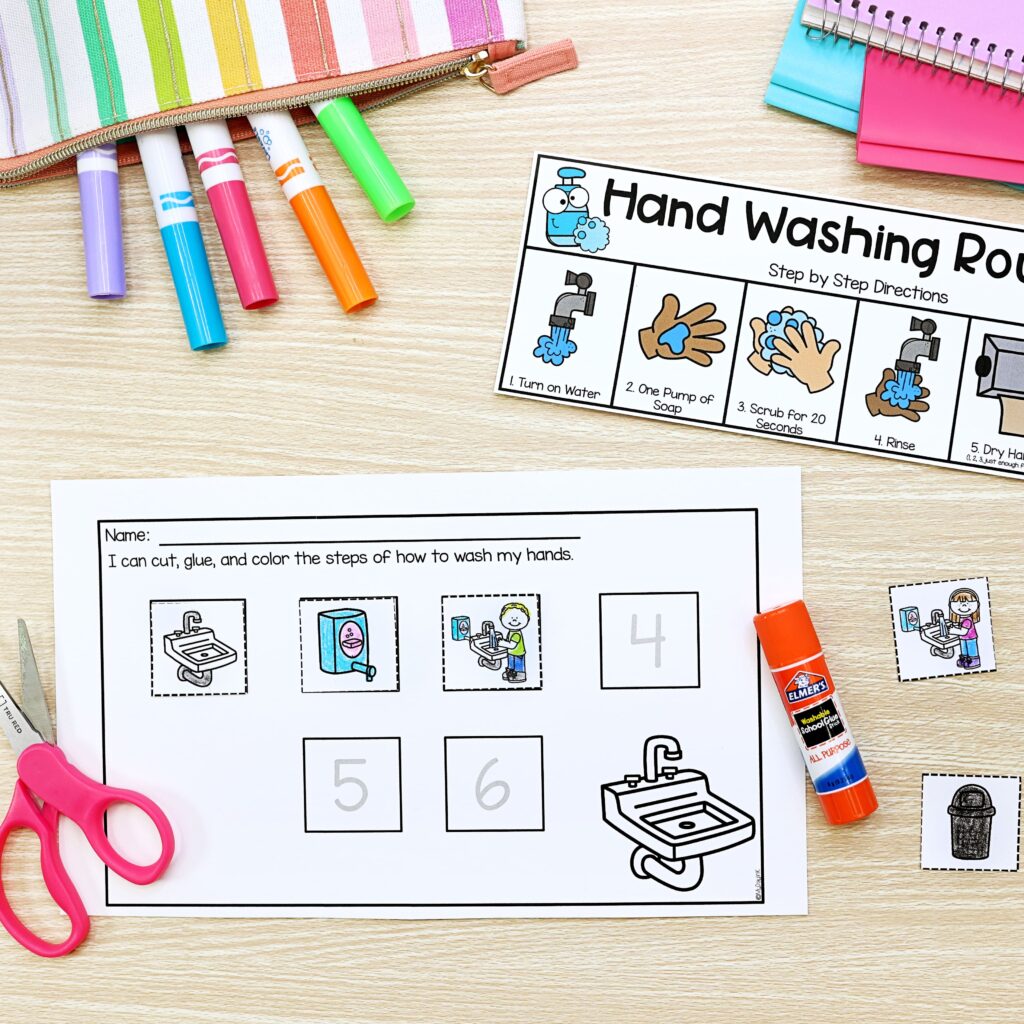
A year-long resource like the Classroom Procedures & Expectations Review bundle can make these reviews easier to fit into your schedule. It includes monthly classroom management and expectations slides as well as Strong vs. Weak Choices activities that can be used for morning meetings, class meetings, transitions, or quick behavior refreshers.
Fall Procedure Checklist
- Morning arrival routine
- Unpacking and organizing belongings
- Morning work procedures
- Carpet/whole-group expectations
- Raising hands and participating
- Transition procedures
- Center or small-group expectations
- Using classroom supplies
- Independent work expectations
- Partner work
- Hallway procedures
- Bathroom and water procedures
- Cleanup routines
- Dismissal procedures
- Strong vs. weak choices
- Appropriate behavior during special events and holidays
Winter: Reset After Break
Winter is one of the most important times to revisit classroom procedures and routines and continue to build that classroom community.
After a long break, students may need a little time to get back into the rhythm of school. Even routines that were second nature in December can suddenly require reminders in January.
Looking for visuals, click HERE
Instead of assuming students remember everything, treat the return from break as a mini reset.
Spend some time reviewing the basics. What does a successful morning look like? How should students transition? What does independent work sound and look like? How should students respond when they need help?
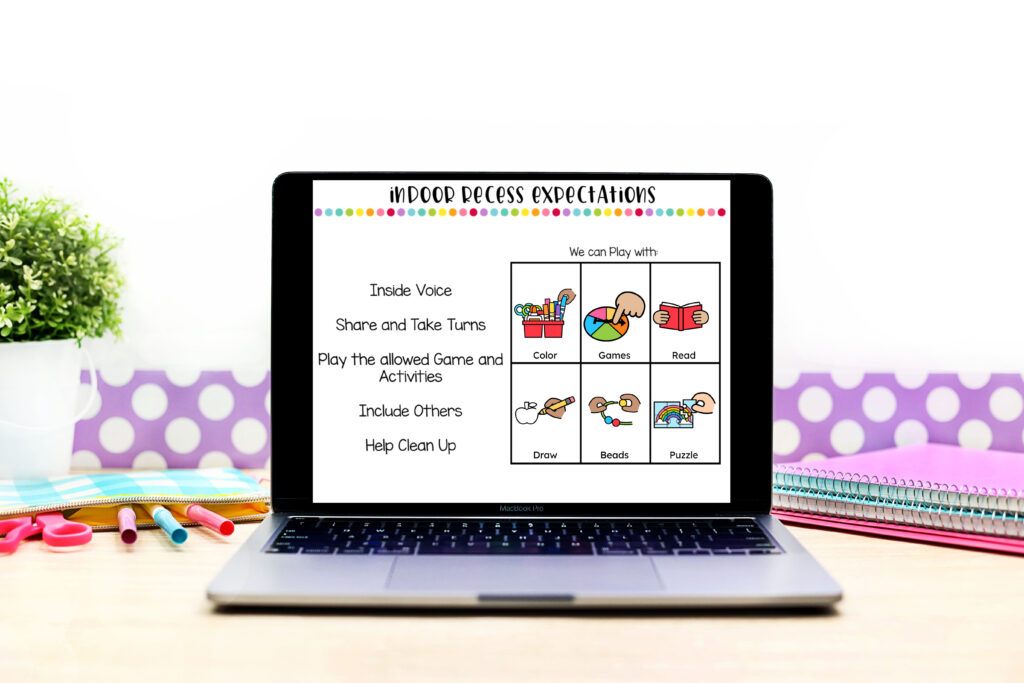
You can also use winter as an opportunity to revisit kindness, cooperation, and classroom community. This is particularly helpful after the excitement of the holidays and the transition back to a regular school schedule.
The resource mentioned above includes January slides specifically focused on reviewing expectations after winter break, along with monthly Strong vs. Weak Choices activities. It also includes February materials focused on expectations and kindness.
Winter Procedure Checklist
- Review all major procedures after winter break
- Morning arrival routine
- Transition expectations
- Independent work routines
- Partner/group work
- Classroom voice levels
- Asking for help
- Classroom materials
- Cleanup procedures
- Hallway expectations
- Bathroom procedures
- Technology expectations
- Kindness and respectful behavior
- Conflict-resolution routines
- Strong vs. weak choices
- Procedures for Valentine’s Day or other classroom celebrations
- Review expectations after any additional school break
Spring: Keep the Momentum Going
Spring can be a tricky time for classroom management. The weather gets warmer, students are thinking about summer, testing may be approaching, and there are often more school events on the calendar.
In other words, routines can start to unravel.
Spring is not the time to abandon your procedures because the school year is winding down. In fact, it’s a great time to become even more intentional about reviewing them.
Take a look at the routines that were working well earlier in the year. Are students still transitioning quickly? Are they cleaning up without reminders? Are they following directions the first time? Are they using classroom materials appropriately?
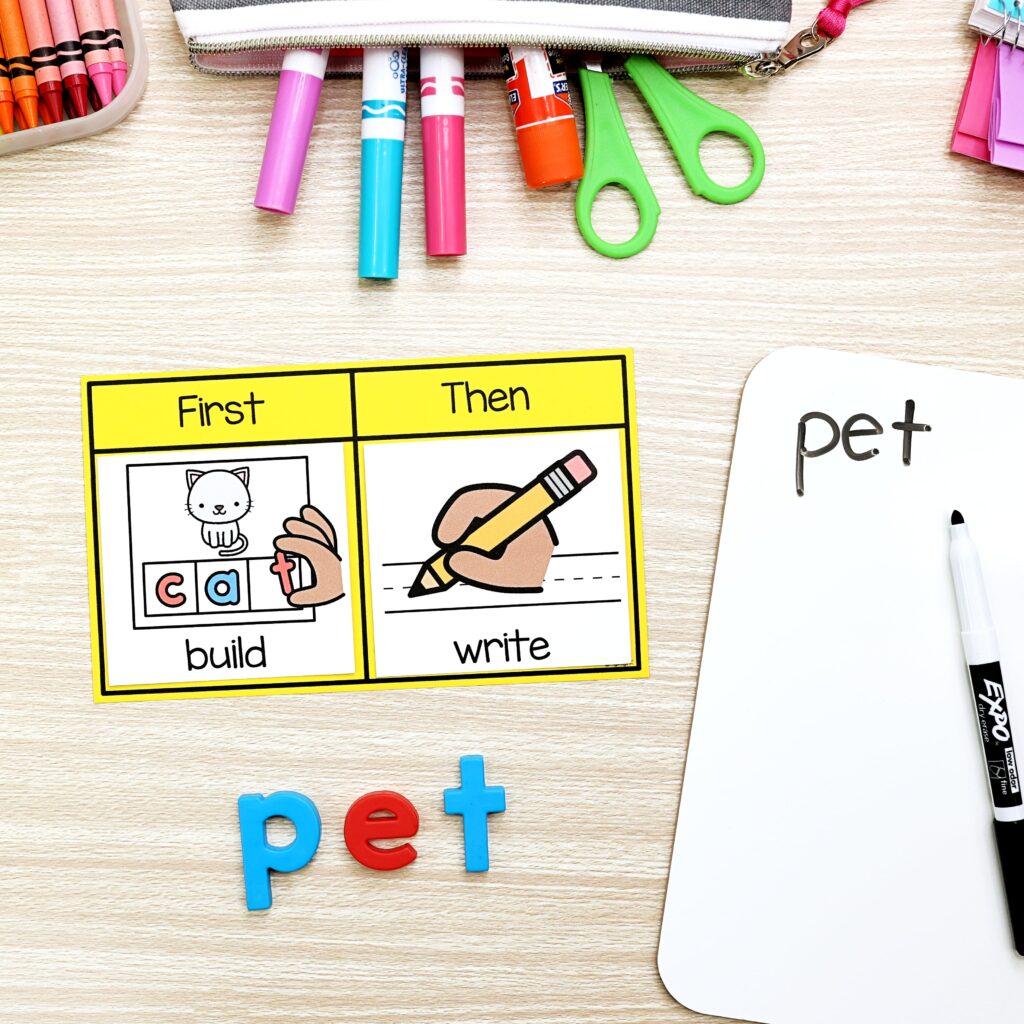
If the answer is “not quite,” it’s time for a refresher.
You can make these reviews quick and engaging. Model a routine incorrectly and have students identify what went wrong. Give students a classroom scenario and ask them whether it represents a strong or weak choice. Practice a transition and see if the class can improve their time.
The goal is to keep students actively involved rather than simply lecturing them about what they should be doing.
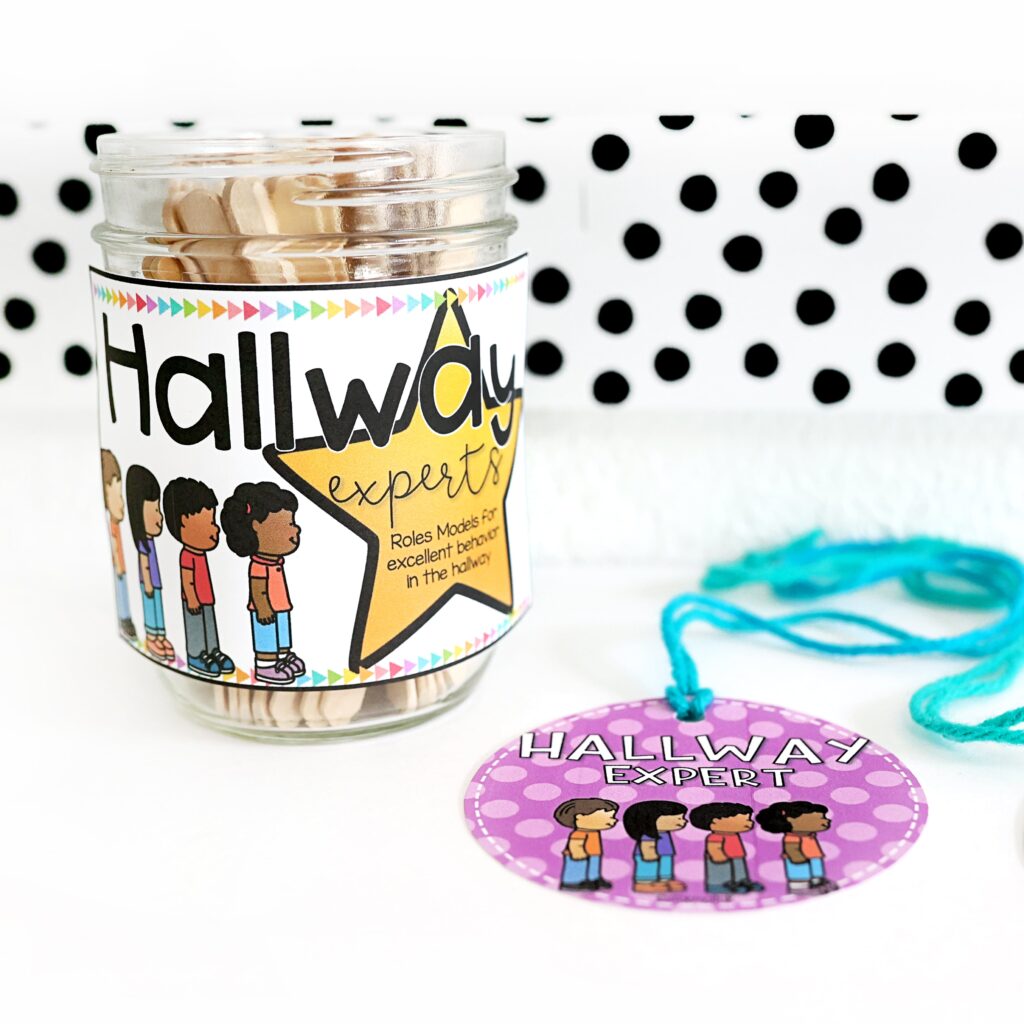
Check out my visuals HERE
The year-long resource includes spring materials for March, April, and May, along with additional Strong vs. Weak Choices activities and an end-of-year expectations review.
Spring Procedure Checklist
- Morning routine refresher
- Transition routines
- Independent work expectations
- Small-group procedures
- Classroom cleanup
- Materials management
- Hallway expectations
- Recess procedures
- Technology routines
- Behavior during special events
- Following directions
- Staying focused during longer activities
- Strong vs. weak choices
- Field trip or field day expectations
- Testing or assessment procedures
- End-of-year classroom expectations
- Preparing students for changes in routine
Don’t Forget the Procedures That Change
One reason routines need to be reviewed throughout the year is that your classroom isn’t exactly the same in May as it was in September.
Your students have changed. Your schedule may have changed. You may have introduced new technology, new centers, new classroom jobs, or new expectations.
There are also plenty of days when your normal routine simply doesn’t apply.
Field trips, assemblies, parties, substitute teachers, fire drills, special visitors, testing days, and field day can all require students to follow slightly different procedures.
These are opportunities to briefly review expectations before the event rather than hoping students remember what to do.
A quick five-minute conversation before a special event can prevent a whole lot of problems later.
Use Strong vs. Weak Choices to Make Reviews More Interactive
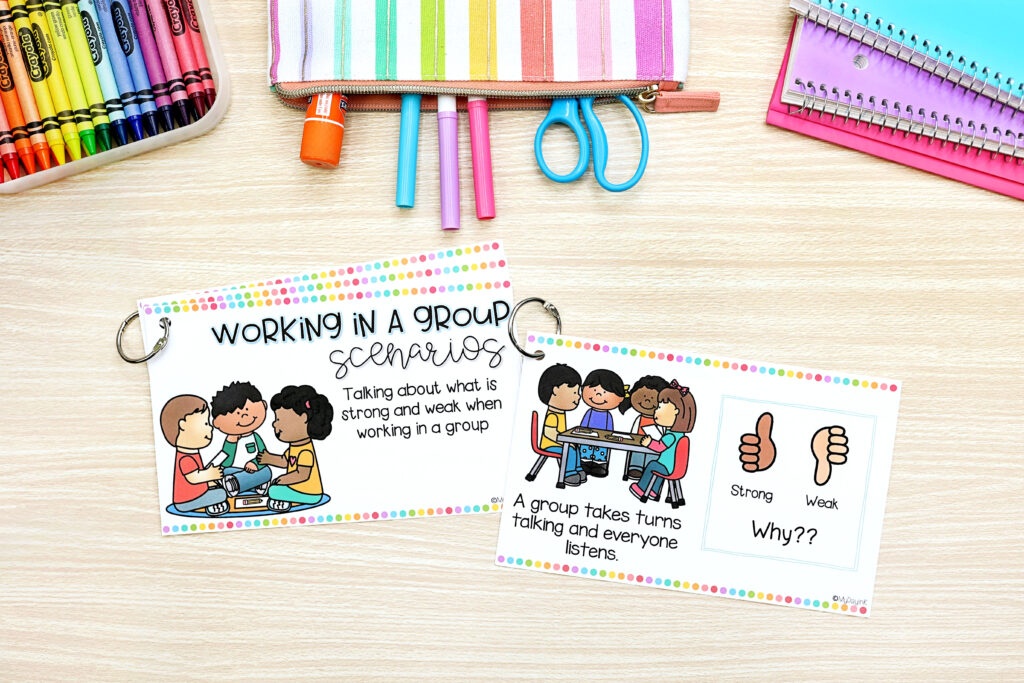
One simple way to keep procedure reviews from feeling repetitive is to give students scenarios and ask them to identify whether the behavior represents a strong or weak choice.
For example:
“You finish your work, so you quietly choose a book to read.”
Strong choice or weak choice?
“The teacher gives directions, but you continue talking to your friend.”
Strong choice or weak choice?
“Your classmate drops all of their crayons, so you help pick them up.”
Strong choice or weak choice?
This approach gets students talking about behavior instead of simply listening to another reminder from the teacher.
The Strong vs. Weak Choices portion of the year-long resource includes monthly scenarios from September through April, plus additional activities such as a Strong vs. Weak Choices Treasure Hunt and June activities.
Make Procedure Review Part of Your Routine
The easiest way to make full year procedures and routines in the classroom manageable is to stop thinking of procedure review as another big lesson you have to plan.
Instead, build small reviews into things you’re already doing.
Use five minutes during morning meeting.
Review a transition right before students move to their next activity.
Practice a routine after lunch.
Talk about strong and weak choices during a class meeting.
Spend a few minutes reviewing expectations before a holiday party or special event.
That small amount of consistent practice can make a big difference.
A Simple Full-Year Procedure Plan
If you’re looking for an easy way to keep track of everything, use the seasonal checklist above as your starting point. At the beginning of each season, identify the procedures that need the most attention.
Then ask yourself three questions:
What is working?
Keep it going and give students positive feedback.
What is starting to slip?
Schedule a quick refresher before it becomes a bigger problem.
What has changed?
Teach or review any new procedures students need to know.
You don’t need to wait for a classroom management crisis before reviewing expectations.
The best classroom routines are reinforced consistently, revisited when needed, and practiced until students can manage them independently. When you approach procedures as something you’ll reinforce all year instead of something you’ll teach once in September, you’re much more likely to create a classroom where students know what to do—and can actually do it.
And that is the real goal of full year procedures and routines in the classroom: not perfection, but consistency, independence, and a classroom that keeps running smoothly from the first day to the last.