5 Simple Ways to Build a Kind and Caring Kindergarten Classroom Community This November
Discover five simple ways to build a stronger kindergarten classroom community this November through kindness, gratitude, friendship, and positive classroom choices.
By November, your kindergarten classroom community is starting to feel like its own little world. Students have settled into routines, friendships are beginning to form, and everyone is becoming more comfortable with how the school day works. But as the excitement of the new school year settles, you may also notice a few new challenges.
Maybe students are having trouble sharing, disagreements are becoming more common during playtime, or you’re finding yourself reminding children to use kind words and include their classmates. You might even notice that some students need extra encouragement to work together, show gratitude, or make thoughtful choices.
Sound familiar? You’re not alone!
November is the perfect time to bring kindness, gratitude, and positive classroom relationships back into focus. Instead of adding another big lesson to your schedule, look for small opportunities throughout the day to help students practice the skills that make your classroom a welcoming place to learn.
The best part? You don’t need to start from scratch. With intentional conversations, simple activities, and consistent reminders, you can help students strengthen friendships and take greater responsibility for the classroom community you’re building together.
Here are five simple ways to encourage a kind and caring kindergarten classroom community this November.
Why November Is the Perfect Time to Focus on Classroom Community
The first few months of school are often spent establishing routines, teaching expectations, and helping students learn how to be part of a classroom. By November, you’ve had plenty of opportunities to introduce these skills and give students time to practice.
But building a strong kindergarten classroom community is an ongoing process. As students become more comfortable with one another, they also need opportunities to strengthen friendships, work through disagreements, and understand how their choices affect others.
November provides a natural opportunity to revisit these important skills while incorporating kindness activities for kindergarten and simple gratitude activities into your daily routine.
Start by thinking about the areas where your classroom could use a little extra encouragement. Ask yourself:
- Are students including one another during play and group activities?
- Do students understand what kind words and actions look like?
- Are children taking responsibility for their choices?
- How often are students recognizing and celebrating one another?
- Do classroom expectations need a little refresher?
You don’t need to address everything at once. Choose a few simple strategies to incorporate throughout the month and give students plenty of opportunities to practice.
5 Simple Ways to Build a Kind and Caring Kindergarten Classroom Community
Building a positive kindergarten classroom community doesn’t happen through one lesson or activity. It’s the little reminders, conversations, and experiences that help students learn how to treat one another.
Here are five ways to make kindness and gratitude a more intentional part of your classroom this November.
1. Model What Kindness Looks and Sounds Like
Sometimes we assume students understand what it means to be kind, but young children are still learning how to put those ideas into practice. Telling students to be nice to their friends is a good starting point, but they also need concrete examples of what kindness looks and sounds like. Start by making kindness visible in your classroom. Create an anchor chart that shows students specific ways they can use kind words and actions throughout the day.
For example, you might include:
Kindness Looks Like:
- Sharing classroom materials with a friend.
- Helping someone clean up.
- Inviting a classmate to join a game.
- Taking turns during centers.
- Helping someone who is having a hard time.
- Listening when someone else is speaking.
Kindness Sounds Like:
- “Would you like to play with me?”
- “I can help you!”
- “You can have a turn next.”
- “Are you okay?”
- “Thank you for sharing.”
- “I’m sorry. Are you okay?”
Once you’ve created your chart, spend a few minutes discussing each example. Have students act out different situations and practice using kind words with their classmates. You can also choose one kindness goal to focus on each day. For example, Monday might focus on including others, while Tuesday focuses on using encouraging words.
The goal is to help students understand that kindness isn’t just something we talk about. It’s something we practice in our everyday interactions.
Make It a Daily Reminder: Keep your kindness visuals somewhere students can easily see them. When a problem comes up, refer back to the chart and help students identify a kind way to respond. This gives them a visual reminder and a starting point for making better choices.
2. Practice Friendship and Teamwork Through Real-Life Scenarios
Learning how to be a good friend takes practice! Kindergarten students are still figuring out how to share, take turns, communicate their feelings, and work through disagreements. Rather than waiting for these situations to happen during recess or center time, build opportunities to practice friendship skills into your classroom routine.
One easy way to do this is through real-life scenarios. Present students with a situation and ask them to think about how they could respond.
Here are a few examples to get started:
- Including Others: A classmate is sitting alone during playtime. What could you do to help them feel included?
- Sharing: Two friends want to play with the same toy. How could they work together to solve the problem?
- Helping Others: You notice a friend is having trouble cleaning up. What could you do?
- Solving Problems: Someone accidentally knocks over your block tower. What could you say or do?
- Working Together: Your group is having trouble agreeing on an activity. How can everyone share their ideas?
Give students time to talk with a partner, share their ideas, or act out different responses.
You can also use your Strong vs. Weak Choices activities to help students recognize the difference between choices that strengthen friendships and choices that can hurt others. As students look at different situations, encourage them to explain why a choice is strong or weak and how it might make someone else feel.
Help Students Think It Through: Ask questions such as:
- How would you feel if this happened to you?
- What could you say to your friend?
- Is there another way to handle this situation?
- How can we solve this problem together?
These conversations help students build empathy while learning that they have the power to make positive choices.
Remember, the goal isn’t to expect students to handle every situation perfectly. It’s to give them the tools and practice they need to navigate friendships and become more confident problem-solvers.
3. Incorporate Daily Gratitude Into Morning Meetings
November is a wonderful time to bring gratitude into your classroom. While students may be familiar with talking about what they’re thankful for around Thanksgiving, you can help them understand that gratitude is something we can practice all year long.
Morning meetings are a great place to start!
A quick gratitude question gives students an opportunity to reflect, share something positive, and connect with their classmates. It also helps create a welcoming start to the day.
Try incorporating questions like these into your morning meeting routine:
- What is one thing that made you smile today?
- Who is someone you are thankful for?
- What is something you love about our classroom?
- What is one kind thing a friend has done for you?
- What is something you are grateful to learn?
- What is one way you can make someone feel special today?
Keep the questions simple and age-appropriate. Some students may need a little help thinking of an answer, so provide sentence starters or picture prompts to get the conversation going.
You can also create a classroom gratitude wall where students contribute drawings or short messages about things they appreciate.
Make Gratitude Part of Your Morning Routine: Use your morning meeting slides to introduce daily questions, encourage classroom conversations, and give students consistent opportunities to connect with one another.
Your November Morning Meeting Slides make it easier to build these moments into your day without spending extra time creating discussion prompts.
The important thing is to keep gratitude simple and consistent. A few minutes of meaningful conversation can help students recognize the positive things happening around them and develop a greater appreciation for their classroom community.
4. Recognize and Celebrate Strong Choices
Classroom management isn’t just about correcting behaviors that aren’t working. It’s also about noticing when students are making positive choices and helping them understand why those choices matter.
By November, students have had plenty of opportunities to practice classroom expectations. Now is a great time to be intentional about recognizing the progress they’re making.
Instead of simply saying, “Good job!” try giving specific feedback that connects a student’s actions to the behavior you want to encourage.
For example:
- “I noticed you invited someone to play with you. That was a kind choice!”
- “You waited patiently for your turn. Thank you for being respectful.”
- “You noticed your friend needed help and stepped in. That’s teamwork!”
- “You used your words to solve a problem. I’m proud of that choice!”
- “You cleaned up your materials without being reminded. That helps our whole classroom!”
These little moments of recognition help students understand what positive behavior looks like and encourage them to continue making thoughtful choices.
Celebrate Positive Choices Beyond the Classroom
One of the easiest ways to reinforce positive behavior is to share it with families!
Positive notes home give you an opportunity to recognize students for showing kindness, helping others, following expectations, or making progress with an important skill. You don’t have to wait for a major accomplishment. A student who invited a classmate to play, helped clean up, or remembered to use kind words deserves recognition, too.
Your November Positive Notes make it easy to celebrate these moments and share a little good news with families.
Keep a few notes nearby so you can recognize students throughout the month. These small gestures help children feel proud of their choices and remind families that positive growth is happening every day.
5. Review Classroom Expectations to Keep Your Community Strong
Even the strongest classroom communities need reminders!
By November, students have spent several weeks practicing classroom routines and learning what is expected of them. But as the school year continues, some behaviors may need a little extra attention.
Maybe students are becoming less patient during transitions, talking while others are speaking, or needing more reminders to take care of classroom materials. These moments are a good opportunity to revisit expectations and help students get back on track.
Rather than simply repeating the rules, take a few minutes to review what positive choices look like in different classroom situations.
You might revisit expectations such as:
- Listening when someone else is talking.
- Following directions the first time.
- Taking care of classroom materials.
- Walking safely in the classroom and hallway.
- Working cooperatively with classmates.
- Keeping hands and feet to yourself.
- Cleaning up and transitioning when asked.
Give students an opportunity to demonstrate each expectation. Model what it looks like, let students practice, and offer feedback along the way.
Use Your November Management Resources
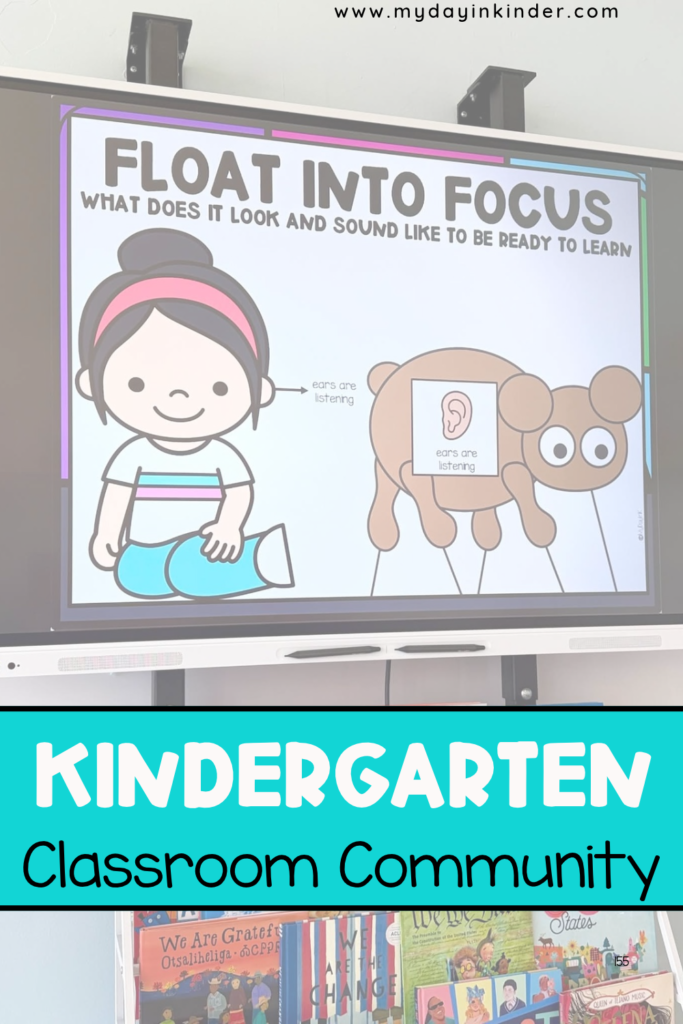
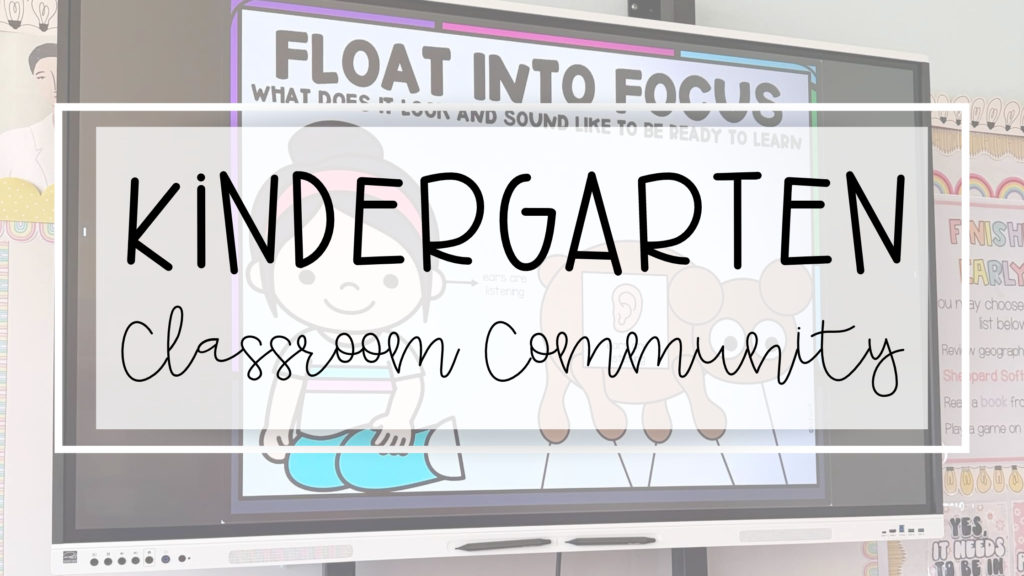
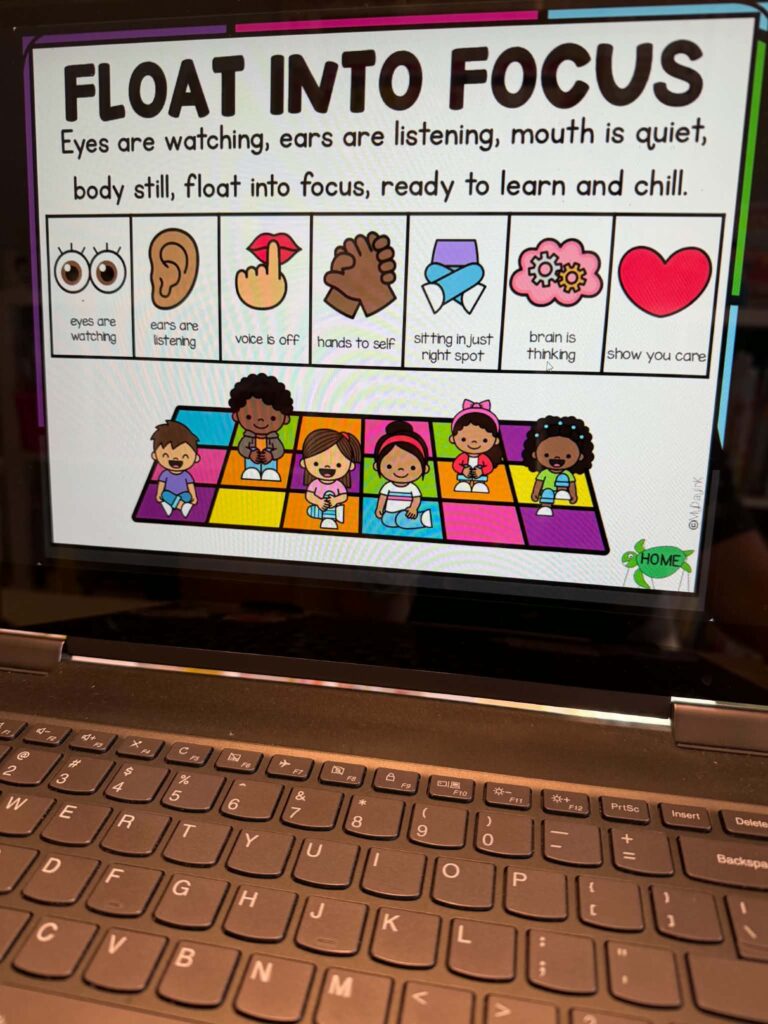
This is a great time to bring your November Float into Focus slides into your classroom routine.
Use the slides to revisit key classroom management concepts, encourage discussion, and give students opportunities to reflect on the choices they make throughout the day.
You can also incorporate your Management Parade extension to make reviewing and practicing expectations more interactive.
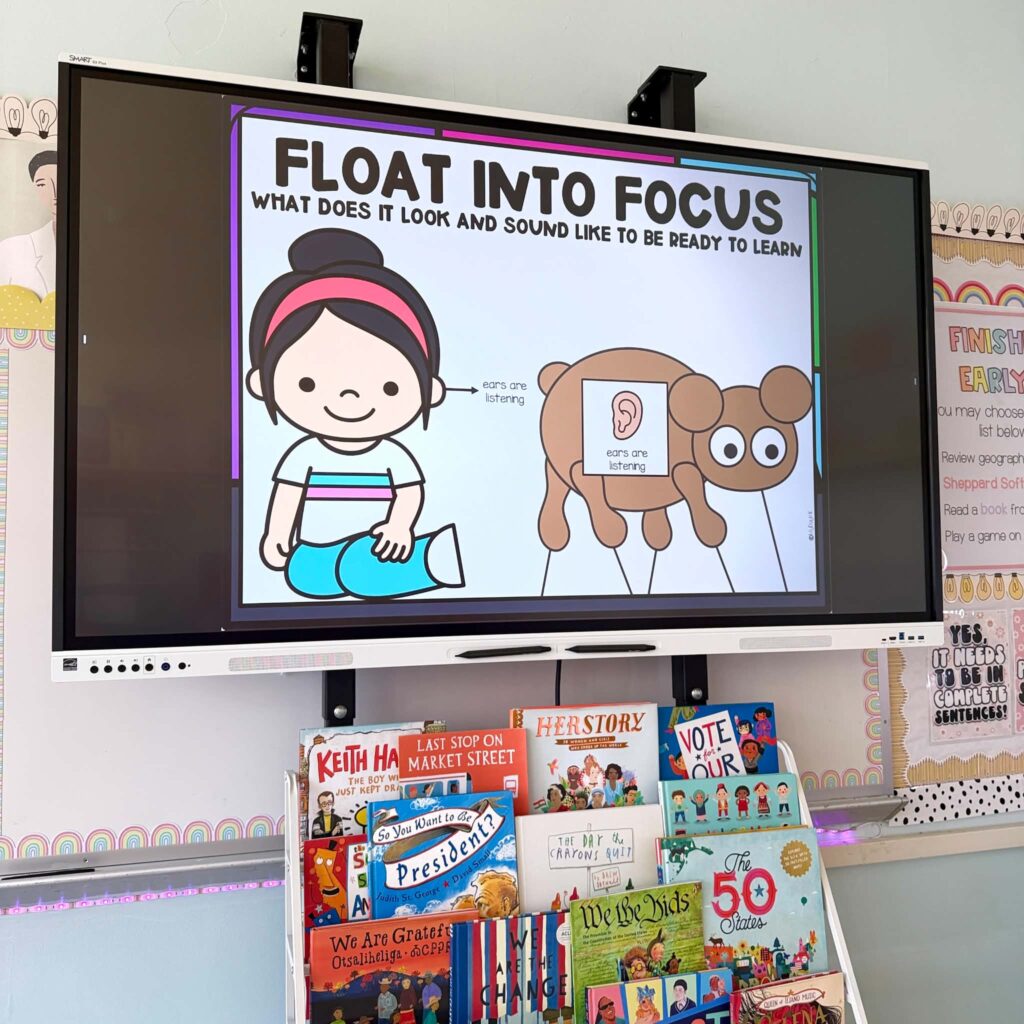
The goal is to help students understand that classroom expectations aren’t just a list of rules. They’re the habits and choices that help everyone feel safe, respected, and ready to learn.
Keep Reviews Short and Consistent: You don’t need to spend an entire lesson reviewing classroom expectations. A few minutes during morning meeting, before a transition, or after a long weekend can be enough to remind students what success looks like.
When students have opportunities to review, practice, and receive positive feedback, they’re more likely to carry those habits into their everyday routines.
Put Your November Classroom Community Strategies Into Action
Knowing you want to focus on kindness, gratitude, and positive choices is one thing. Finding the time to plan activities and create materials to support those goals is another!
The key is to make these strategies part of routines you already have. You don’t need a separate lesson for every social skill or a complicated activity for every day of the month.
Here are a few simple ways to incorporate these ideas into your November schedule:
- During Morning Meeting: Introduce a gratitude question, discuss a friendship scenario, or choose a kindness goal for the day.
- During Transitions: Review one classroom expectation and give students an opportunity to practice.
- During Center Time: Encourage students to work together, share materials, and include their classmates.
- Throughout the Day: Look for opportunities to recognize strong choices and reinforce positive behaviors.
- At the End of the Day: Give students a few minutes to reflect on a kind action they noticed or something they’re grateful for.
You can also use the following weekly focus to help guide your classroom conversations:
| Week | Focus | Classroom Activity |
|---|---|---|
| Week 1 | Kindness | Create a kindness looks like/sounds like anchor chart. |
| Week 2 | Friendship | Practice real-life friendship scenarios. |
| Week 3 | Gratitude | Introduce daily gratitude questions during morning meeting. |
| Week 4 | Strong Choices | Recognize positive behaviors and review classroom expectations. |
Adjust the schedule to fit your classroom and students’ needs. Some skills may need more attention than others, and that’s okay!
The goal is to create consistent opportunities for students to practice the habits that make your classroom community stronger.
Make November a Month of Kindness and Connection!
Building a kind and caring kindergarten classroom community takes time, consistency, and plenty of practice. But you don’t have to make it complicated. By modeling kindness, encouraging teamwork, incorporating gratitude into morning meetings, recognizing strong choices, and revisiting classroom expectations, you can help students develop the skills they need to build positive relationships.
November is a great reminder to slow down, notice the good things happening in your classroom, and give students opportunities to show kindness in their own little ways.
And remember, you don’t have to get everything right every day. Small reminders, meaningful conversations, and consistent encouragement all help create a classroom where students feel valued, supported, and ready to learn.
With a little intention and the right resources, you can make November a wonderful month for building kindergarten classroom community!
November Classroom Community Resources
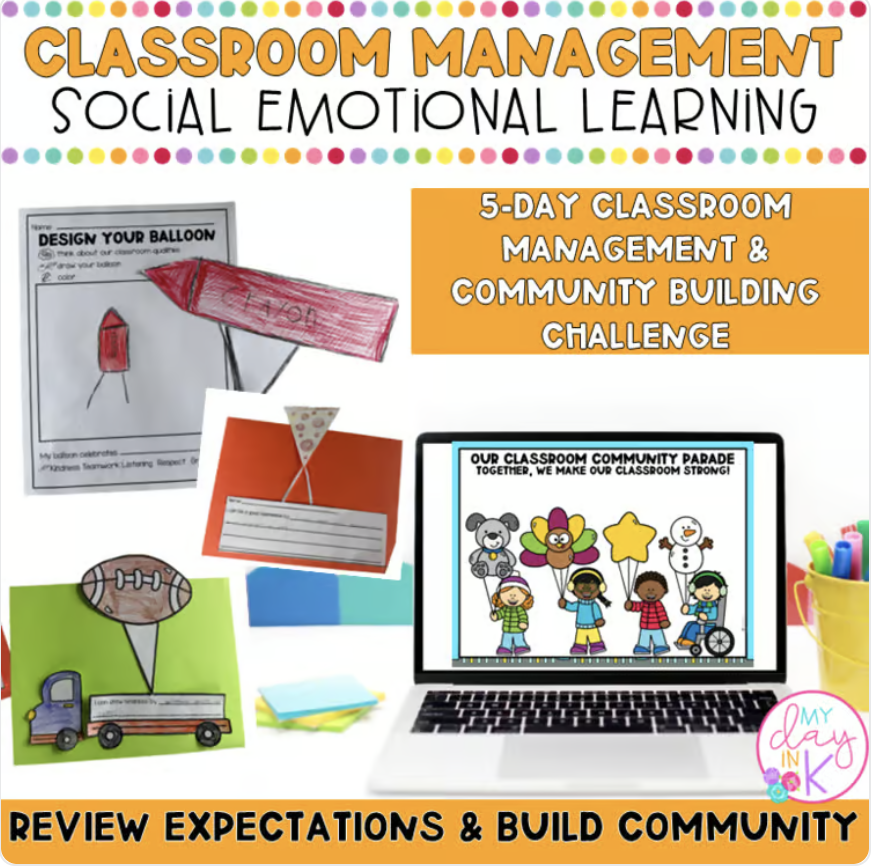
Bring your classroom community together this November with the November Classroom Community SEL Activities! This engaging resource includes a five-day challenge focused on kindness, teamwork, listening, respect, and gratitude, along with writing activities and an adorable parade balloon craft. It’s an easy, meaningful way to reinforce important social-emotional skills, celebrate positive choices, and help students recognize what makes their classroom community special.
Pin for LATER!