Surviving May: Simple Kindergarten Classroom Management Strategies That Actually Work
If you teach Kindergarten, you already know May is not for the weak. Kindergarten classroom management in May takes a whole new level of patience, flexibility, and intentional routines as students become more energetic, emotional, and easily distracted during the final stretch of the school year.
The weather gets warmer, field trips start popping up every other day, testing interrupts routines, and suddenly, your students have the energy level of tiny caffeinated squirrels. Add in assemblies, holidays, more outdoor time, and constant countdowns to summer break, and even the calmest classroom can start feeling chaotic fast.
That’s why Kindergarten classroom management in May requires way more intentionality than people realize. The routines and systems that worked beautifully in February may suddenly stop working when students are distracted by sunshine and dreaming about popsicles.
The good news? You do not need an entirely new behavior system to survive the end of the year. Most teachers simply need a reset on routines, transitions, and expectations in a way that feels engaging and manageable for young learners.
With a few simple adjustments, clear visual supports, and positive behavior strategies, you can create a calmer classroom environment while still making the final weeks of school fun and memorable.
Why May Requires Intentional Classroom Management
There’s something about May that completely changes the classroom dynamic. Students who could walk quietly in line all winter suddenly forget how hallways work. Transitions take twice as long. Somebody cries because their marker cap rolled under a table. Another student somehow loses a shoe during circle time.
May’s behavior is often less about students “misbehaving” and more about overstimulation and disrupted routines. That’s why Kindergarten classroom management in May is, well, sometimes very miserable.
This time of year brings:
- More schedule changes
- Exciting end-of-year events
- Increased outdoor time
- Less structure
- Emotional reactions about school ending
- More sensory input and distractions
That’s why spring behavior management needs to focus heavily on predictability and consistency. Students thrive when they know exactly what to expect, especially during a season that feels exciting but chaotic.
The goal is not perfection. The goal is helping students stay regulated enough to learn, participate, and enjoy the final weeks of school.
If your classroom has started feeling a little louder, busier, and more emotional lately… welcome to May in Kindergarten.
10 Practical Routines That Stabilize Daily Flow
Strong end-of-year kindergarten routines help reduce behaviors before they even start. When students know what comes next, transitions become smoother, expectations feel clearer, and teachers spend less time redirecting. This may be the Kindergarten classroom management in May secret recipe.
The best part? Most of these routines take only a few minutes to implement.
1. Reset the Morning Routine
By May, even strong morning routines can slowly start falling apart. Students often come into the classroom distracted, extra talkative, or completely focused on recess before the school day even starts. Taking time to intentionally reset expectations can completely change the tone of your mornings. May is also filled with interruptions, special events, and schedule changes, so predictable routines help students feel calmer and more prepared to learn.
Practice:
- unpacking backpacks
- turning in folders
- choosing lunch
- starting morning work
- entering quietly
Even a quick five-minute refresher can dramatically improve the tone of the day.
2. Shorten Circle Time
Circle time or morning meetings in May can start feeling extra challenging because students simply have less stamina for sitting still. Even students who could focus beautifully earlier in the year may suddenly become wiggly, distracted, or emotional during longer lessons. Instead of fighting against their energy levels, adjusting your expectations can help lessons feel more successful and less stressful for everyone involved.
Try:
- movement breaks
- songs
- partner talk
- interactive visuals
- shorter mini lessons
Keeping lessons active helps students stay engaged while reducing off-task behaviors.
3. Add Visual Transition Cues
Transitions kindergarten students struggle with the most in May are usually the ones with unclear expectations. When students are overstimulated or excited, verbal directions alone often are not enough to keep things running smoothly. Visual reminders help students process directions more independently while reducing the amount of repeating teachers need to do throughout the day.
Use:
- timers
- countdown cards
- songs
- lights off/on signals
- visual schedule reminders
Visual supports reduce confusion and help students shift activities more calmly.
4. Practice Cleanup Like It’s Day One
Cleanup routines tend to disappear completely by spring. Materials end up everywhere, students suddenly forget where supplies belong, and transitions take much longer than they should. The important thing to remember is that students are not necessarily trying to be difficult. Many Kindergarten students simply need routines retaught regularly, especially during exciting times of the year.
Instead of getting frustrated, model expectations again:
- where materials go
- how voices should sound
- what “finished cleaning” looks like
Treating cleanup like a teachable routine instead of an assumption makes a huge difference.

5. Keep Centers Predictable
Centers can become overwhelming quickly in May if there are too many changes happening at once. While seasonal activities are fun, constantly introducing new materials or expectations can increase noise levels, conflicts, and off-task behaviors. Keeping some classroom routines familiar helps students feel successful and secure during a season filled with excitement and unpredictability.
Try keeping:
- familiar bins
- familiar expectations
- clear rotation systems
Predictability helps maintain calmer behavior during independent work time.
6. Use Consistent Attention Signals
One of the biggest classroom management struggles in May is simply getting students’ attention quickly. Between increased energy levels and end-of-year excitement, directions often need to compete with a room full of chatter and movement. Consistent attention signals help students know exactly when to stop, listen, and refocus without teachers needing to raise their voices constantly.
Examples:
- call-and-response chants
- clapping patterns
- chimes
- hand signals
Consistency matters more than complexity.
7. Build In More Movement
By spring, many Kindergarten students are physically craving more movement throughout the day. Warmer weather and increased outdoor excitement make sitting still for long periods feel even harder than usual. Instead of viewing movement as a distraction, it helps to see it as a tool for regulation and focus. Short movement opportunities often prevent larger behavior problems later.
Add:
- brain breaks
- hallway walks
- movement songs
- standing activities
- outdoor learning opportunities
Movement often prevents behavior struggles before they begin.
8. Review Hallway Expectations Daily
Hallway behavior tends to unravel quickly in May because students are constantly transitioning to different activities, events, and outdoor spaces. Even students who normally walk beautifully in line may suddenly become extra social and distracted. Quick reminders before leaving the classroom help students mentally prepare for expectations before problems start happening.
Quickly review:
- walking feet
- voice levels
- line order
- personal space
- stopping points
A two-minute reminder before transitions can save teachers a massive headache later.
9. Use Visual Schedules All Day
End-of-year schedules often feel unpredictable for young learners. Assemblies, special events, field trips, and testing can create anxiety when students are unsure what is happening next. Visual schedules kindergarten teachers use consistently provide reassurance and structure during busy spring days. They also reduce the number of repeated student questions throughout the day.
Students feel calmer when they can see:
- what is happening now
- what comes next
- when breaks happen
- when special activities are scheduled
This becomes especially important during unpredictable end-of-year schedules.
10. End the Day with Reflection
The final moments of the school day can either feel calm and connected or completely chaotic. Ending with a simple reflection routine helps students transition home more peacefully while also strengthening emotional awareness. Reflection activities also give teachers a chance to reinforce positive choices and celebrate classroom successes before dismissal.
Simple reflection prompts:
- What went well today?
- What was challenging?
- What made you proud?
- How were you a good friend?
These routines support emotional regulation while strengthening classroom community.
Visual Supports and Calm-Down Corners That Still Work in May
By May, many teachers notice students becoming emotionally reactive much faster than usual. Small frustrations suddenly feel enormous. That’s why visual supports and calming spaces remain incredibly important, even late in the school year.
In fact, this is often when students need them the most.
Helpful visual supports include:
- first/then boards
- picture schedules
- transition cards
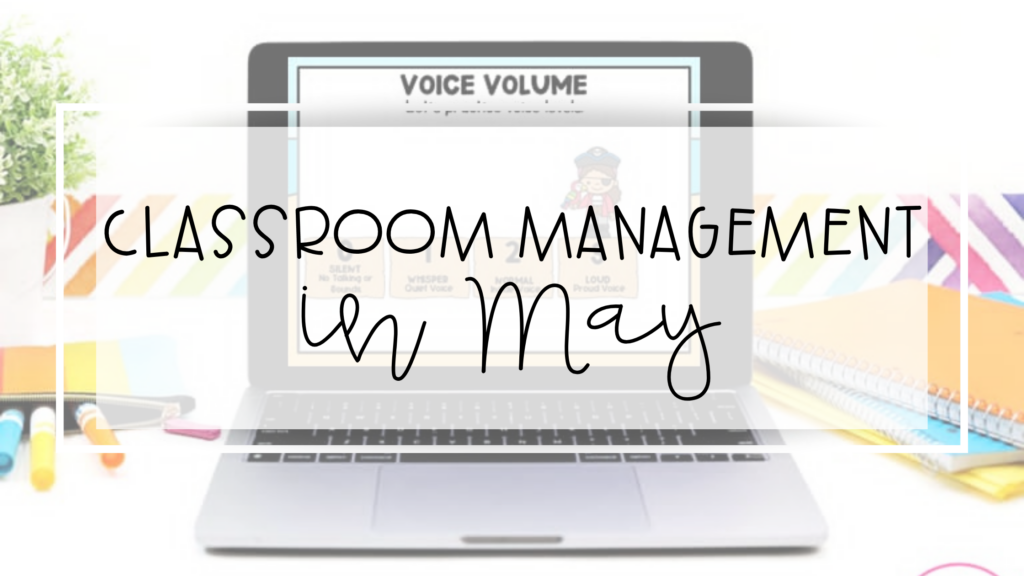
- voice-level charts
- expectation posters
- emotion check-ins
These tools reduce the need for constant verbal reminders, which honestly saves teacher sanity, too.
Calm-Down Corner Ideas
A calm-down space does not need to be fancy or Pinterest-perfect to be effective.
Simple calm-down corner ideas include:
- breathing cards
- stuffed animals
- sensory bottles
- feelings charts
- headphones
- soft seating
- fidget tools
- calm-down choice boards
The goal is to help students regulate, not create a reward space. Many teachers also find that reviewing how to use the calm-down corner again in May is incredibly helpful.
Positive Reinforcement and Simple Behavior Contracts for Spring
Positive behavior support in kindergarten classrooms is used successfully in May and is usually simple, clear, and consistent. This is not the time of year for complicated classroom economies with 47 moving pieces.
Instead, focus on:
- immediate praise
- visual rewards
- class compliments
- simple goals
- team challenges
Students respond well to quick positive feedback when energy levels are high.
Simple Spring Behavior Contracts
Some students benefit from extra support during the final months of school.
Keep behavior contracts:
- short
- visual
- specific
- positive
Examples:
- I will keep my hands to myself.
- I will use walking feet.
- I will follow directions the first time.
Pair goals with encouragement instead of punishment whenever possible.
End-of-Year Activities Aligned with Behavior Expectations
One mistake teachers often make in Kindergarten classroom management in May is removing all structure in favor of “fun activities.” Unfortunately, that usually leads to chaos by lunchtime. Instead, choose engaging end-of-year activities that still reinforce routines and expectations.
Examples:
- directed drawings
- partner games
- classroom jobs
- memory books
- scavenger hunts
- read aloud discussions
- cooperative STEM bins
Students can absolutely have fun while still practicing self-control, teamwork, and listening skills. Honestly, structured fun tends to go much smoother anyway.
Kindergarten classroom management in May does not have to feel impossible. With strong routines, clear visual supports, consistent expectations, and positive reinforcement, teachers can create a calmer classroom while still enjoying all the excitement that comes with the end of the school year.
The key is keeping things simple, predictable, and engaging for young learners.