Kindergarten Transitions May: Smooth Classroom Management That Actually Works
If you’ve made it to May in Kindergarten, you already know the energy level shifts overnight. Students who were once moving through routines smoothly suddenly seem to forget everything the moment sunshine hits the classroom windows. This is exactly why Kindergarten transitions May routines become the backbone of your classroom management this time of year. Transitions are where most disruptions happen, lining up, cleaning up, switching centers, and even just walking down the hallway can turn into chaos if expectations aren’t crystal clear.
The truth is, it’s not that students “forget” how to transition. It’s that end-of-year excitement, schedule changes, and rising energy levels make consistency even more important than it was earlier in the year. The good news? A few intentional systems can completely change how your classroom flows.
Visual Schedules and Posted Routines That Support Quick Shifts
One of the simplest ways to improve classroom management transitions in May is to make everything visible. When students can see what’s happening next, they spend less time asking questions and more time actually transitioning.
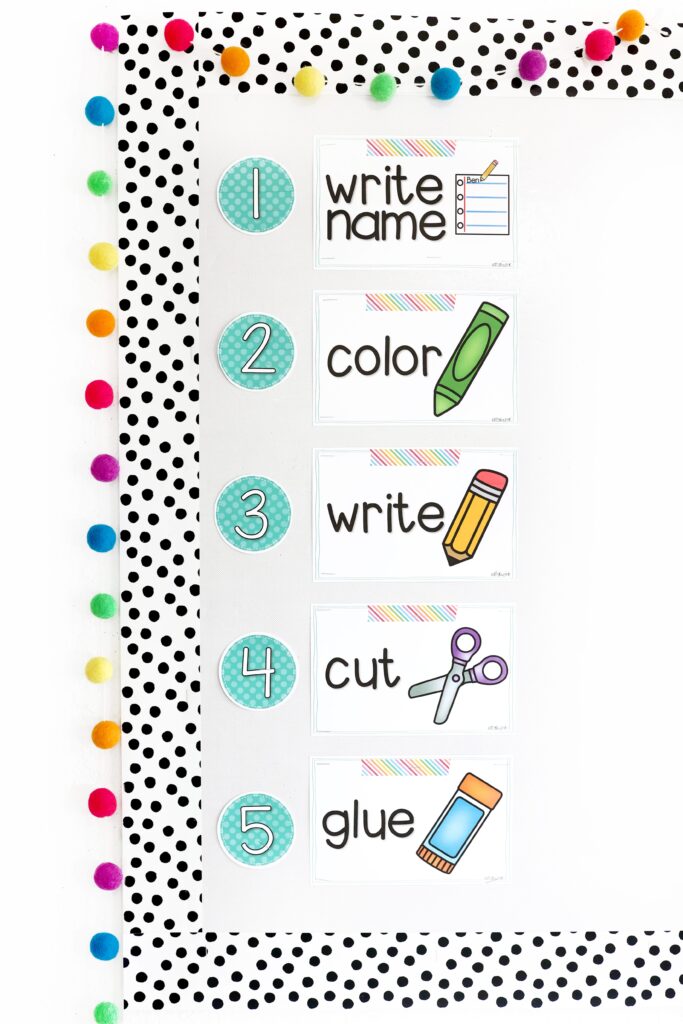
Visual schedules, which kindergarten classrooms rely on to help reduce anxiety and increase independence, are especially useful during busy spring days when routines change frequently.
Try:
- A full daily visual schedule at eye level
- “Now/Next” boards for younger learners
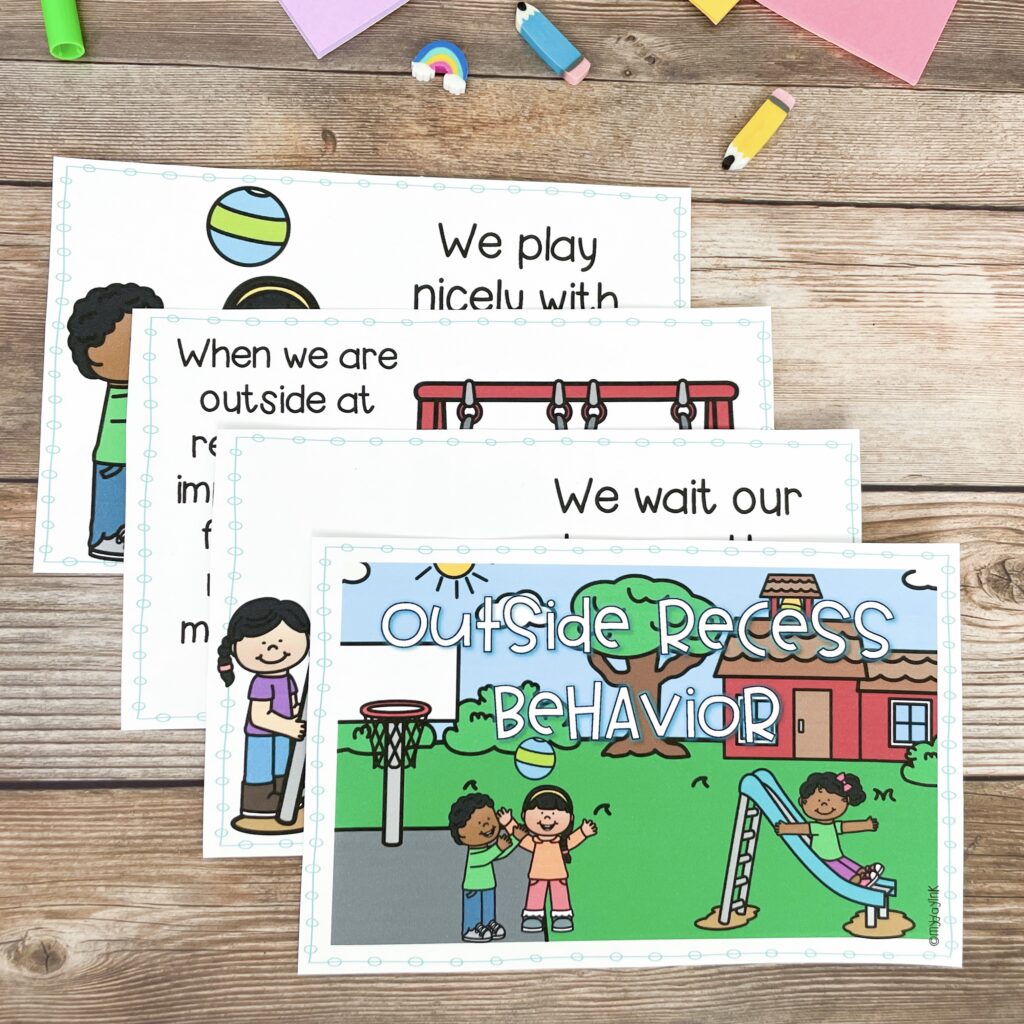
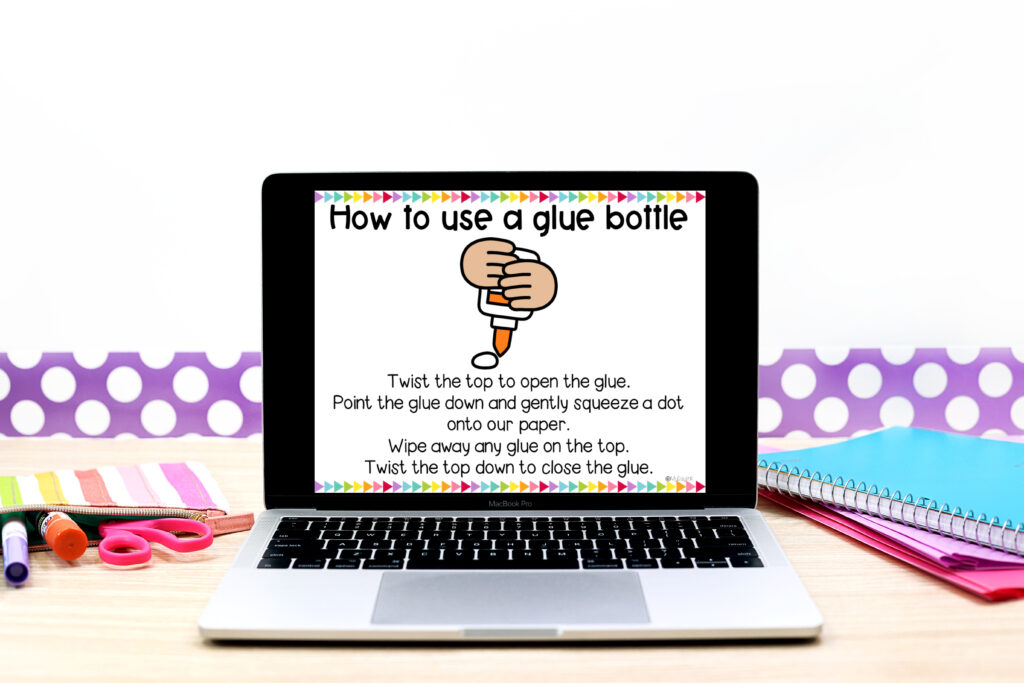
- Step-by-step visual directions for common transitions
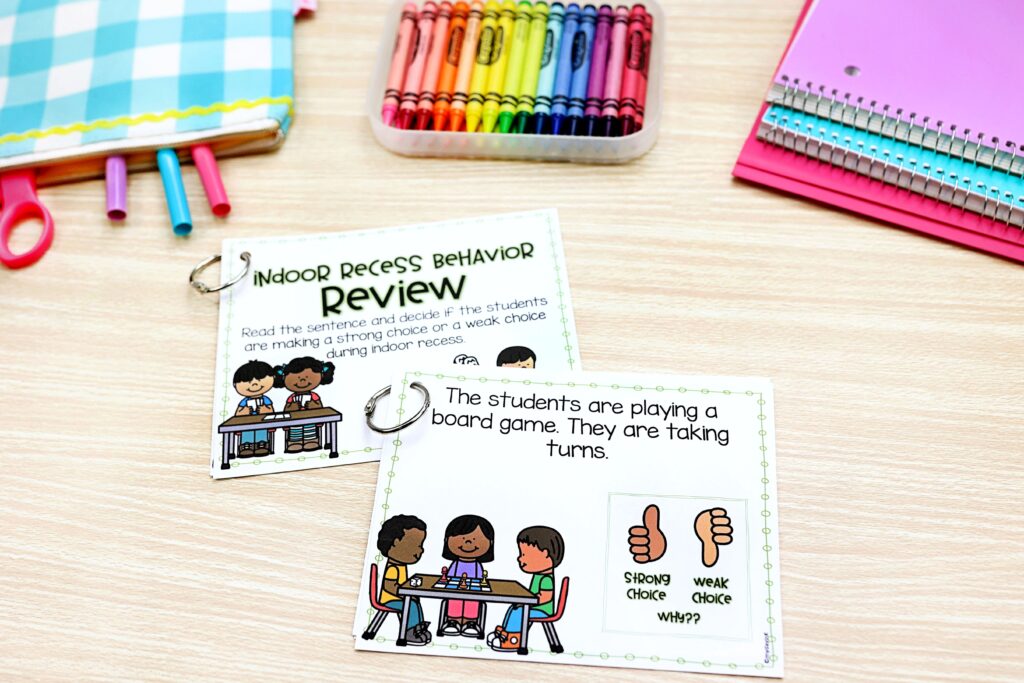
- Picture cues for cleanup, lining up, and center rotations
In May routines, kindergarten students work best when they are predictable, posted, and consistently reviewed. Even a quick daily reference can dramatically reduce confusion and off-task behavior.
Timers, Countdowns, and Predictable Cues for Each Transition
If there’s one tool that saves teachers in May, it’s timers. Seriously.
Timers in the classroom help students understand how much time they have left instead of relying on repeated verbal reminders. This reduces power struggles and helps transitions feel more structured.
Helpful tools include:
- Visual countdown timers
- Sand timers for small groups
- Music timers (“clean up songs”)
- Verbal countdowns (5–4–3–2–1)
- Chime or bell signals
Predictable cues build independence. When students know that a song means clean up or a countdown means line up, you spend less time repeating directions and more time actually teaching.
Specific Transition Routines That Keep the Day Moving
The most effective behavior management May strategies come down to tightening a few key routines. You don’t need to overhaul your entire day, just strengthen the transitions that tend to break down.
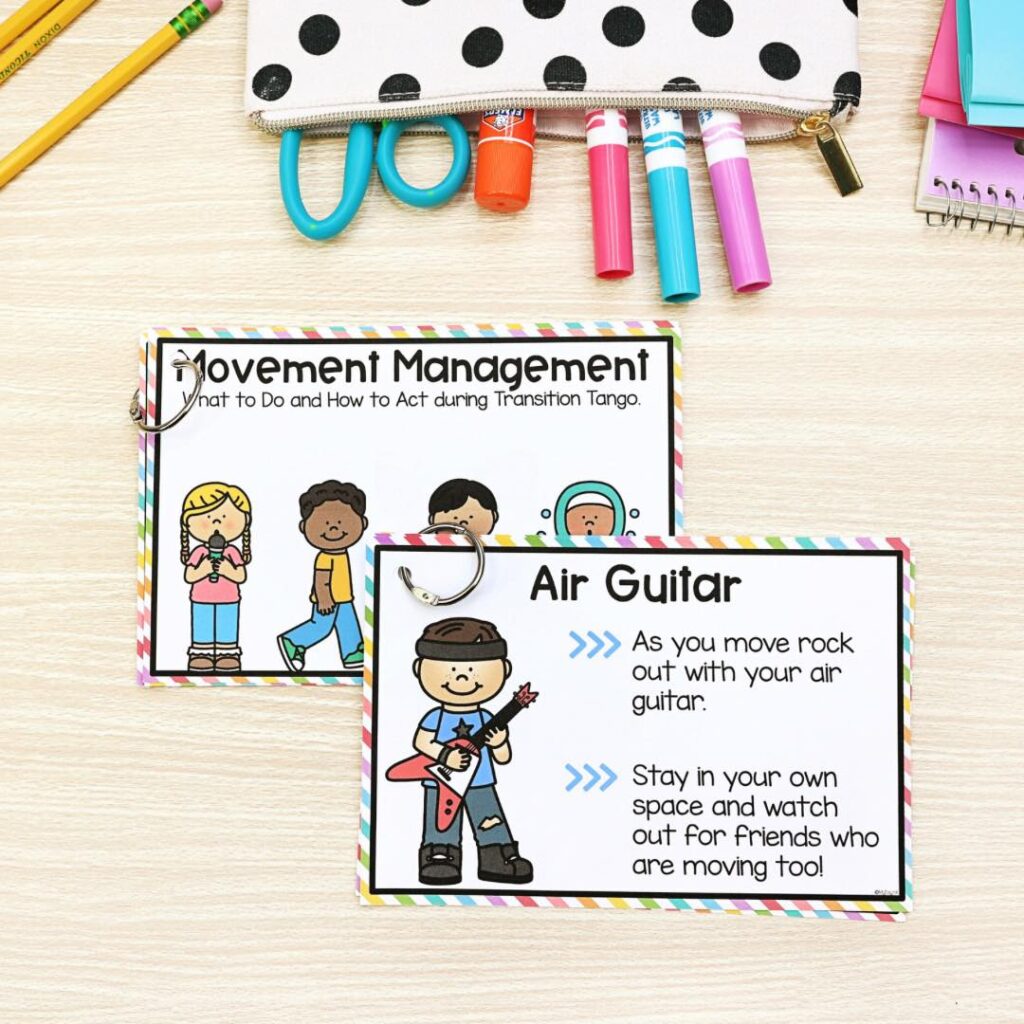
Locker/Coat Transition
- Assign clear locations for belongings
- Use a “two at a time” system if needed
- Practice expectations explicitly (yes, even in May)
Line-Up Routine
- Teach a consistent order (by table, color, or number)
- Use a visual line-up chart
- Reinforce quiet waiting expectations
Dismissal Routine
- Review expectations before the final transition
- Use calm, structured exit routines
- Assign jobs (door holder, line leader, etc.)
These small systems reduce chaos during the most high-energy parts of the day.
Quick-Start Checklist for May
If your transitions feel a little chaotic right now, start here:
- Post or review your daily visual schedule
- Introduce or reset timers and countdown cues
- Re-teach one key transition per day (don’t overwhelm yourself)
- Strengthen lineup and dismissal routines
- Reduce verbal directions and increase visual supports
- Add structure to high-energy transition moments
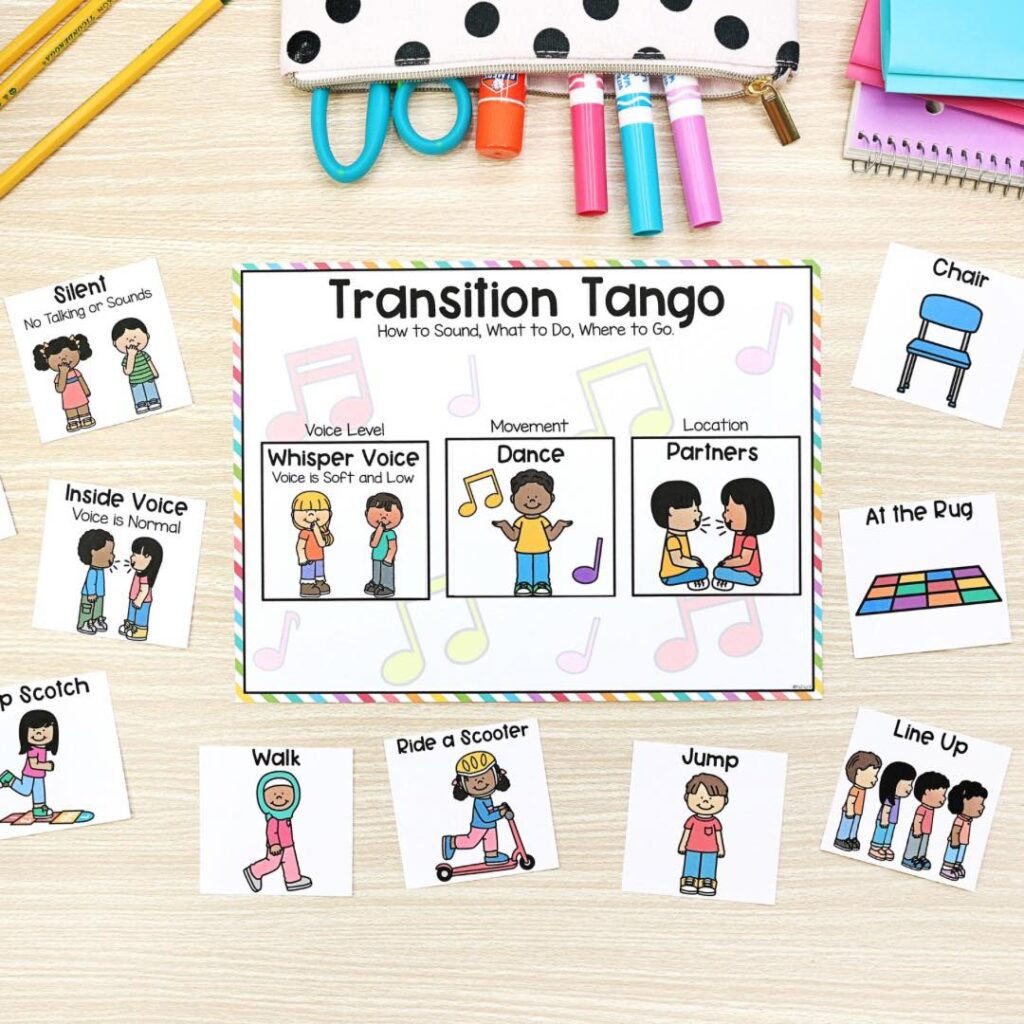
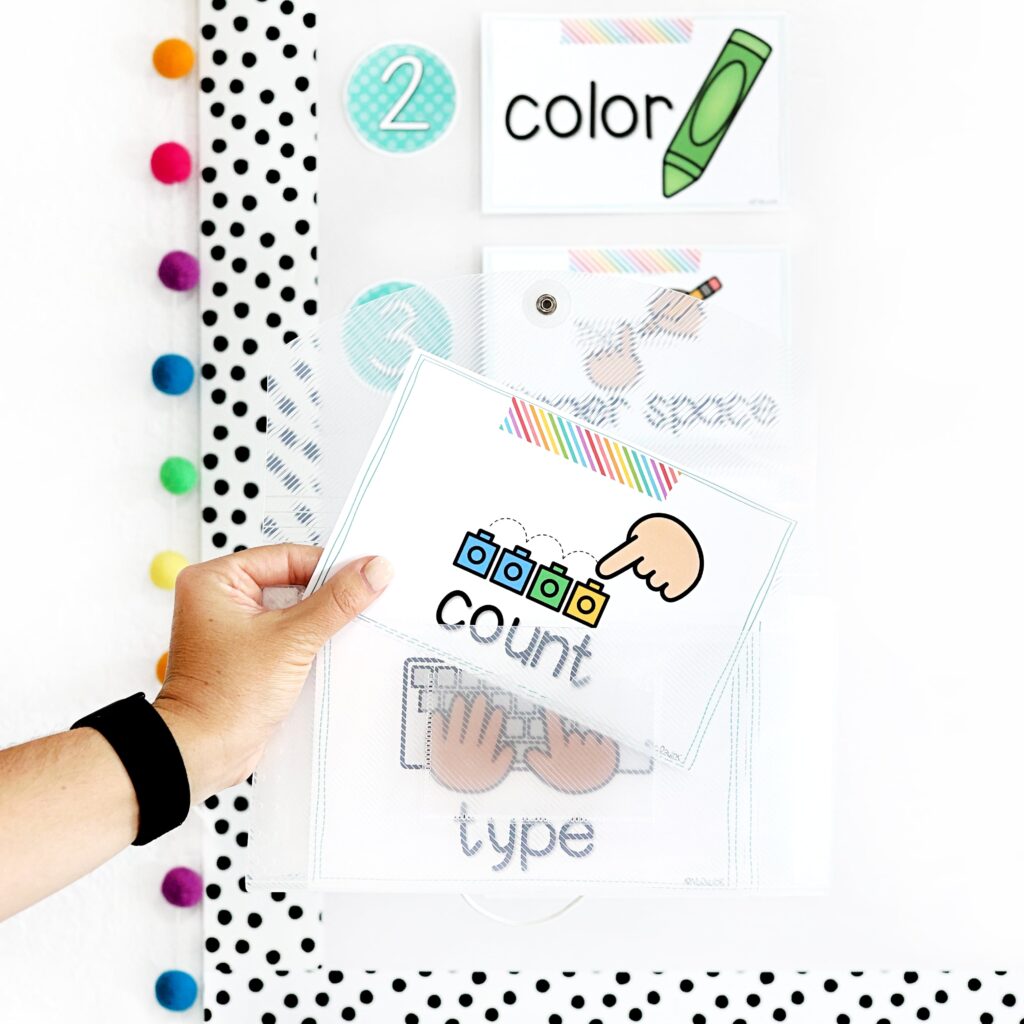
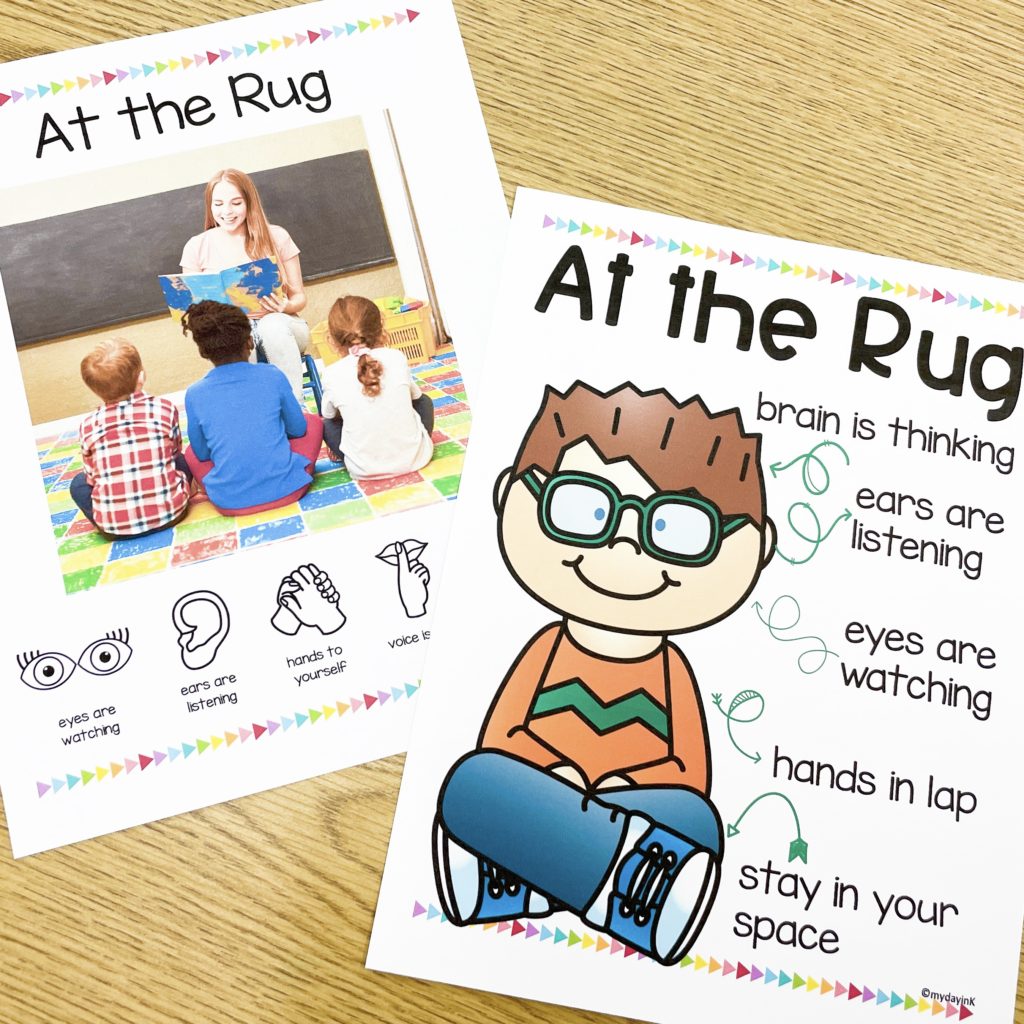
May doesn’t require new systems; it requires clearer versions of the ones you already have. When Kindergarten transitions, May routines are consistent and visual, and everything else in your day starts to feel a whole lot smoother.